


But fake records, an imperfect vaccine and missteps aided its comeback
 KRC TIMES Desk
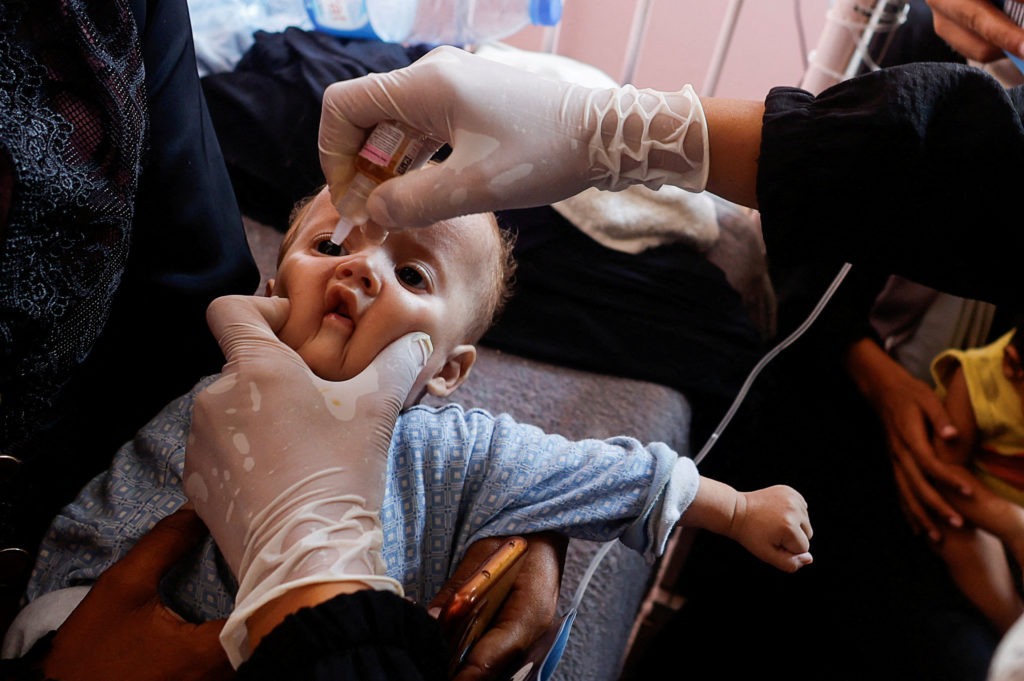
KARACHI : For the past decade, Sughra Ayaz has traveled door to door in southeastern Pakistan, pleading with parents to allow children to be vaccinated against polio as part of a global campaign to wipe out the paralytic disease. She hears their demands and fears. Some are practical families need basics like food and water more than vaccines. Others are simply unfounded the oral doses are meant to sterilize their kids.
Amid rampant misinformation and immense pressure for the campaign to succeed, Ayaz said, some managers have instructed workers to falsely mark children as immunized. And the vaccines, which must be kept cold, aren’t always stored correctly, she added.
“In many places, our work is not done with honesty,” Ayaz said. The World Health Organization and partners embarked on their polio campaign in 1988 with the bold goal of eradication a feat seen only once for human diseases, with smallpox in 1980.
They came close several times, including in 2021, when just five cases of the natural virus were reported in Pakistanand Afghanistan. But since then, cases rebounded, hitting 99 last year, and officials have missed at least six self-imposed eradication deadlines.
Afghanistan and Pakistan remain the only countries where transmission of polio which is highly infectious, affects mainly children under 5, and can cause irreversible paralysis within hours has never been interrupted.
The worldwide campaign has focused most of its attention and funding there for the past decade. But in its quest to eliminate the disease, the Global Polio Eradication Initiative has been derailed by mismanagement and what insiders describe as blind allegiance to an outdated strategy and a problematic oral vaccine, according to workers, polio experts and internal materials obtained by The Associated Press.
Officials have falsified vaccination records, selected unqualified people to dole out drops, failed to send out teams during mass campaigns, and dismissed concerns about the oral vaccinesparking outbreaks, according to documents shared with AP by staffers from GPEI one of the largest and most expensive public health campaigns in history, with over $20 billion spent and nearly every country in the world involved.
In Afghanistan and Pakistan which share a border, harbor widespread mistrust of vaccines, and have weakened healthcare systems and infrastructure local staffers like Ayaz have for years flagged problems to senior managers. But those issues, along with concerns by staffers and outside health officials, have long gone unaddressed, insiders say.
Officials tout the successes 3 billion children vaccinated, an estimated 20 million people who would have been paralyzed spared while acknowledging challenges in Pakistan and Afghanistan. Remote villages are hard to reach, some cultural and religious authorities instruct against vaccination, and hundreds of polio workers and security staff have been killed because of their alignment with a Western-led initiative.
Dr. Jamal Ahmed, WHO’s polio director, defended progress in those two countries, citing workers’ tailored response in resistant pockets. “There’s so many children being protected today because of the work that was done over the past 40 years,” he said. “Let’s not overdramatize the challenges, because that leads to children getting paralyzed.”
Ahmed said he believes authorities will end the spread of polio in the next 12 to 18 months. Its latest goal for eradication is 2029. The campaign says about 45 million children in Pakistan and 11 million in Afghanistan must be vaccinated this year. Children typically need four doses of two drops each to be considered fully immunized.
Dr. Zulfiqar Bhutta, who has served on advisory groups for WHO, the Gates Foundation and others, said campaign officials should listen to the criticism of its tactics. “Continuing blindly with the same strategies that we have relied on since eradication began is unlikely to lead to a different result,” he said.
Documents show problems on polio vaccination teams
Internal WHO reports reviewing vaccination drives in Afghanistan and Pakistan over the past decade – given to AP by current and former staffers – show that as early as 2017, local workers were alerting significant problems to senior managers.

Know More – Apply Here

