

If you like stories that keep you guessing while digging into what drives people to darkness, this is a genre worth diving into
 KRC TIMES Desk
Rajkummar
Thriller K-dramas have a particular pull — they’re not just about shocking twists or grisly crimes. What makes them stand out is how they combine tension with emotional and moral depth. If you like stories that keep you guessing while digging into what drives people to darkness, this is a genre worth diving into.
A great K-drama thriller doesn’t rush. It knows how to build tension slowly, letting clues drip until the payoff lands with force. The best ones keep you leaning forward — not because something explodes, but because something might. They understand that real suspense often comes from what’s left unsaid, a silence stretched just long enough, or a shadow that lingers too long in the corner of a frame.
Character always matters more than gimmick. You can have serial killers, conspiracies, or supernatural forces, but what keeps you hooked is the humanity underneath. Detectives with doubts, victims fighting their own fears, perpetrators trying to justify what they’ve done. The tension isn’t just external; it’s inside the characters too.
Moral ambiguity is another hallmark. These stories live in the grey zones — where heroes question their motives and villains reveal flashes of empathy. The question isn’t simply who’s right or wrong, but what justice even means, and who has the right to claim it.

Atmosphere plays a huge part. Lighting, pacing, sound — the way a single note holds or a camera lingers can create more dread than a chase scene ever could. The finest thrillers pay attention to micro-moments: a suspicious glance, a half-truth, a breath held too long.
And then there’s the social layer. The most memorable K-dramas use thrill to mirror deeper realities: corruption, class divide, trauma, systemic injustice. That’s why they feel urgent. They’re not only about survival — they’re about the cost of living in a world that’s quietly broken.
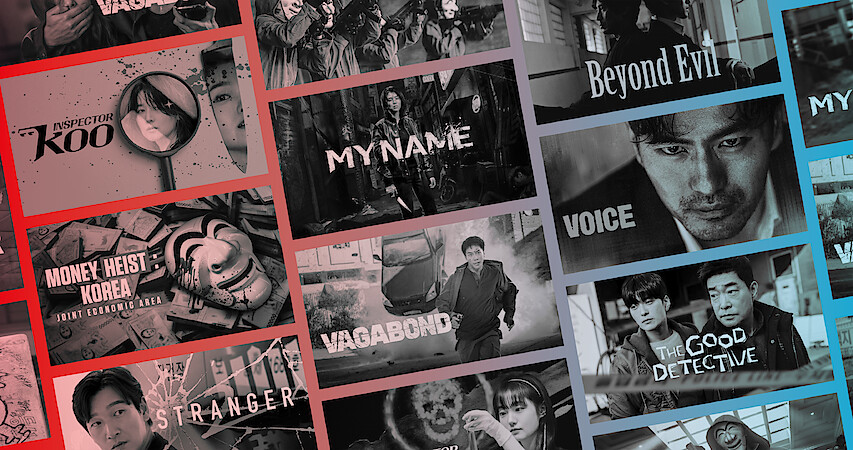
Several shows capture this balance perfectly. Stranger (2017–2020) is a cerebral masterpiece about a prosecutor who can’t express emotion, navigating a system rotted with corruption. It’s deliberate, intelligent, and deeply rewarding.
Beyond Evil (2021) strips away glamour for psychological grit — two detectives in a small town chasing a serial killer, both confronting their own demons as much as the case itself. Signal (2016–present) plays with time, linking detectives across decades through an old police radio. It’s haunting and emotionally charged, blending mystery with regret and redemption.
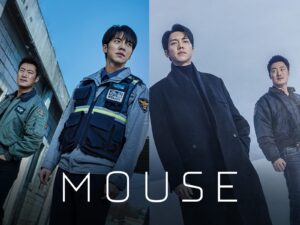
If you prefer something darker and more provocative, Mouse (2021) asks whether a psychopath can be identified before he kills — and whether science can ever tame human nature. My Name (2021) shifts gears with revenge and undercover intrigue, an action-heavy story about loss, identity, and survival. For spectacle and conspiracy, Vagabond delivers breakneck pacing and high-stakes politics. And Kingdom turns the historical zombie trope into something layered and political — a battle against both the undead and a corrupt elite.
What’s exciting about K-drama thrillers today is how they keep evolving. Genre boundaries blur; horror, fantasy, and mystery now coexist effortlessly. Characters are more complex, less moralistic, more human. The writing feels sharper, the production richer, and the tension more psychological than ever.
These stories don’t just thrill you — they unsettle you, make you question motives, morality, and sometimes, your own assumptions. That’s why K-drama thrillers aren’t just good entertainment. They’re reflections of a society wrestling with fear, justice, and conscience — and doing it with unforgettable style.
Promotional | North East Integration Rally