


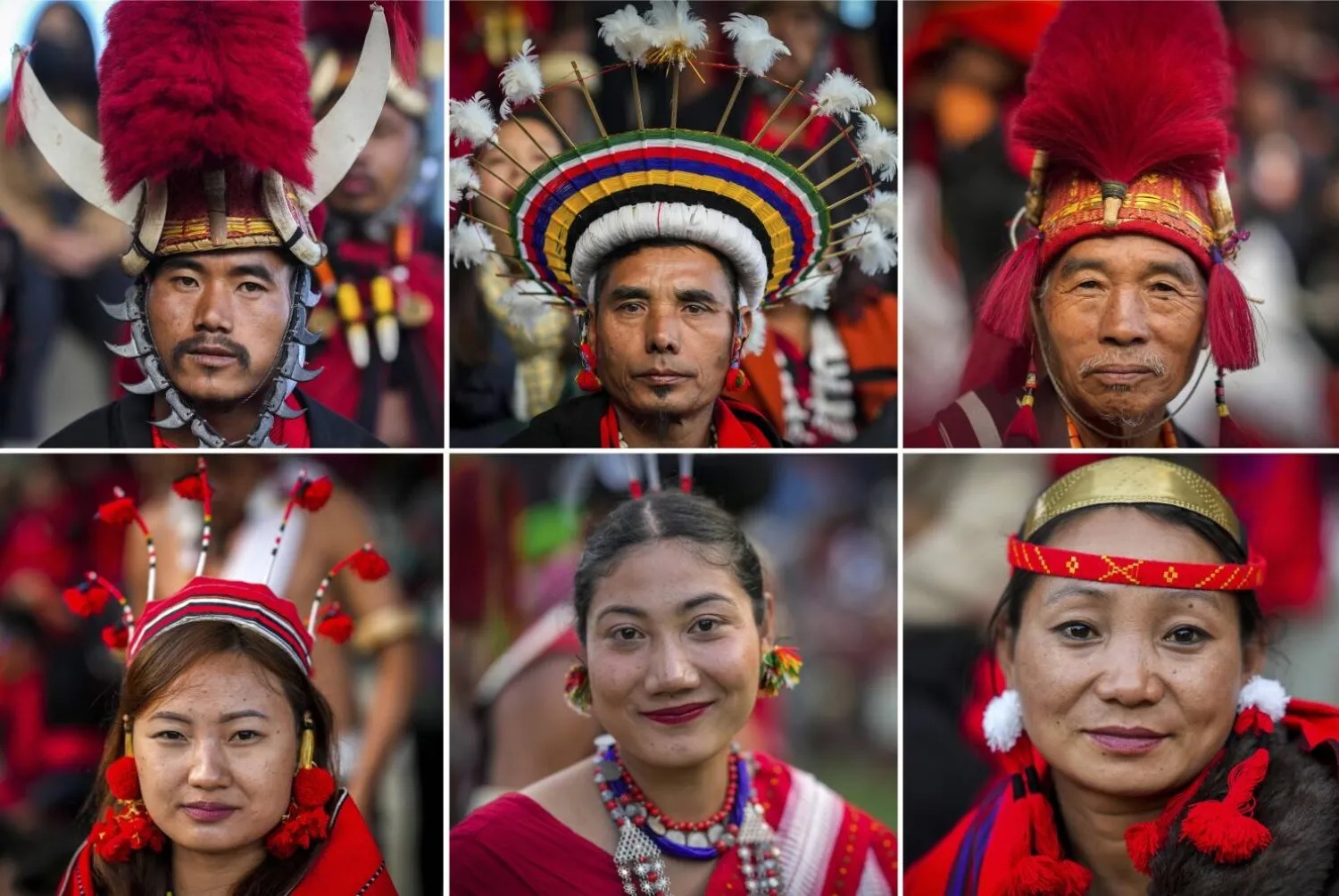
Nagaland’s culture is shaped by 16 major tribes and numerous sub-tribes, each maintaining distinct customs, attire, dialects, and social norms
 KRC TIMES Desk
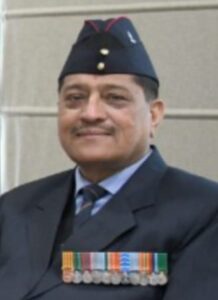
Col (Dr.) Ashwani Kumar, M-in-D, VSM (Retd).
Nagaland occupies a unique civilisational and strategic space in India’s eastern frontier. It is a land where tribal memory, Christian faith, and modern aspirations coexist not in conflict, but in careful balance. Understanding Nagaland requires moving beyond surface narratives into its lived culture, demographic realities, developmental role, and historical continuity.
(i) Cultural Foundations: Identity, Customs, and Faith.
Nagaland’s culture is shaped by 16 major tribes and numerous sub-tribes, each maintaining distinct customs, attire, dialects, and social norms. Despite this diversity, common values bind them together:
- Community over individualism.
- Respect for elders and tradition.
- Sacred hospitality.
(ii) Customary Practices and Social Ethics.
Customary laws continue to regulate village life. These traditions govern Conflict resolution, Land ownership, Marriage and social conduct, and Hospitality is sacred. Visitors are received with dignity, often culminating in the ceremonial presentation of a traditional Naga shawl, a symbol of honour, acceptance, and goodwill (the author, too, was honoured many times during his stay there in the early 1990s
(iii) The Church as a Social and Cultural Institution.
Christianity in Nagaland is not merely a religious practice, it is a social institution and a moral anchor.
Role of the Church
Acts as a centre for community gathering, supports education and healthcare initiatives, and promotes discipline, sobriety, and social harmony. In remote villages, churches often function as the only structured institution, uniting scattered habitations.

Church Customs and Visitor Traditions.
Visitors are commonly invited to Sunday prayer services, where collective hymns resonate across hills and valleys. It is customary for the pastor or priest to offer prayers for visiting guests, particularly uniformed personnel.
In many villages, this is followed by the presentation of a ceremonial shawl, a deeply symbolic act that blends faith, tradition, and respect. Such gestures reflect Nagaland’s unique synthesis of tribal honour and Christian humility.
(iv) Demography and Settlement Patterns:-
Nagaland’s population is predominantly tribal, including communities such as:
- Angami
- Ao
- Sumi
- Konyak
- Lotha
- Chang
- Chakhesang.
English serves as the official language, ensuring administrative cohesion, while indigenous languages thrive in daily life. Urban centres like Dimapur, Kohima, Mokokchung, and Tuensang are expanding, yet the soul of Nagaland remains deeply rural rooted in village republics and customary governance.
(v) Field Experience and Living History: Author’s Note, as a Curative Historian.
The author served extensively in Nagaland in 1992, moving across the length and breadth of the state during a formative period. Operational and field movement covered as under:-
- Dimapur
- Kohima
- Chakabama
- Jessami
- Phek
- several small, remote, and scarcely documented villages
These journeys, often on foot through difficult terrain, provided exposure not only to geography but to living history. Customs were not observed as museum artefacts but experienced as daily life, shared meals, village prayers, and community acceptance.

As a curative historian, the author views history not as a static record but as a healing narrative, one that corrects misperceptions, restores dignity to local cultures, and bridges the gap between the past and the present. Nagaland, in this sense, stands as a lesson in how tradition can stabilise society rather than obstruct progress.
(vi) Nagaland’s Role in the Development of the North East.
- Nagaland is a major contributor to the North East’s stability, cultural continuity, and human resource development.
- Strategic and Developmental Contributions.
- Cultural Stabiliser.
- Nagaland’s strong social institutions, village councils and churches have helped maintain internal cohesion, serving as a model for conflict resolution and community-led governance.
- Human Capital Contribution,
The disciplined, educated youth of Nagaland contribute significantly to:
- Armed forces.
- Civil services
- Education and healthcare sectors.
- Strategic Depth
- Located along sensitive eastern frontiers.
- Nagaland provides strategic depth and operational familiarity critical to national security.
Bridge Between Tradition and Modern Governance.
Nagaland demonstrates how indigenous systems can coexist with constitutional frameworks, offering lessons for other North Eastern states.
(vii) Contemporary Development Trends,
- Improved road and digital connectivity in remote interiors.
- Growth of Dimapur as a commercial and logistics hub.
- Expansion of eco-tourism and cultural tourism.
- Increasing participation of youth in startups and entrepreneurship
- Development here is cautious and culturally aware, prioritising sustainability over speed.
- North East Integration Rally (NEIR): Significance for Nagaland.
For Nagaland, the North East Integration Rally (NEIR) will emerge as a meaningful platform for strengthening national integration while preserving local identity. NEIR provides an opportunity for the people of Nagaland, particularly the youth, to engage directly with the rest of the country, dispelling stereotypes and highlighting the state’s cultural richness, discipline, and social harmony.
By showcasing Nagaland’s traditions, church-centred community life, and evolving development landscape, NEIR enhances the exposure, confidence, and participation of local communities in the national mainstream. It also fosters trust between civil society and institutions, reinforcing the message that integration does not require cultural dilution.
In the coming years, NEIR is expected to contribute to greater tourism interest, educational exchange, and youth motivation, positioning Nagaland not as a remote frontier but as a confident cultural and strategic stakeholder in India’s North Eastern future.
To conclude, Nagaland acts as a silent architect of the North East.Nagaland’s contribution to India and the North East is profound yet understated. Its people have preserved identity without isolation, adopted faith without erasing tradition, and embraced development without surrendering cultural roots.
For India’s North East to move forward as a cohesive and confident region, Nagaland’s example as a cultural anchor, strategic contributor, and moral society remains indispensable.
About the Author.
The author is a decorated retired Army officer with extensive operational and field experience in Nagaland and other North Eastern states, having served in the region during the early 1990s. A curative historian, his firsthand exposure to the terrain, people, and traditions informs his perspective on culture, conflict resolution, and sustainable development.
Through this article, he presents a forward-looking vision for Nagaland, advocating the integration of its youth into the national mainstream while preserving and sharing its rich cultural heritage. His work seeks to heal historical narratives by blending lived experience with cultural understanding.