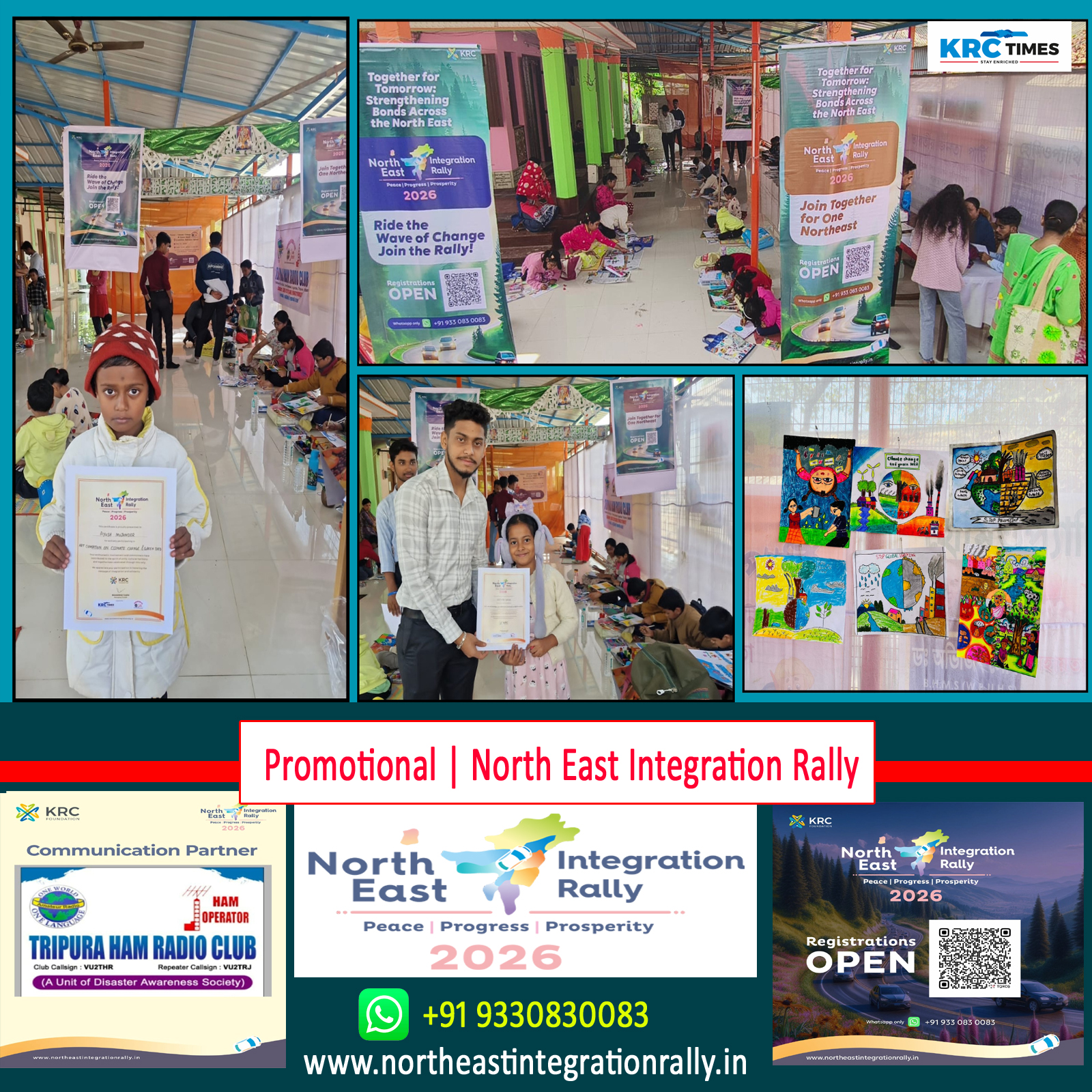
The Living Temple Heritage of Northeast
 North East Integration Rally
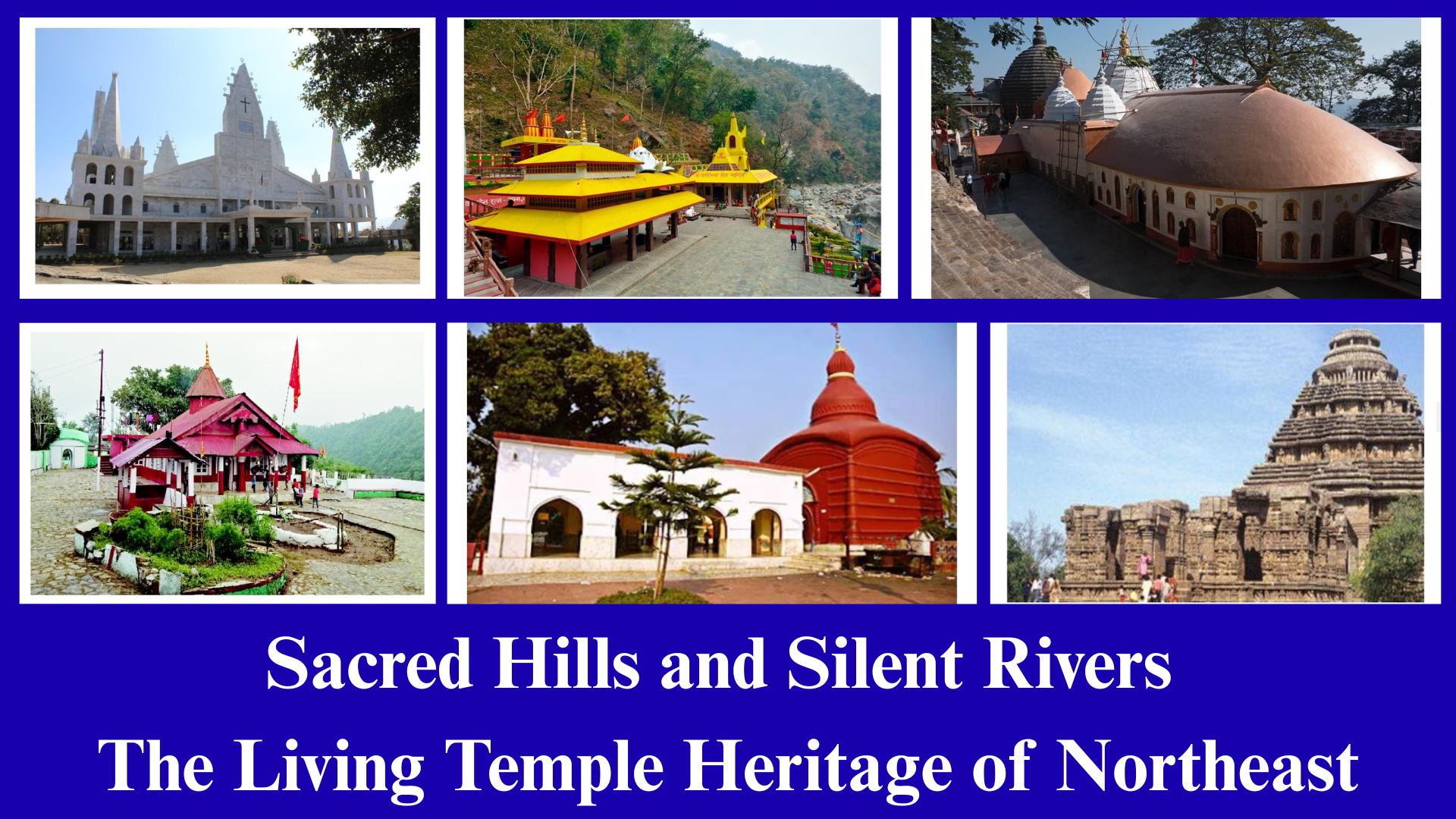
Northeast India is a land of deep faith and old stories. Hills, rivers, forests, and temples live together here. The region may look quiet from far away, but its spiritual life is strong and ancient. Many powerful temples stand across the states. Each one tells a story of belief, culture, and time.
One of the most famous temples in Northeast is the Kamakhya Temple in Assam. It sits on the Nilachal Hill in Guwahati. This temple is dedicated to Goddess Kamakhya, a form of Shakti. It is one of the 51 Shakti Peethas of India. Kamakhya is known as a major centre of Tantric worship. Devotees believe the goddess represents creation and feminine power.
Every year, the Ambubachi Mela is held here. It marks the annual cycle of the goddess. During this time, the temple remains closed for a few days.
After it opens, lakhs of devotees gather from across the country. Sadhus, tantriks, and common people come together. The atmosphere becomes intense and spiritual. Kamakhya is not just a temple. It is an experience.
Also in Guwahati stands the Umananda Temple. It is dedicated to Lord Shiva. The temple is located on Peacock Island in the middle of the Brahmaputra River. One has to take a boat to reach it. This makes the visit calm and special.
According to belief, Lord Shiva once lived here. The temple is small, but its location gives it great charm. From the island, the river looks endless and peaceful.
Another important site in Guwahati is the Navagraha Temple. This temple is linked to astrology. It is dedicated to the nine celestial bodies, known as the Navagrahas.
Many people visit this temple to seek relief from planetary troubles. The temple shows how faith and astrology mix in daily life. It also shows the scientific thinking of ancient times.
In Upper Assam, the Sivasagar Sivadol stands tall. It is one of the tallest Shiva temples in India. Built during the Ahom period, it reflects royal devotion and strong architecture.
The temple complex also includes other shrines. The Sivadol stands near a large tank, adding to its beauty. During Shivratri, thousands of devotees gather here.
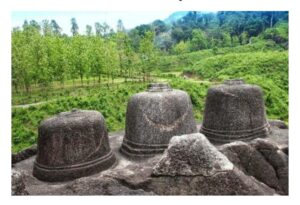
Tripura is home to one of the most mysterious temple sites in India. The Unakoti Hill Temples are carved on rocky hillsides. Huge faces of gods and goddesses emerge from stone.
Lord Shiva appears in massive form, along with many other deities. Historians and devotees still debate how old these carvings are. Unakoti is believed to be linked to legends of one crore gods. Today, it is seen as a potential UNESCO World Heritage site.
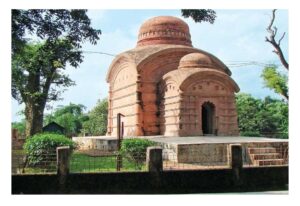
Tripura also has the Tripura Sundari Temple at Udaipur. It is dedicated to Goddess Tripura Sundari, another form of Shakti. This temple is also counted among the Shakti Peethas. The structure is simple, yet powerful. Devotees believe the goddess fulfills wishes. The temple becomes crowded during festivals like Diwali.
In Arunachal Pradesh, the Akashiganga Temple holds deep mythological value. It is believed that the head of Goddess Sati fell here. The site is sacred and quiet. Water flows nearby, adding to the sense of purity. The temple shows how ancient myths connect even the farthest regions to the wider Indian spiritual map.
Manipur is known for the Sri Govindjee Temple in Imphal. It is a major Vaishnavite centre. The temple is dedicated to Lord Krishna and Radha. Dance and music play a big role in worship here. The Ras Leela, performed during festivals, is famous. The temple reflects devotion mixed with art.
In Sikkim, the Kirateshwar Mahadev Temple stands as a blend of old and new styles. Dedicated to Lord Shiva, it carries stories from the Mahabharata. It is believed that Arjuna met Shiva here. The temple architecture includes traditional designs and modern touches. Carvings tell mythological stories in stone.
Together, these temples show the soul of Northeast India. They reflect diversity in worship, language, and belief. From Shakti to Shiva, from astrology to devotion, the region offers a rich spiritual journey. These temples are not only places of prayer. They are living symbols of history, culture, and faith.
Promotional | North East Integration Rally