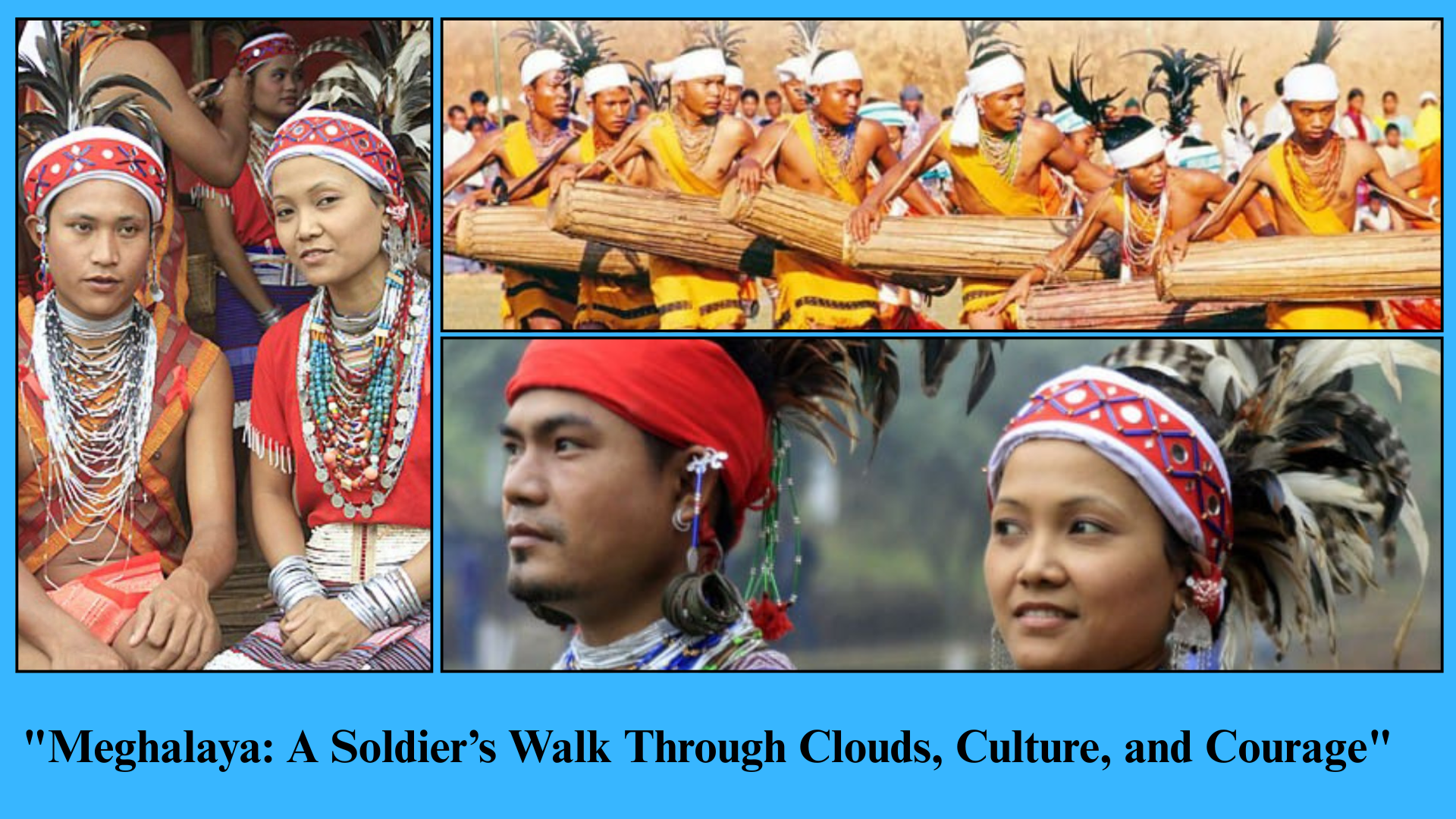


The Northeast has always given more than it has received- It stands firm, creative, and proud
 North East Integration Rally
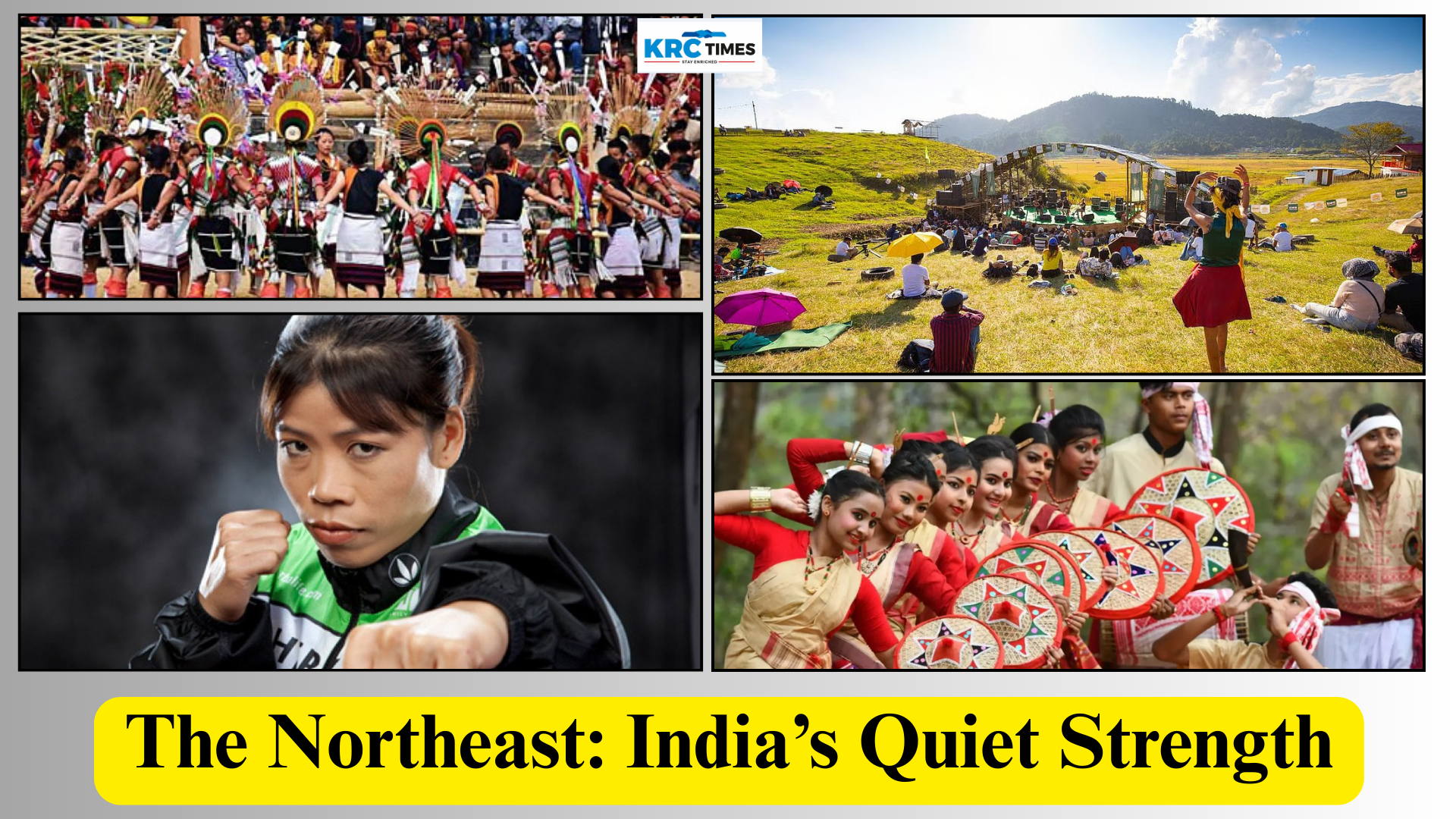
Rajkummar
When we speak of India, we often look west and north. We speak of Delhi, Mumbai, Gujarat, Punjab. But in the far corner of the map lies a region that has shaped the country in ways both loud and silent. The Northeast is not a margin. It is a living force. Eight states. Hundreds of tribes. Dozens of languages. One deep and steady pulse.
This region has given India culture, courage, music, sport, food, ideas, and even its borders. Yet its story is still told in parts. It deserves the whole frame.
A Cultural Treasure House
The Northeast keeps India’s cultural map alive. Assam’s Bihu is not just a festival. It is rhythm, farming, youth, and hope woven together. Nagaland’s Hornbill Festival brings tribes together in a rare show of unity. In Meghalaya, Wangala celebrates harvest with drums that echo across hills. Arunachal’s Ziro Festival shows how old land and new music can share the same sky.
Handloom from Manipur and Mizoram carries stories in this thread. Bamboo craft from Tripura and Nagaland is both art and survival skill. The region does not preserve culture in museums. It lives it daily.
Even food is identity here. Fermented bamboo shoot. Smoked pork. Axone. Black rice. These are not trends. They are history on a plate.
Guardians of the Border
The Northeast holds India’s eastern gate. Arunachal Pradesh shares a long border with China. Manipur and Mizoram touch Myanmar. Nagaland also shares this fragile edge. This geography is not simple. It demands alertness. It demands trust.
The people of these states live close to international borders. They carry the weight of national security in daily life. The Assam Rifles, one of India’s oldest paramilitary forces, has deep roots here. So do many regiments of the Indian Army. Tawang is not just a monastery town. It is a reminder that culture and strategy often stand side by side.
Sporting Pride of the Nation
For years, India searched for Olympic medals. The Northeast quietly trained champions. Mary Kom from Manipur became a global boxing icon. Mirabai Chanu lifted not just weights but the country’s pride. Lovlina Borgohain brought Assam into Olympic history. Baichung Bhutia gave Indian football a face the world could remember.

What explains this success? Discipline. Community support. A strong sporting culture. In many hill towns, sport is not a hobby. It is a path. The region has shown that talent does not depend on metro cities. It grows where there is hunger and grit.
Music, Film, and Creative Fire
If you listen closely, the Northeast has its own soundtrack. From Zubeen Garg’s voice in Assam to rock bands in Imphal and Kohima, the region has shaped India’s indie music space. English rock found an early home here. Choir culture is strong. Guitars are common in small towns.
Assamese cinema has produced bold stories. Filmmakers from the region often explore conflict, memory, and identity. Their films travel to global festivals. The Northeast speaks softly, but it creates fiercely.
Tea, Oil, and Economic Backbone
India’s morning tea often begins in Assam.
Assam is one of the world’s largest tea producers. Its plantations support millions of livelihoods. Digboi in Assam houses one of the oldest oil refineries in Asia. The region has coal, natural gas, limestone, and rich forests.
Bamboo from the Northeast feeds craft, paper, and building industries. Loktak Lake in Manipur sustains fishing communities and is an ecological wonder. The region is not just scenic. It is productive.
Ecology and Climate Shield
The Northeast is one of the most biodiverse zones in the world. Kaziranga protects the one horned rhinoceros. The forests of Arunachal host rare orchids and birds. Meghalaya’s living root bridges show how humans and nature can build together.
In a time of climate crisis, this region is a green shield. Its rivers feed the Brahmaputra, one of India’s great lifelines. Protecting the Northeast is not charity. It is survival.
A Laboratory of Diversity
More than 200 tribes live across these eight states. Languages change every few hills. Faiths mix. Customs vary. Yet daily life moves with balance.
India often speaks of unity in diversity. The Northeast practices it.
Yes, the region has seen conflict. Insurgency, alienation, slow development. But it has also shown resilience. Peace talks. Student movements. Women led markets like Ima Keithel in Manipur. Civil society groups that refuse to give up. The Northeast teaches India patience. It teaches listening.
The Road Ahead
Today roads are expanding. Rail lines are pushing forward. Airports are growing. Digital networks are spreading. The Act East policy sees the region as India’s bridge to Southeast Asia.
But development must be careful. It must respect land and identity. The strength of the Northeast lies in its balance between modern dreams and old roots. India’s story is incomplete without this region. It is not a frontier. It is a foundation.
The hills may seem distant from Delhi. But their voice is clear. The Northeast has always given more than it has received. It stands firm, creative, and proud. And in its quiet way, it keeps shaping the idea of India.