

Mandatory Registration of Live-in Relationships
 KRC TIMES Assam Bureau

Guwahati : The Assam Legislative Assembly on Monday introduced the “Uniform Civil Code, Assam, Bill, 2026,” proposing a common civil framework governing marriage, divorce, succession and live-in relationships across the state, while exempting Scheduled Tribes to preserve constitutional safeguards and customary practices.
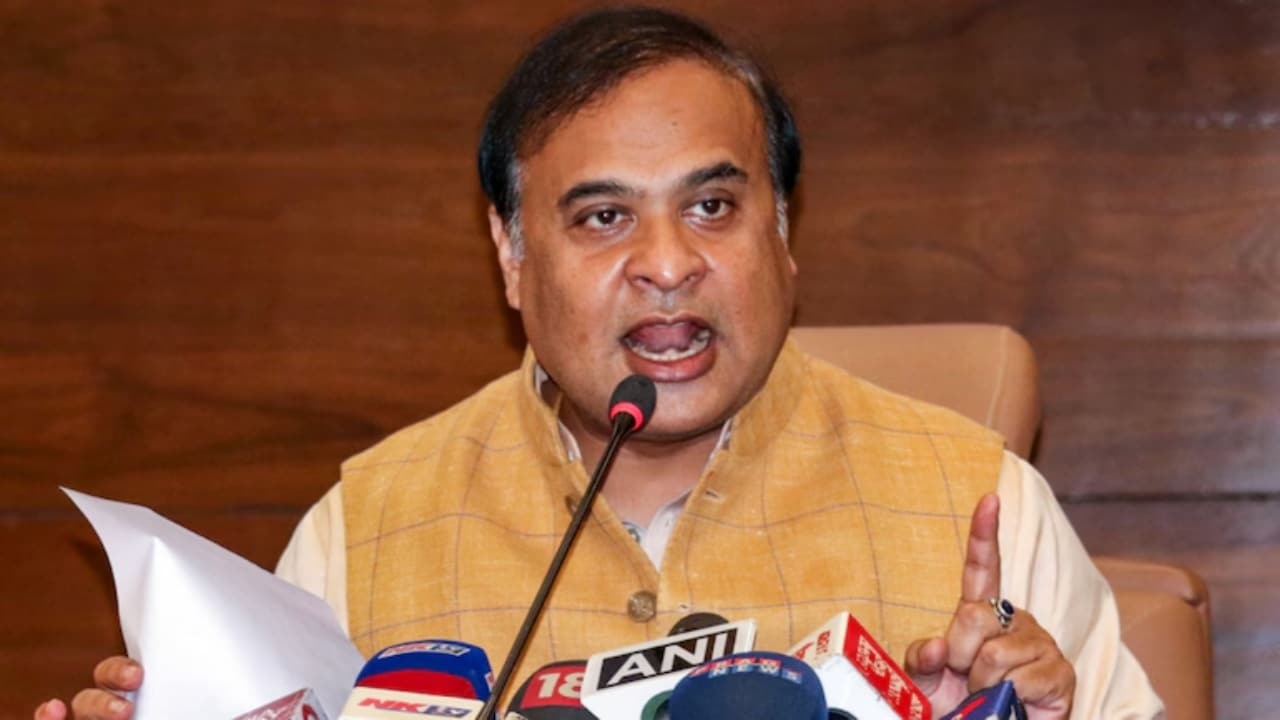
The Bill was introduced on the third day of the ongoing 16th session of the Assembly by Parliamentary Affairs Minister Atul Bora on behalf of Chief Minister Himanta Biswa Sarma.
The proposed legislation seeks to replace religion-based personal laws with a unified civil framework aimed at ensuring legal uniformity, gender justice and equality before the law, while allowing marriages to continue under existing religious customs and traditional ceremonies.
Uniform Marriage Rules and Compulsory Registration
Under the proposed law, monogamy would become mandatory, while the legal age of marriage would remain standardised at 21 years for men and 18 years for women.
The Bill permits marriages to be solemnised through recognised religious and customary ceremonies, including Vedic Bibah, Ahom Chaklong, Saptapadi, Ashirvad, Nikah, Holy Union and Anand Karaj.
To ensure transparency and legal accountability, registration of all marriages and divorces would be compulsory. Couples would be required to submit a marriage memorandum to the Sub-Registrar within 60 days of solemnisation.

The legislation also introduces uniform grounds for divorce, including cruelty, desertion and mutual consent. It further provides that custody of children below five years of age would ordinarily remain with the mother during early childhood.
Equal Succession Rights Proposed
The Bill establishes a uniform and gender-neutral order of succession for intestate property among Class-1 heirs, including spouses, children and parents of the deceased.
It also grants every adult of sound mind the right to execute a written and witnessed Will for testamentary succession.
Live-in Relationships Brought Under Legal Framework
One of the key provisions of the Bill is the regulation of live-in relationships through compulsory registration within one month of commencement of such relationships.
Children born out of live-in relationships would be recognised as legitimate under the proposed law. The legislation also allows deserted live-in partners to seek financial maintenance through courts.
According to the state government, the provisions are intended to provide legal protection to vulnerable individuals, particularly women, while ensuring accountability in evolving family structures.
Penal Provisions for Violations
The Bill proposes stringent penalties for violations relating to marriage, divorce and live-in relationships.
Bigamy and polygamy would attract imprisonment of up to seven years under Section 82 of the Bharatiya Nyaya Sanhita, 2023.
Child marriage and marriage without valid consent would invite punishment under the Prohibition of Child Marriage Act, 2006, including imprisonment of up to two years, fines, or both.
Fraudulent marriages involving force, coercion or concealment of facts could attract imprisonment of up to seven years along with fines.
Illegal dissolution of marriage or violation of lawful divorce procedures would be punishable with imprisonment of up to three years and fines. Forcing a divorced individual to fulfil unlawful conditions before remarriage could attract imprisonment of up to three years and a penalty of Rs 1 lakh.
Marriage within prohibited relationships, unless permitted by valid customs, would carry imprisonment of up to six months and a fine of up to Rs 50,000.
Penalties for Non-Registration
Failure to register marriages or divorces within 60 days would attract a penalty of Rs 10,000 under the proposed law.
Submission of forged or fabricated documents during registration could lead to imprisonment of up to three months, fines of up to Rs 25,000, or both.
Similarly, failure to register a live-in relationship within one month would attract imprisonment of up to three months or a fine of Rs 10,000. Furnishing false information or concealing material facts in declarations related to live-in relationships could invite imprisonment of up to three months and fines up to Rs 25,000.
Muslim Marriage Registration Law to be Repealed
The proposed legislation also seeks repeal of the Assam Compulsory Registration of Muslim Marriages and Divorces Act, 2024.
However, the Bill contains a savings clause ensuring that polygamous marriages solemnised before the enforcement of the proposed UCC would remain legally valid and protected.
The Assam government said the proposed codification aims to balance legal uniformity with cultural sensitivities while strengthening transparency, accountability and equal protection under civil law in the state. Government to take effective measures to prevent further deterioration of the situation.
Stressing that the rally reflected the people’s commitment to peace, he appealed to Kuki groups to release the hostages and cautioned against interpreting the restraint shown by the protesters as weakness.