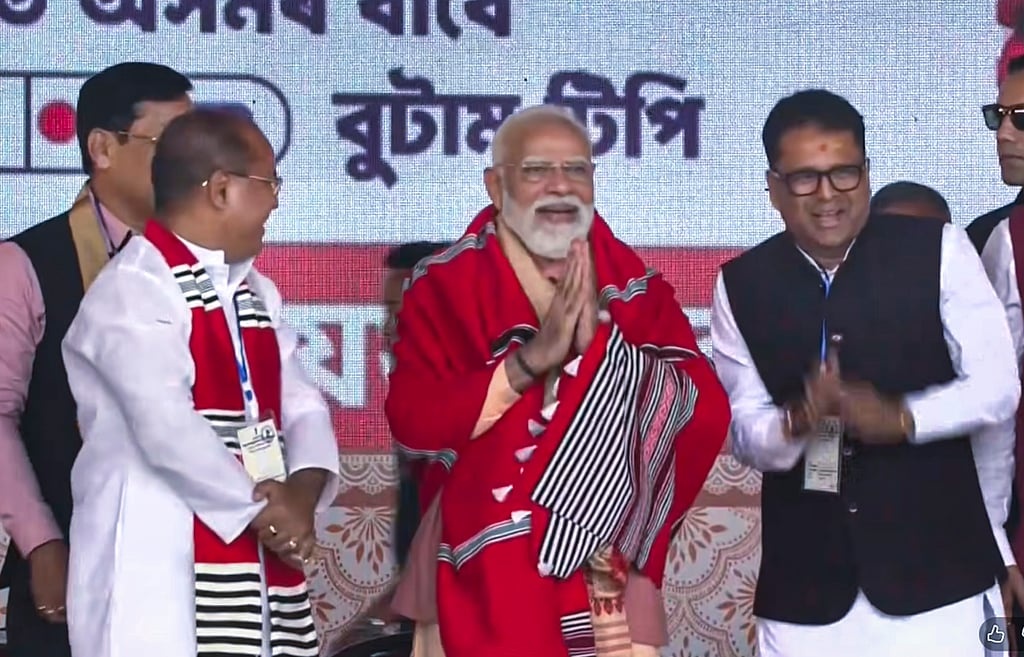


The government is now in the process of forwarding the report and its recommendations to the Centre for further consideration
 KRC TIMES Assam Bureau
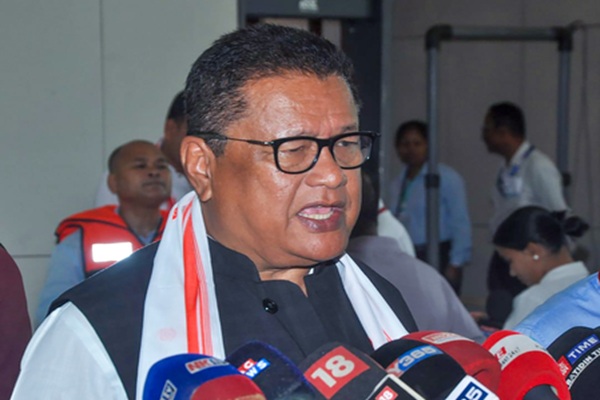
Guwahati: The Assam government on Thursday informed the Legislative Assembly that there is no definite timeline for granting Scheduled Tribe (ST) status to six indigenous communities, as the long-pending proposal remains under consideration of the Central Government.
Replying to a question raised by MLA Chakradhar Gogoi, Tribal Affairs Minister Ranoj Pegu said the authority to grant Scheduled Tribe status lies solely with the Centre and Parliament, making it impossible for the state government to specify when the process will be completed.
“The matter is under the consideration of the Central Government, and the state government cannot indicate a definite timeframe for its completion,” Pegu told the House.
The proposal concerns the long-standing demand for ST status by six communities in Assam – the Tai Ahom, Chutia, Moran, Motok, Koch-Rajbongshi and Tea Tribes/Adivasi communities. The issue has remained a major socio-political demand for decades, with successive governments assuring efforts to secure constitutional recognition for the groups.
Pegu informed the Assembly that the Central Government had sought a detailed report and recommendations from Assam to ensure that the inclusion of the six communities in the Scheduled Tribe list does not adversely affect the constitutional safeguards, reservation benefits and other protections currently available to existing Scheduled Tribes in the state.

Send your resume:
biswa@jigyasu.co.in
krcfoundation@gmail.com
To address these concerns, the Assam government constituted a Group of Ministers (GoM) to examine the issue and recommend a suitable framework for extending ST status while safeguarding the interests of existing tribal communities.
According to the minister, the GoM submitted its report, which was approved during the Winter Session of the Assam Legislative Assembly in November 2025. The government is now in the process of forwarding the report and its recommendations to the Centre for further consideration.
“The state government has completed the necessary exercise entrusted to it. The report approved by the Assembly is being forwarded to the Central Government, which will take the final decision after following the prescribed constitutional and parliamentary procedures,” Pegu said.
The demand for ST status has been one of the most significant identity and reservation-related issues in Assam, with the six communities arguing that constitutional recognition is necessary to protect their socio-economic and cultural interests.
At the same time, several existing tribal organisations have expressed concerns that any expansion of the Scheduled Tribe list should not dilute reservation quotas or reduce the benefits currently enjoyed by recognised ST communities.
The Centre had earlier sought clarity from the Assam government on these issues before proceeding with the proposal. In response, the GoM examined various options, including measures to protect the rights and entitlements of existing tribal groups while accommodating the aspirations of the six communities seeking inclusion.
While no deadline has been fixed for the completion of the process, the minister expressed confidence that the long-pending demand would eventually be addressed through consultations between the state and central governments.
The issue is expected to remain politically significant ahead of future elections, particularly in Upper Assam and other regions where the six communities have a substantial presence and have consistently campaigned for Scheduled Tribe status.
With the state government now forwarding its recommendations, the next stage of the process will depend on scrutiny by the Central Government, followed by the constitutional procedures required for amendment of the Scheduled Tribes list through Parliament.