


The recent tensions involving Iran and the United States have once again demonstrated a simple truth: what happens at Hormuz rarely stays in the Gulf
 KRC TIMES Desk
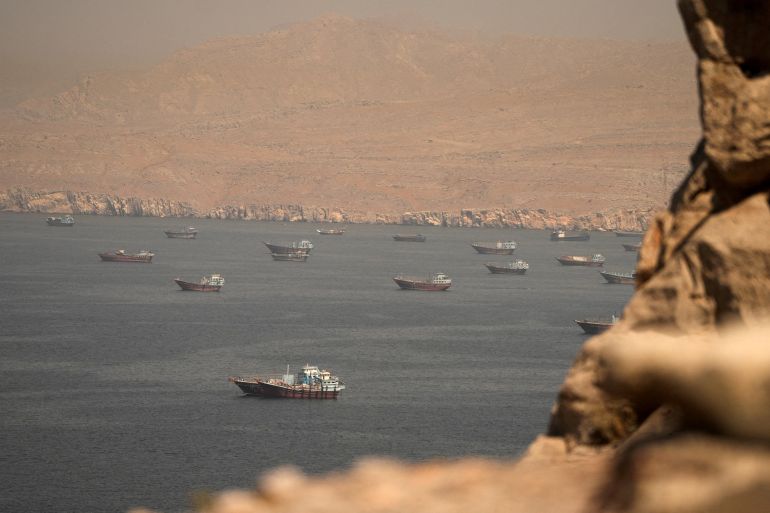
The Strait of Hormuz has long been one of the world’s most strategically important waterways. Nearly a fifth of global oil trade passes through this narrow corridor linking the Persian Gulf to international markets.
Any disruption in its functioning sends tremors across economies, energy markets and diplomatic corridors far beyond West Asia. The recent tensions involving Iran and the United States have once again demonstrated a simple truth: what happens at Hormuz rarely stays in the Gulf.
Over the past few months, global energy markets have weathered a fresh period of uncertainty. Despite fears of a major oil shock, prices remained relatively contained due to strategic petroleum reserve releases, alternative supply sources and the rerouting of shipments through existing pipeline networks.
Yet the crisis exposed how vulnerable the global economy remains to geopolitical confrontation in a region that continues to dominate energy flows.
Iran managed to sustain significant oil exports even amid disruptions, while sanctions and maritime restrictions sharply curtailed its revenues. Meanwhile, the United States relied on economic pressure and strategic messaging to contain escalation.
The episode highlighted not only the resilience of energy markets but also the dangers of turning critical trade routes into instruments of political leverage.
History offers ample warnings. From interventions in Iran and Iraq to conflicts involving Libya and Venezuela, energy security has frequently overlapped with geopolitical ambitions. Great powers have often justified involvement in oil-producing regions in the name of stability, while resource-rich nations have sought to use their strategic location and reserves as bargaining tools. Neither approach has produced lasting peace.
Today, both Washington and Tehran face a critical choice. The tentative easing of tensions provides an opportunity to rebuild trust and stabilise markets. However, any attempt by either side to exert control over the Strait of Hormuz through restrictions, political coercion or financial levies would be a grave mistake.
The principle governing international straits is well established. Under international maritime law, including provisions of the United Nations Convention on the Law of the Sea (UNCLOS), transit through natural international waterways cannot be subjected to arbitrary tolls or restrictions. These norms exist for a reason. They protect the free flow of commerce and prevent strategic chokepoints from becoming tools of economic warfare.
The consequences of undermining these principles would extend far beyond the Gulf. If tolls or transit charges were imposed at Hormuz, other nations controlling vital maritime passages could follow suit. Similar measures at the Strait of Malacca, the Gibraltar Strait or other global shipping corridors would increase transportation costs, disrupt supply chains and weaken the foundations of international trade.
For Iran, such a move would be particularly self-defeating. Much of its own energy exports depend on unrestricted maritime routes to reach Asian markets. Any precedent that legitimises transit charges elsewhere could eventually raise costs for Tehran’s customers and diminish the competitiveness of Iranian exports.

The United States, too, must recognise the limits of coercive power. While sanctions and military pressure may achieve short-term objectives, they often generate long-term resentment and encourage rivals to seek alternatives to American influence. A foreign policy rooted primarily in confrontation risks eroding the very leadership Washington seeks to preserve.
The economic stakes are equally significant. Iran possesses some of the world’s largest oil and natural gas reserves, yet decades of sanctions and political isolation have constrained investment and growth. The country’s future prosperity depends not on confrontation but on integration with regional and global markets. Rebuilding infrastructure, attracting investment and restoring confidence require stable relations with neighbours and major powers alike.
For Washington, constructive engagement offers greater dividends than perpetual conflict. Investors, energy companies and regional partners are more likely to support a framework based on predictability than one driven by recurring crises. The experience of Iraq and Libya should serve as reminders that military victories do not necessarily translate into lasting stability or influence.
The larger lesson from the Hormuz crisis is that global trade depends on shared rules. The world has already endured years of tariff disputes, sanctions battles and supply-chain disruptions. Allowing strategic waterways to become arenas for toll collection or political brinkmanship would further fragment an already fragile economic order.
The Strait of Hormuz is not merely a regional passage. It is a global commons whose uninterrupted functioning serves the interests of producers, consumers and shipping nations alike. Preserving its neutrality is therefore not an act of generosity but of collective self-interest.
The recent tensions should become a catalyst for diplomacy rather than a rehearsal for future confrontation. Both Iran and the United States have much to lose from continued escalation and much to gain from stability. The world economy cannot afford a future in which every strategic waterway becomes a toll booth and every geopolitical dispute threatens global commerce.
The message is clear: safeguarding free navigation is not just about oil. It is about preserving the principles that keep international trade flowing. If those principles are weakened at Hormuz, the repercussions will be felt far beyond the Gulf.

