

At the centre of the controversy is the question of whether the proposed “direct funding” mechanism can actually be introduced within the existing constitutional and financial framework
 KRC TIMES Desk
Jayanta Debnath
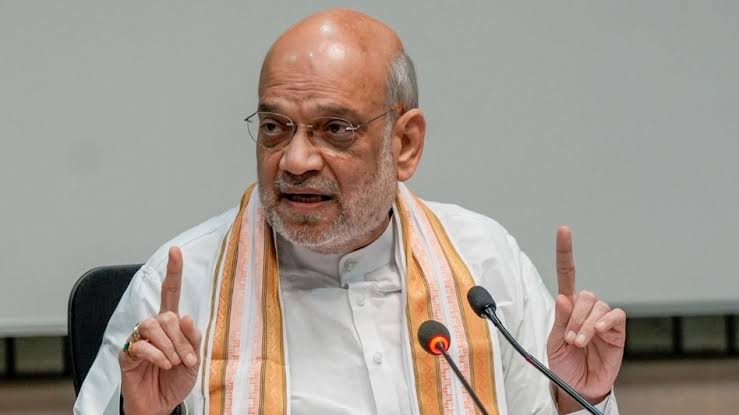
With the Tripura Tribal Areas Autonomous District Council (TTAADC) Village Council elections approaching, alleged assurances made by Union Home Minister Amit Shah to Tipra Motha leaders regarding direct funding for the ADC and speedy implementation of comprehensive land rights have emerged as a politically sensitive issue in Tripura. Claims regarding the alleged commitments have reportedly been highlighted by Tipra Motha founder Pradyot Kishore Manikya Debbarma and party MLA Ranjit Debbarma, prompting concern and strong reactions among sections of the Bengali community and unease among some BJP leaders.
At the centre of the controversy is the question of whether the proposed “direct funding” mechanism can actually be introduced within the existing constitutional and financial framework. A document examining the constitutional position points out that the Sixth Schedule gives Autonomous District Councils specific legislative and administrative powers, while their financial arrangements remain governed by constitutional provisions. It notes that grants and other financial resources are subject to the prescribed constitutional mechanism and states that “no other mechanism” has been provided.
The issue of land rights is equally significant. Under Paragraph 3(a) of the Sixth Schedule, the District Council has powers relating to land within council areas for residential, agricultural and allied purposes. The document also refers to existing provisions under the Tripura Land Revenue and Land Reforms framework for allotment and setting apart of land, suggesting that any broader or “full” land-rights arrangement would have to operate within the constitutional and legal framework governing land in the state.

The constitutional dimension has therefore become an important part of the political debate. The document stresses that India’s Union and State governments function within their respective constitutional limits and that laws or powers exercised under the Sixth Schedule cannot operate in conflict with the Constitution or applicable Union and State laws. It also describes the Sixth Schedule as providing special protections and powers for tribal areas while emphasizing the need for constitutional balance.
The reported assurances have consequently raised a larger question: if the commitments regarding direct funding and expanded land rights were indeed made, through what constitutional, legislative or administrative route will the Centre and the Tripura government implement them? This question assumes particular importance ahead of the Village Council elections, when political parties are attempting to consolidate their support among different sections of the electorate.
The political response has so far appeared cautious. While sections of the BJP leadership are reportedly uncomfortable with the issue, the Congress and CPI(M) have largely avoided an aggressive reaction, a stance that may be linked to the electoral calculations surrounding the forthcoming ADC Village Council polls. The relative silence of the opposition parties has itself become a talking point in political circles.
For many in Tripura, the controversy is not simply about an electoral promise but about the potential implications of changes in financial and land-related arrangements within the ADC areas. The document stresses that the constitutional objective of the Sixth Schedule is to protect tribal communities while maintaining diversity and ensuring that the interests of all sections of society are protected. It also emphasizes cooperation and cohesion rather than creating divisions between tribal and non-tribal communities.
Ultimately, the political debate will depend on whether the reported assurances translate into concrete policy decisions. The real test now is how the Centre and the Tripura government propose to implement the alleged commitments on direct funding and comprehensive land rights while remaining within the constitutional framework of the Sixth Schedule and the existing financial and land laws. With the Village Council elections drawing closer, the issue is likely to remain a major subject of political discussion across Tripura.