


The GMF also cautioned against political exchanges that could divert attention from Manipur’s continuing violence and humanitarian crisis
 KRC TIMES National Bureau
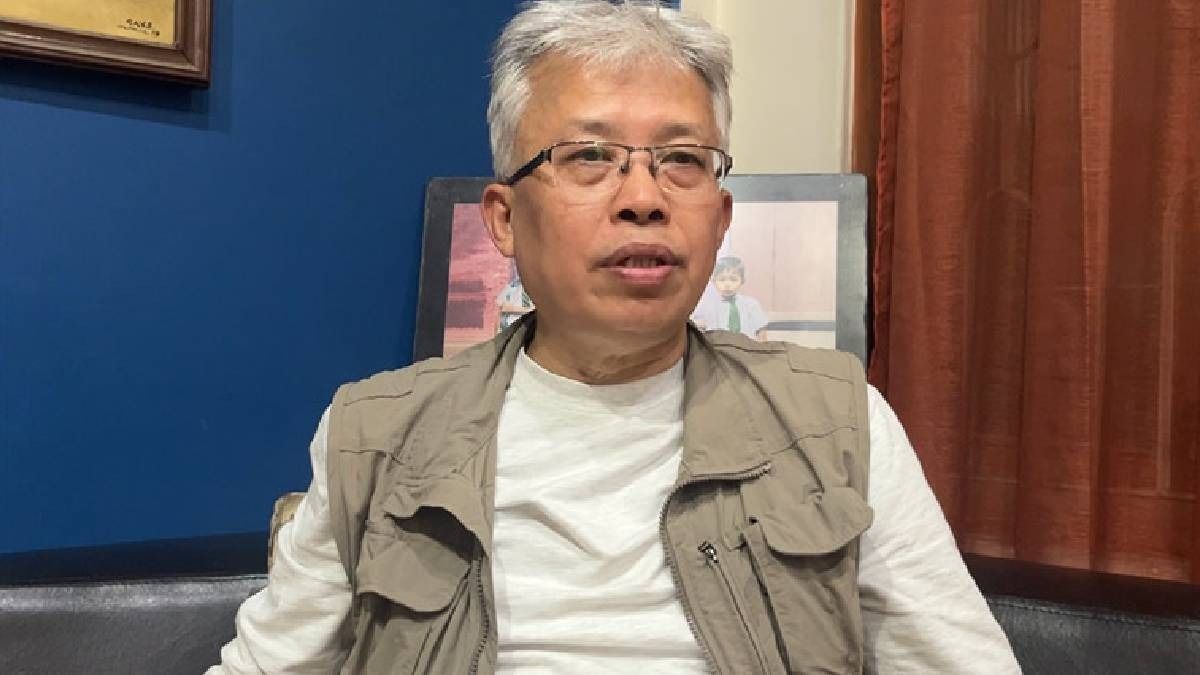
NEW DELHI | The Global Manipur Federation (GMF) has expressed solidarity with Manipur Lok Sabha MP Angomcha Bimol Akoijam amid the controversy over his dismissal as a professor at Jawaharlal Nehru University (JNU), raising questions over alleged procedural irregularities in the university’s decision.
In a statement issued on Tuesday, the federation said the developments surrounding Akoijam had raised concerns about institutional procedures and could undermine his work, while discouraging the growing public demand for change in Manipur.
The GMF also cautioned against political exchanges that could divert attention from Manipur’s continuing violence and humanitarian crisis. It called for a more rational political discourse, stressing that the state’s pressing challenges must remain at the centre of public and media attention.

The federation urged the JNU administration and its governing bodies to ensure strict compliance with statutory provisions, institutional rules and due process while dealing with the matter.
A key concern raised by the GMF relates to Section 16 of the Sexual Harassment of Women at Workplace (Prevention, Prohibition and Redressal) Act, 2013. The provision restricts the disclosure of the identities of the complainant and respondent, as well as details of complaints, inquiries and related proceedings.
The federation flagged questions over the handling of the case in the context of these confidentiality requirements. The precise circumstances surrounding the alleged procedural lapses, however, remain subject to the relevant institutional and legal processes.
The GMF also referred to objections raised by the Jawaharlal Nehru University Teachers’ Association (JNUTA), which has criticised the university administration’s handling of the matter and alleged that prescribed legal and institutional procedures were bypassed.
According to the teachers’ association, Statute 30 of the JNU Act vests the authority to dismiss faculty members in the university’s Executive Council, raising questions about whether the prescribed process was followed in Akoijam’s case.
The controversy has brought the university’s disciplinary procedures and the role of its governing bodies into focus. The allegations raised by the federation and the teachers’ association remain distinct from any final legal determination on the validity of the dismissal.
The GMF said the dispute also carried wider public implications, particularly at a time when Manipur continues to grapple with violence, displacement and humanitarian concerns, alongside protests over the state’s situation.
It warned that political sparring over the MP’s dismissal should not eclipse the larger crisis facing Manipur. The federation called for sustained public engagement with the state’s problems, arguing that institutional accountability and attention to the humanitarian situation must not be pushed aside by political controversy.

