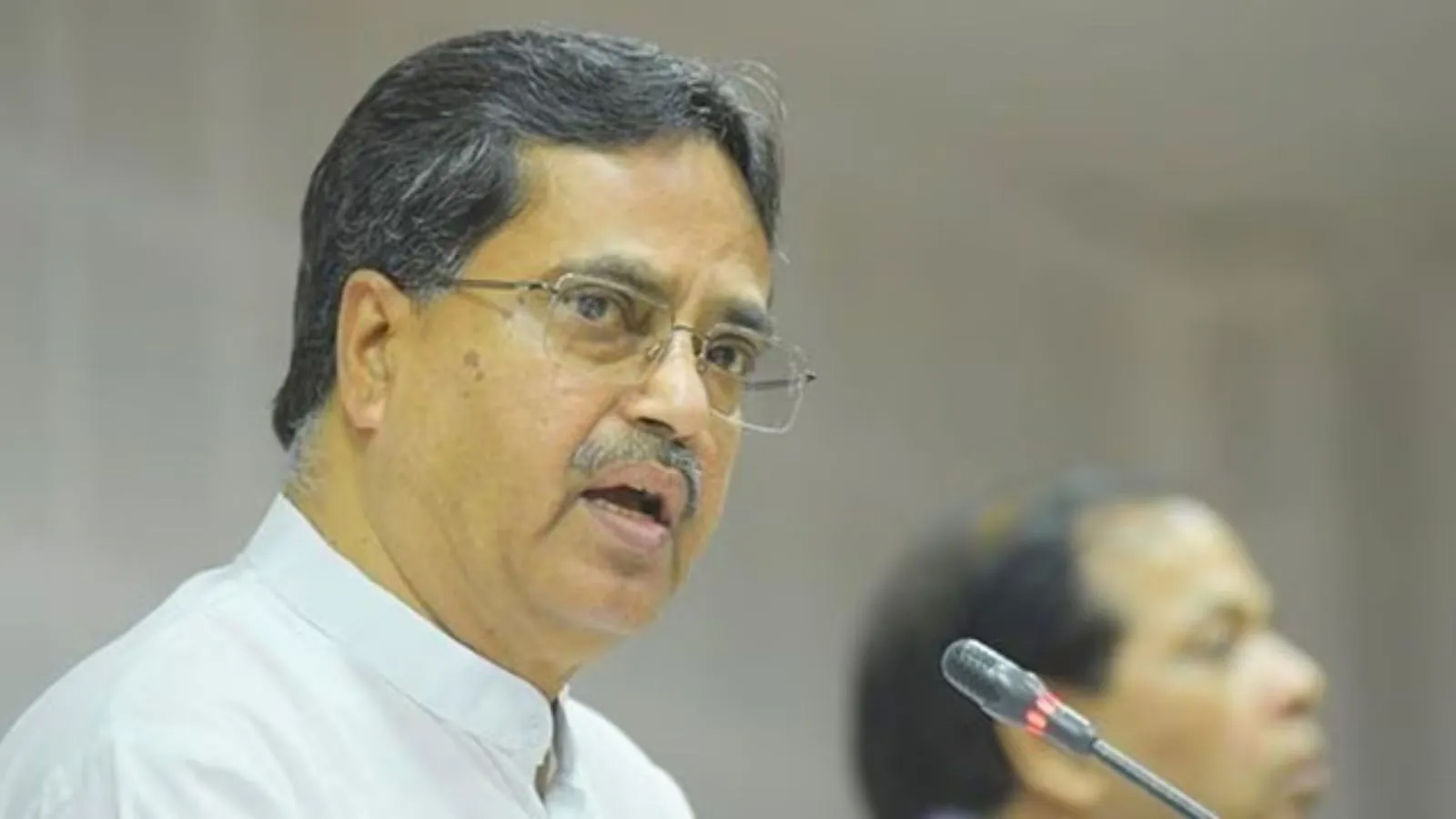


The programme was jointly organised by the Indian Buildings Congress (IBC), Tripura State Chapter, and TSECL under the theme, “A Shared Vision for a Better World: Affordable and Clean Energy”
 KRC TIMES NE Desk
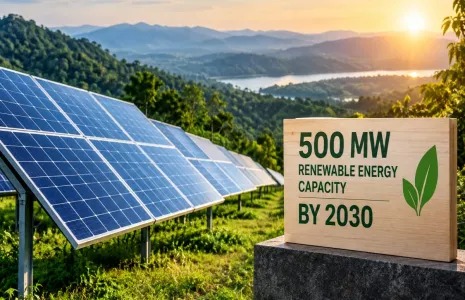
AGARTALA | Tripura has set a target of achieving 500 MW of renewable energy capacity by 2030, with plans to expand rooftop solar installations, strengthen electricity storage infrastructure and shift thousands of drinking water pumps to solar power.
Tripura State Electricity Corporation Ltd (TSECL) Managing Director Biswajit Basu announced the target on Wednesday at an event marking World Standards Day 2026 at the corporation’s headquarters in Agartala. Basu stressed the need to make clean energy more accessible and affordable while modernising the state’s power infrastructure to meet rising electricity demand.
The programme was jointly organised by the Indian Buildings Congress (IBC), Tripura State Chapter, and TSECL under the theme, “A Shared Vision for a Better World: Affordable and Clean Energy”. Basu said reliable and affordable electricity was essential for economic growth and social development. He added that expanding renewable energy would be critical to ensuring long-term energy security while reducing environmental pressure.
He also pointed to the growing demand for electricity driven by artificial intelligence and other emerging technologies, underscoring the need to diversify energy sources and strengthen the power system.
Rooftop solar push
Tripura currently has around 17 MW of installed rooftop solar capacity, Basu said. A proposal to install rooftop solar systems with a combined capacity of 150 MW across 1.5 lakh households is under consideration. If implemented, the initiative would significantly expand household-level solar power generation in the state.

TSECL is also planning to develop electricity storage infrastructure with a capacity of around 200 megawatt-hours (MWh) at the 33-kilovolt (kV) level to improve grid stability and power management. Another key initiative involves converting more than 5,000 drinking water pumps to solar-powered systems, reducing their dependence on conventional electricity.
Basu said the corporation was also working to train local youths in solar energy technology to develop technical skills and create a workforce capable of supporting the state’s renewable energy expansion.
Infrastructure modernisation
Emphasising the broader challenges facing the power sector, Basu said distribution companies must focus on technological upgrades, energy efficiency and reliable service delivery while maintaining financial sustainability. He said these measures would be essential for Tripura to transition towards cleaner energy and meet its future electricity requirements.
The event was attended by IBC national president engineer Chinmoy Debnath, Tripura Electricity Regulatory Commission chairman Hemanta Verma, National Institute of Technology Agartala associate professor Shubhadeep Bhattacharya, former IBC Tripura State Centre president R K Majumdar, TSECL general manager Swapan Debbarma and IBC Tripura State Chapter president Bimal Das.
Bhattacharya and Debbarma delivered the keynote addresses, while discussions focused on clean energy adoption, power infrastructure upgrades and the role of standards in promoting environmentally sustainable development.