

Hazarika said the proposed investment could be increased further depending on project requirements and implementation
 KRC TIMES Barak Valley Bureau

Silchar | The Assam government has set a target of mobilising at least ?1,500 crore for irrigation projects across Barak Valley’s 15 Assembly constituencies over the next four years, aiming to boost agricultural productivity, encourage crop diversification and improve farmers’ incomes.
Agriculture and Irrigation Minister Pijush Hazarika announced the target on Thursday following a review meeting at the Cachar District Commissioner’s office during his three-day visit to Barak Valley.
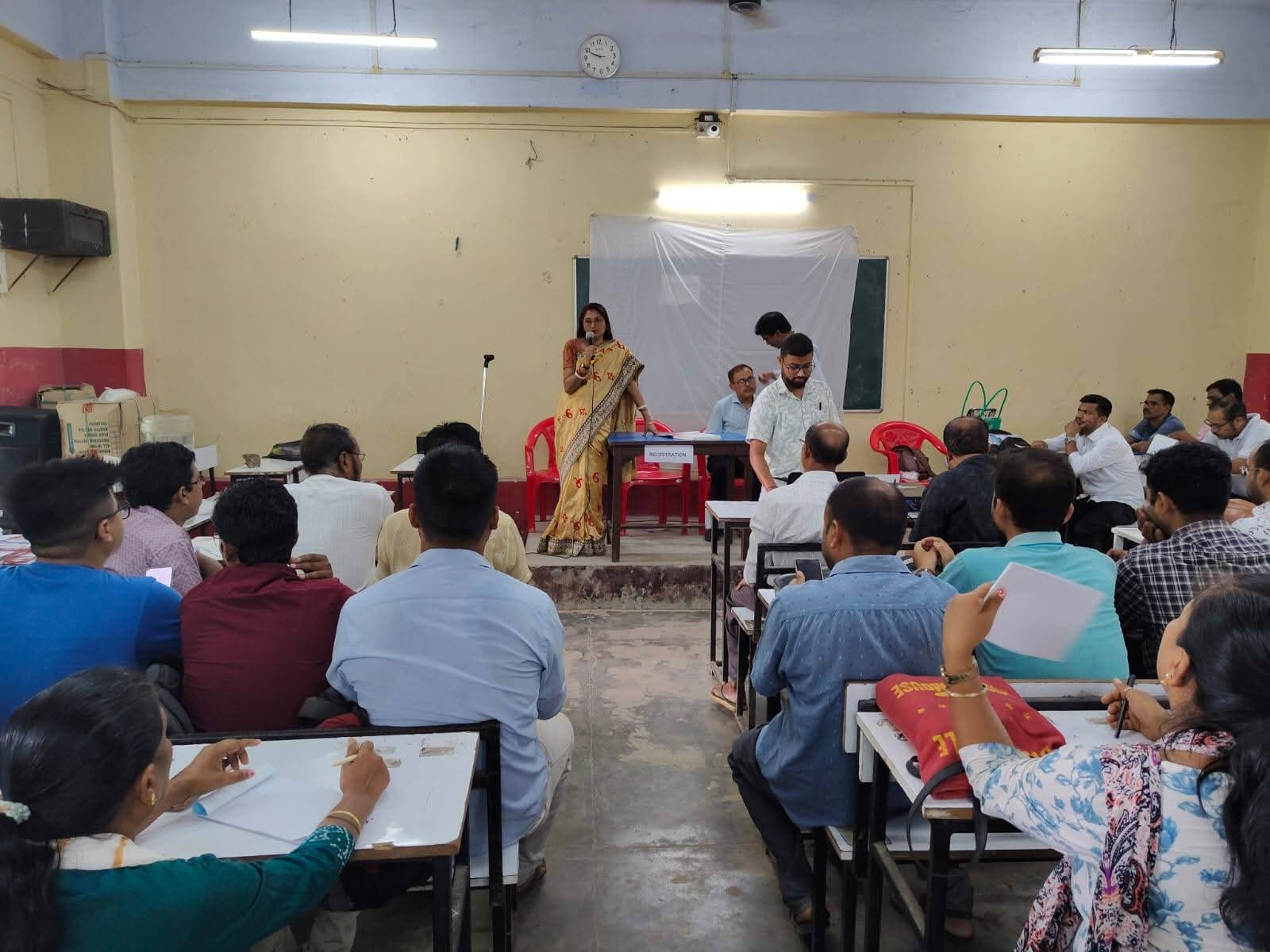
Hazarika said the proposed investment could be increased further depending on project requirements and implementation. The meeting reviewed irrigation infrastructure, horticulture development and administrative bottlenecks affecting farmers’ access to government schemes.
“Unless irrigation is strengthened, agriculture cannot progress. If we cannot support farmers, Assam cannot move forward,” the minister said, adding that the state was working with the Centre to expand agricultural investment and improve rural livelihoods. The meeting also assessed the implementation of central and state schemes, including PM-KISAN and PM-KUSUM, which support farmers and promote agricultural development.
Land-record gaps threaten access to farm benefits
The minister identified the absence of digitised land records in Cachar as a major obstacle, saying it was affecting farmers’ registration and could jeopardise their access to benefits under PM-KISAN and crop insurance schemes. Ministers Kaushik Rai and Krishnendu Paul are expected to visit Guwahati shortly to discuss the issue with the Revenue Department and expedite the registration process.

Resolving the land-record problem is expected to help eligible farmers access government assistance more efficiently.
Horticulture push to diversify farm incomes
Alongside irrigation expansion, the government is planning a series of sapling distribution drives to encourage farmers to diversify into commercially viable crops. Hazarika said 2,000 coconut saplings would be distributed in each Assembly constituency within the next three days. A further 3,000-4,000 areca nut saplings per constituency are scheduled for distribution within six days.
Seeds for rabi crops, including maize, have arrived in the district and will be distributed shortly, the minister said.
The government also plans to distribute at least five lakh saplings of commercially viable fruit varieties in each constituency during the next planting season in June-July 2027. The proposed varieties include mango, jackfruit, guava and dragon fruit, with the aim of encouraging farmers to move towards higher-value horticulture.
In another initiative, the state is exploring makhana cultivation across at least 50,000 bighas of wetlands and low-lying areas to expand agricultural opportunities and raise rural incomes.
Post-harvest infrastructure in focus
During a field visit to a major pineapple-growing area in the Lakhipur Assembly constituency, Hazarika reviewed oil palm cultivation and discussed the need to strengthen post-harvest infrastructure. The discussions included the provision of refrigerated vans to improve the transportation and preservation of agricultural produce, along with facilities to provide relief to farmers working in the fields.
Improved storage and transportation could help reduce post-harvest losses and enable growers to market perishable produce more effectively. The proposed irrigation investment, horticulture expansion and efforts to resolve land-record bottlenecks form part of the state government’s broader strategy to strengthen agriculture in Barak Valley. The effectiveness of the plan will depend on the timely implementation of projects and the extent to which improved infrastructure translates into better returns for farmers.