Calls for Greater Role of Social Workers in Nasha Mukt Bharat Abhiyaan
 KRC TIMES Assam Bureau
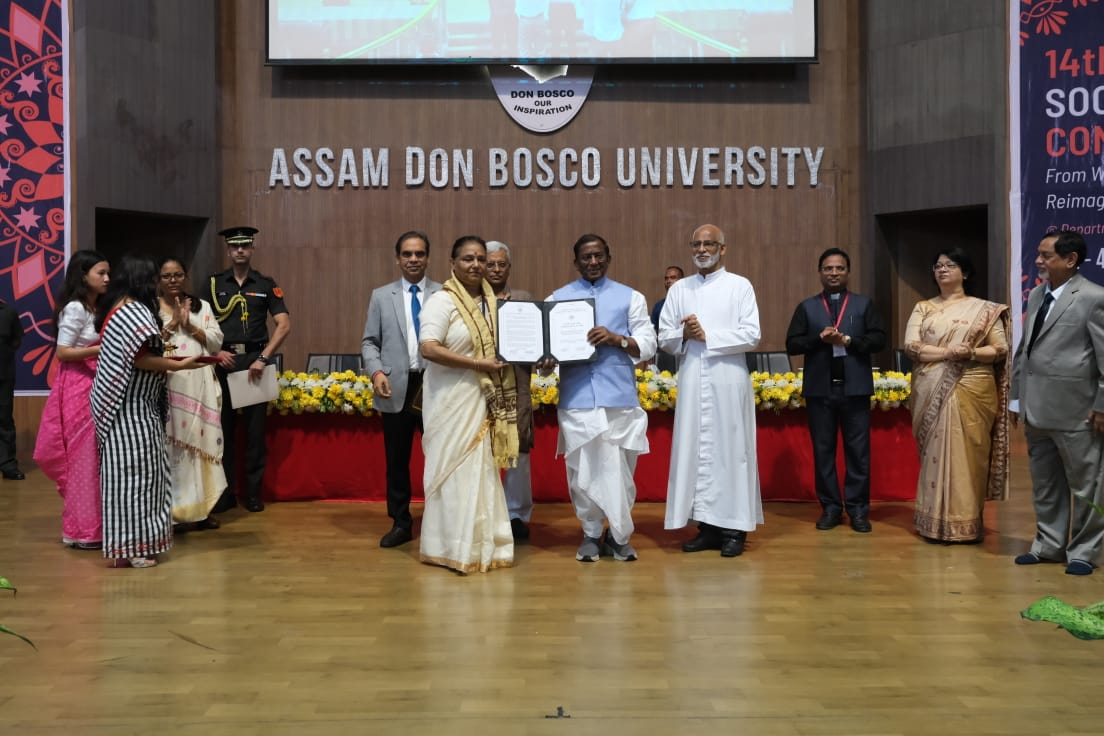
GUWAHATI: The National Association of Professional Social Workers in India (NAPSWI) presented the Guwahati Declaration on Social Work, Prevention and Wellbeing at the 14th Indian Social Work Conference (ISWC) 2026, calling for greater involvement of professional social workers in the Nasha Mukt Bharat Abhiyaan (NMBA).
The declaration stressed the need to strengthen substance abuse prevention through social development, youth leadership and community participation, highlighting that the fight against drug abuse requires more than medical treatment, awareness campaigns and law enforcement.
The three-day conference, held from November 2 to 4, was organised by the Department of Social Work, Assam Don Bosco University, in partnership with NAPSWI. It brought together academicians, social work professionals, researchers and students from India and abroad.
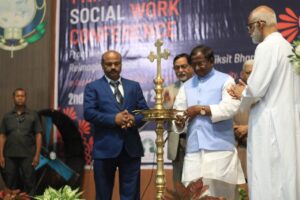
The inaugural ceremony was attended by Assam Governor Lakshman Prasad Acharya, Assam Don Bosco University Vice-Chancellor Fr. Jose Palely and NAPSWI President Professor Sanjai Bhatt, among other dignitaries.
The Guwahati Declaration identified 12 key areas of action, including mental health promotion, healthy campuses, Emotional CPR, citizen participation, peer-led support, youth leadership, professional social work, recovery and social reintegration, and evidence-based measures to prevent alcohol-related harm.
A major commitment under the Young India Wellness Campaign aims to train at least 2,000 students across 10 states by December 31, 2029. The initiative will be supported by campus wellness programmes, community outreach and peer-led awareness activities.
The declaration also recognised the Kranjska Gora Declaration, adopted at Movendi International’s 71st World Congress in Slovenia in October 2026, and highlighted the importance of international cooperation, evidence-based alcohol prevention and public-interest policymaking.
Centred on the theme “From Welfare to Wellbeing: Reimagining Social Work Practice for Viksit Bharat,” the conference explored ways to strengthen links between social work education, professional practice, research, policymaking and community development.
The Guwahati Declaration seeks to provide a framework for translating these discussions into practical action through greater cooperation among government programmes, universities, public health institutions, youth networks and civil society organisations.
It emphasised that social work should not be limited to responding to social problems but must also focus on prevention, dignity, resilience and overall wellbeing.
The declaration concluded with the message: “We do not wait for people to become patients before we care.” It further underlined the principle that prevention is social, development is prevention and protection is prevention.