


The responsibilities of a soldier cannot be measured by conventional working hours or the routines of civilian employment
 KRC TIMES Desk
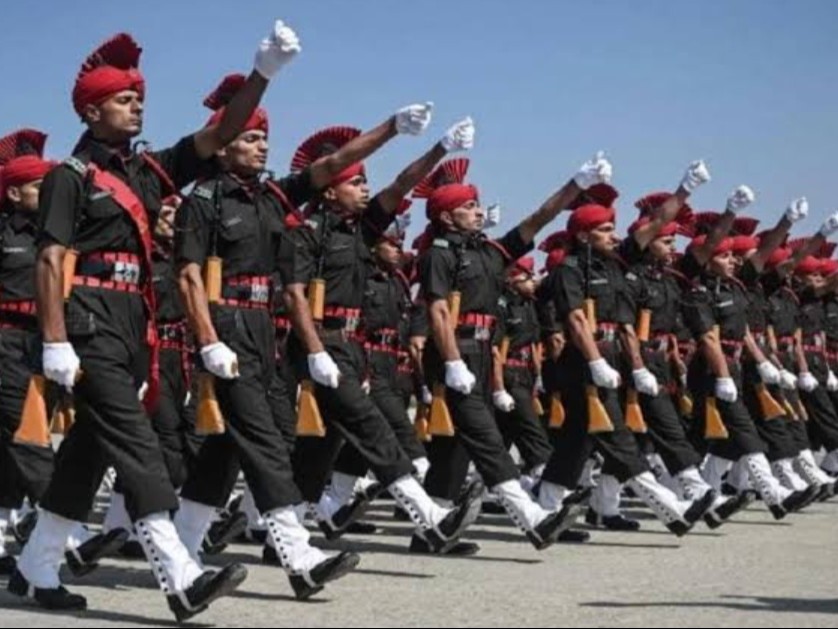
The decision to extend the service tenure of Agniveers by two years and create a pathway towards permanent recruitment is a welcome recognition of ground realities. It addresses the anxieties of young recruits, protects the investment made in military training and offers an opportunity to balance a younger fighting force with the experience essential for national security.
India’s military reforms must be guided by two equally important considerations: the need to build a younger, technologically equipped armed force and the responsibility to recognise the aspirations and sacrifices of those who wear the uniform. The Agnipath scheme, introduced with the promise of transforming the recruitment structure of the armed forces, has been an important part of this exercise. However, its four-year tenure has also raised questions about the future of thousands of young recruits who leave military service at an age when their professional lives are only beginning.
Against this backdrop, the Government’s decision to provide an additional two years of service to Agniveers, alongside a pathway towards permanent recruitment, is a significant and welcome development. It indicates that defence policy need not remain rigid when experience and operational requirements point towards the need for adjustments.
The issue goes beyond employment or service benefits. Soldiering is fundamentally different from an ordinary occupation. Guarding India’s borders, operating in extreme climatic conditions, maintaining vigilance in difficult terrain and responding to security threats demand physical endurance, mental resilience and sustained professional commitment. The responsibilities of a soldier cannot be measured by conventional working hours or the routines of civilian employment.

Modern warfare is increasingly dependent on technology. Drones, satellite surveillance, artificial intelligence and electronic monitoring have transformed military operations. Yet technology cannot eliminate the need for trained personnel on the ground. Human judgement, terrain awareness, discipline and the ability to respond to unpredictable situations remain indispensable. A technologically advanced military still needs experienced soldiers.
This is where the proposed extension assumes particular importance. Training a recruit into an effective soldier requires considerable time, resources and institutional investment. Weapon handling, field operations, discipline, teamwork and operational preparedness develop through sustained training and practical experience. Releasing a large proportion of trained personnel after four years inevitably raises questions about the utilisation of that investment.
An additional two years can help address this concern. It gives Agniveers more time to consolidate their skills, gain operational experience and contribute to unit effectiveness. Experienced personnel can also guide younger recruits, strengthening discipline, confidence and cohesion within military formations.
The revised arrangement, as outlined by the military leadership, offers the 75 per cent of Agniveers who would otherwise leave after four years an opportunity to serve for another two years, with improved remuneration, enhanced Seva Nidhi benefits and seniority-related advantages. A further opportunity for enrolment as regular soldiers, subject to willingness and prescribed selection criteria, provides an additional incentive.
The 25 per cent retained through the existing selection process will continue to enjoy seniority over those recruited later. This distinction is important because any revised recruitment structure must preserve fairness and recognise the service of those selected under the original arrangement.
More importantly, the decision acknowledges that military reforms must be evaluated against actual field requirements rather than administrative targets alone. The armed forces operate in an environment where experience can make a critical difference. A soldier who has spent years understanding a particular terrain, working with a unit and handling sophisticated equipment brings capabilities that cannot be immediately replaced by a new recruit.
The Government’s decision also reflects a broader principle of policy-making: reforms must remain open to review. The Agnipath scheme was introduced as a structural change, but its long-term effectiveness can only be judged through operational experience, feedback from commanders and the performance of successive batches. Adjusting the framework does not necessarily mean abandoning the original objective. It can instead strengthen the reform by correcting weaknesses that emerge during implementation.

Nevertheless, the latest decision should not be treated as the final answer to every concern surrounding Agnipath. The future of those who eventually leave the armed forces after six years remains an important question. Their rehabilitation, employment opportunities, skill recognition and social security require a comprehensive and credible framework.
Military training develops qualities that are valuable far beyond the battlefield. Discipline, leadership, technical competence, teamwork and the ability to function under pressure can make former Agniveers valuable contributors to civilian institutions, industry, infrastructure, disaster management and security services. But these skills must be formally recognised, and employment pathways must be supported by effective implementation rather than policy announcements alone.
The Government must also provide clarity on whether the four-plus-two arrangement will apply to future recruitment batches. Predictability is essential for young people considering a career in the armed forces. Recruitment policies must inspire confidence, not leave candidates uncertain about the terms and conditions of their service.
There is also a need for continuous consultation with the three services and commanders in operational areas. A recruitment policy designed for a modern military must take into account the differing requirements of the Army, Navy and Air Force. The objective should be to create a force that is young and physically capable without sacrificing institutional experience and professional continuity.
Ultimately, the success of Agnipath should not be judged merely by the number of recruits inducted or the financial savings achieved. It must be assessed by the quality of military preparedness, the effectiveness of operational units and the dignity and security extended to those who serve.
The additional two-year tenure and the proposed pathway towards permanent recruitment represent a constructive step in that direction. They offer reassurance to serving Agniveers while giving the armed forces an opportunity to retain valuable experience.
A strong military is not built by keeping its soldiers young alone; it is built by combining youthful energy with experience, training and commitment. India’s defence reforms must recognise this balance. The real test of the revised Agnipath framework will be whether it delivers a future-ready fighting force while ensuring that those who serve the nation are not left uncertain about their own future.

