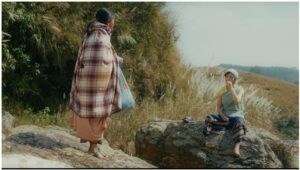


Set against the cultural and social realities of the Jaintia community, the film follows Dio, a quiet and sensitive boy who finds comfort in painting and poetry
 KRC TIMES Manipur Bureau
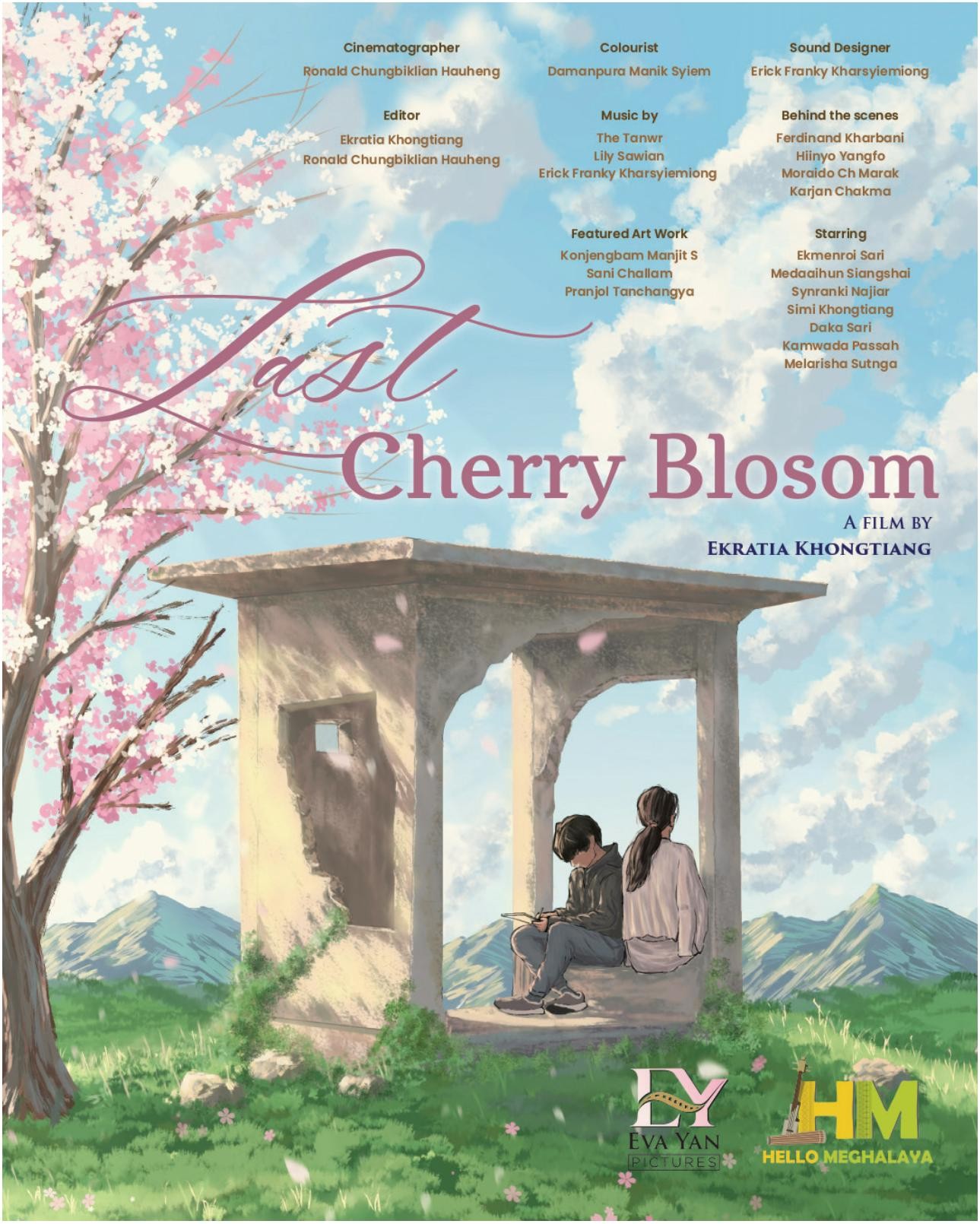
IMPHAL | The emotional struggles of growing up with social stigma, the search for personal identity and the transformative power of friendship form the central themes of Last Cherry Blossom, a 29-minute experimental fiction film directed by Ekratia Khongtiang from Meghalaya, screened at Tribal Frame 2026, a national tribal film festival held in Imphal.

Set against the cultural and social realities of the Jaintia community, the film follows Dio, a quiet and sensitive boy who finds comfort in painting and poetry. However, beneath his artistic interests lies a painful personal experience.
Growing up as a Khon Sang—a child born to parents belonging to the same or closely related clan—Dio carries the burden of a social stigma that he neither created nor chose. The label becomes a source of emotional distress, shaping his understanding of himself and his place within society.

His childhood is marked by the challenge of reconciling his personal identity with the judgement imposed upon him by others. His circumstances begin to change when he befriends Iris. The two develop an unusual friendship, communicating their thoughts and feelings through a shared notebook.
Through poems, written expressions and quiet moments of companionship, Dio gradually discovers a different way of looking at himself, beyond the social label attached to his birth. Their friendship becomes an important source of emotional support, allowing him to explore his feelings and recognise the possibility of acceptance and belonging.
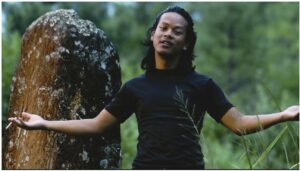
Through this intimate narrative, Last Cherry Blossom examines the psychological and social consequences of inherited stigma, particularly on young people who become victims of circumstances beyond their control. The film raises questions about the influence of community perceptions, traditional social boundaries and the treatment of individuals whose identities are shaped by circumstances of birth.
The film’s experimental storytelling approach uses poetry, visual expression and interpersonal relationships to communicate emotions that are often difficult to articulate. It also reflects on the importance of empathy and human connection in overcoming prejudice and social exclusion.
By focusing on the experiences of a young person, the film invites audiences to reconsider the distinction between cultural traditions and the social judgements that can emerge around them. It ultimately presents friendship, artistic expression and self-discovery as possible pathways towards healing and personal freedom.