Europe’s current stance is one of heightened resolve to support Ukraine, driven by both moral commitment and strategic necessity, but tempered by internal discord and capacity constraints
 KRC TIMES Desk
Europe’s stance on Ukraine following a perceived fallout with the United States reflects a complex and evolving situation, marked by a mix of solidarity with Ukraine, internal divisions, and a push for greater autonomy in supporting Kyiv amid uncertainty over U.S. policy under the Trump administration.

Europe has historically been a strong supporter of Ukraine since Russia’s invasion began in February 2022, providing significant financial, military, and humanitarian aid. This support intensified as the war progressed, with the European Union (EU) and individual member states stepping up commitments, especially as U.S. aid became less certain following Donald Trump’s return to office in January 2025. The fallout between the U.S. and Ukraine, notably highlighted by a contentious meeting between Trump and Ukrainian President Volodymyr Zelenskyy in late February 2025, has pushed Europe into a more prominent role. Trump’s administration has signaled a shift, favoring rapid peace talks—potentially at Ukraine’s expense—and a reduction in U.S. military support, leaving European leaders to grapple with how to sustain Ukraine without consistent American backing.
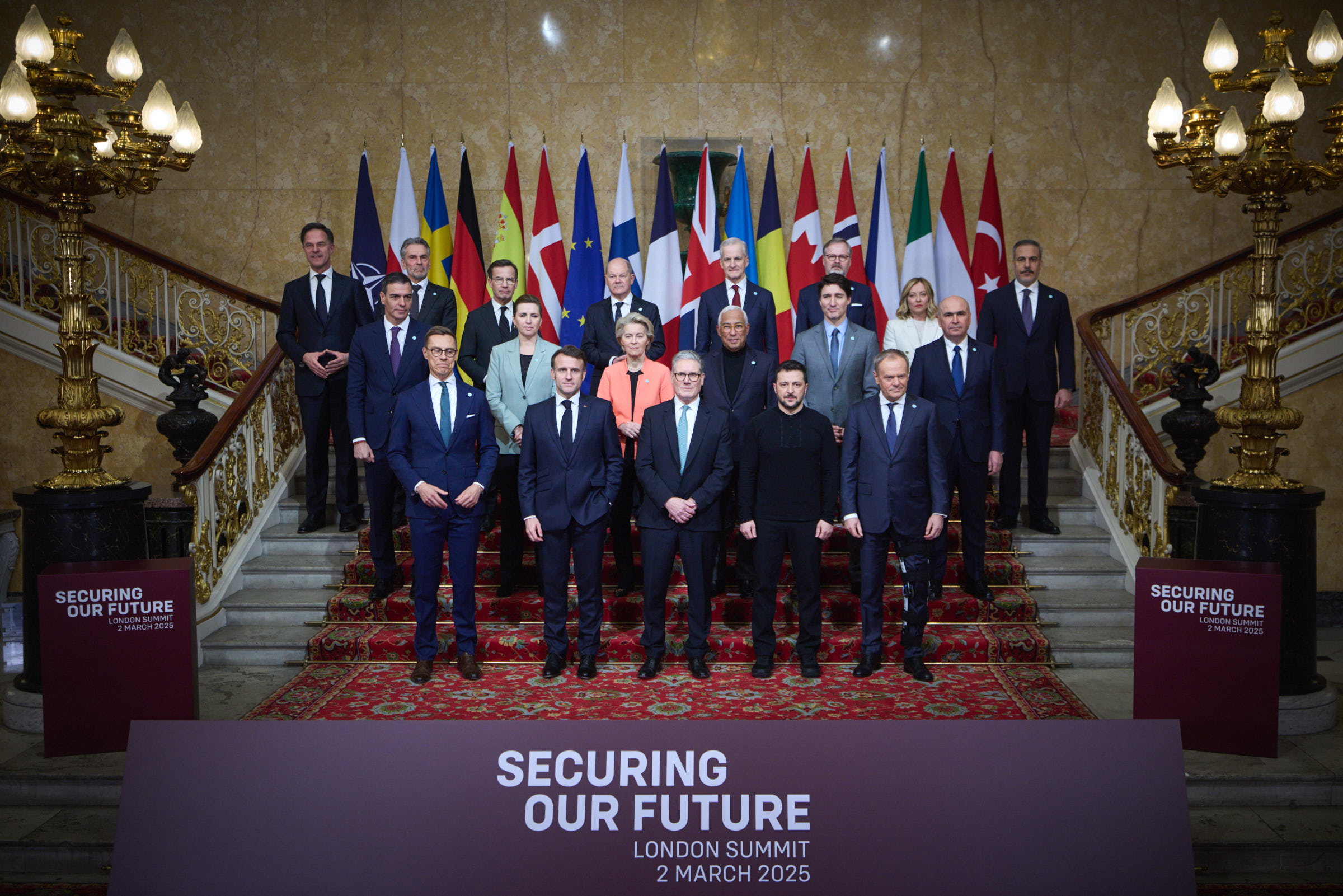
The EU has expressed unwavering rhetorical support for Ukraine’s sovereignty and territorial integrity. Following the Trump-Zelenskyy clash, European leaders rallied around Zelenskyy, with some proposing initiatives like a month-long ceasefire to pave the way for peace talks, though this idea has met resistance from Ukraine itself, which fears it could benefit Russia. The EU’s top diplomat, Kaja Kallas, has criticized U.S. statements for echoing Russian narratives, underscoring a transatlantic rift. Meanwhile, countries like France and Germany have pushed for Europe to bolster its military and financial aid to Ukraine, with French President Emmanuel Macron hosting urgent EU meetings to secure funding and German leaders emphasizing the existential threat a Russian victory poses to European security.
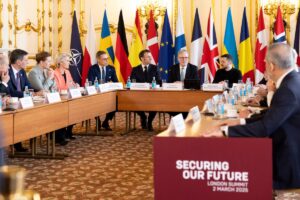
However, Europe’s stance is not monolithic. Internal divisions complicate a unified response. Hungary and Slovakia have resisted additional aid packages, stalling EU consensus on funding, while nations like Poland and the Baltic states advocate for stronger support, viewing Russia as a direct threat. Public opinion across Europe is also mixed—polls in France show majority support for continued aid, but in Germany, nearly half favor reducing it. These fractures highlight the challenge of aligning 27 member states, especially as military spending increases strain budgets traditionally allocated to social programs.
Practically, Europe has increased its efforts to compensate for waning U.S. support. The EU has leveraged frozen Russian assets to fund Ukraine’s military needs and ramped up ammunition production, though it struggles to match the scale of U.S. capabilities. Leaders like Zelenskyy have called for a “European army” to institutionalize this shift, reflecting a broader sentiment that Europe must reduce reliance on America. Yet, doubts persist about whether Europe can fully “hold the line” without U.S. logistical and industrial might, particularly as its defense industries lag behind Russia’s war footing.
Europe’s current stance is one of heightened resolve to support Ukraine, driven by both moral commitment and strategic necessity, but tempered by internal discord and capacity constraints. The U.S. fallout has accelerated Europe’s push for self-reliance, though the path forward remains uncertain as leaders navigate Trump’s unpredictable approach and Russia’s ongoing aggression.
Promotional | Subscribe KRC TIMES e-copy