

Biren Singh’s Vision for a Reimagined Manipur
 KRC TIMES Desk
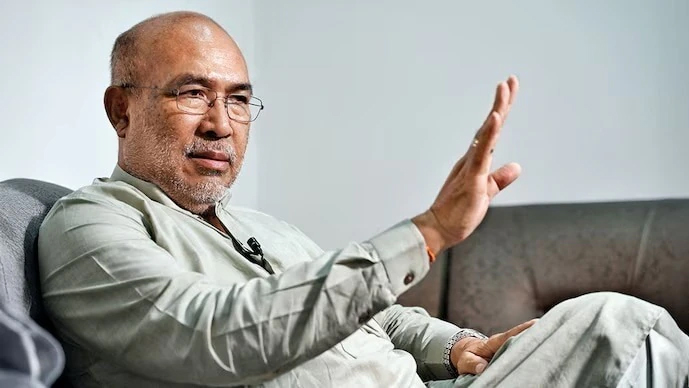
In the heart of Imphal East, the air was charged with conviction and hope as the BJP Heingang Mandal hosted a “Get Together” programme at Luwangsangbam on July 13. The event was more than a political gathering it was a powerful reaffirmation of a mission rooted not in personal ambition, but in a profound commitment to Manipur’s survival and resurgence.
At the centre of this resurgence stands former Chief Minister Nongthombam Biren Singh, a leader whose name continues to resonate beyond his term in office. Addressing a sea of supporters, Biren made it clear: he is not driven by the lure of power, but by an unyielding vision for a united, secure, and prosperous Manipur. I am not after power or the Chief Minister’s post,” he declared, his voice firm yet fervent.
“My fight is for Manipur’s future. A State on the Brink“When Biren took office in 2017, Manipur was teetering dangerously close to collapse. Decades of political misgovernance had hollowed out the state’s economic and social foundations.
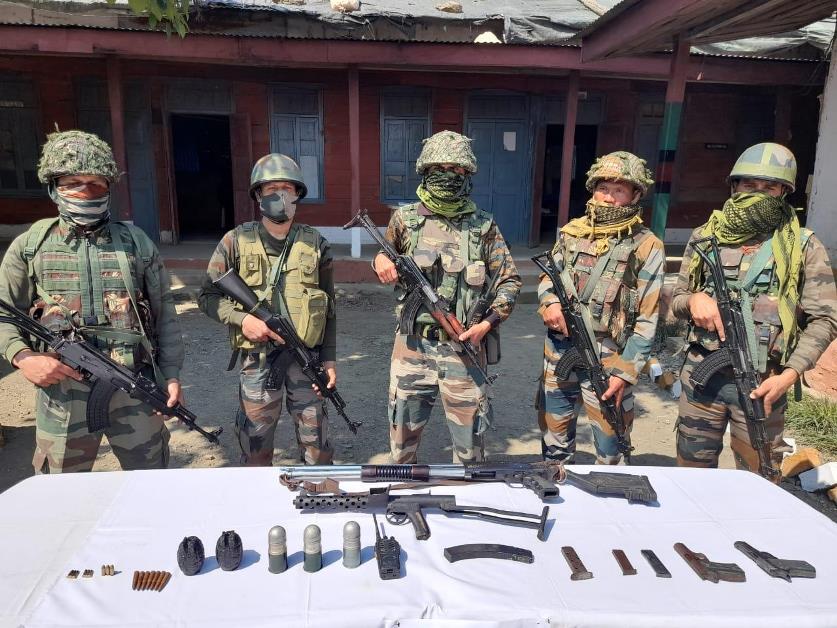
Militancy was rampant, poppy cultivation surged in the hills, drug smuggling rings flourished, and national highways were frequently held hostage by militant-backed civil society organisations. The unchecked influx of illegal immigrants from Myanmar and Bangladesh further destabilised the state’s demographic balance.
It was against this backdrop that Biren launched his reforms not from the comfort of power, but with urgency born of desperation to reclaim the state’s sovereignty. The initiatives he spearheaded Meeyamgi Numit, Go to Village, and Go to Hills were not mere campaigns, but bridges connecting the state to its most marginalised communities
The People’s Chief Minister His approach earned him the enduring moniker Meeyamgi CM the People’s Chief Minister. That title was not a product of political sloganeering but of genuine grassroots recognition. Biren’s administration didn’t rule from ivory towers. It walked the valleys, climbed the hills, and listened truly listened to the hopes and hardships of the people.
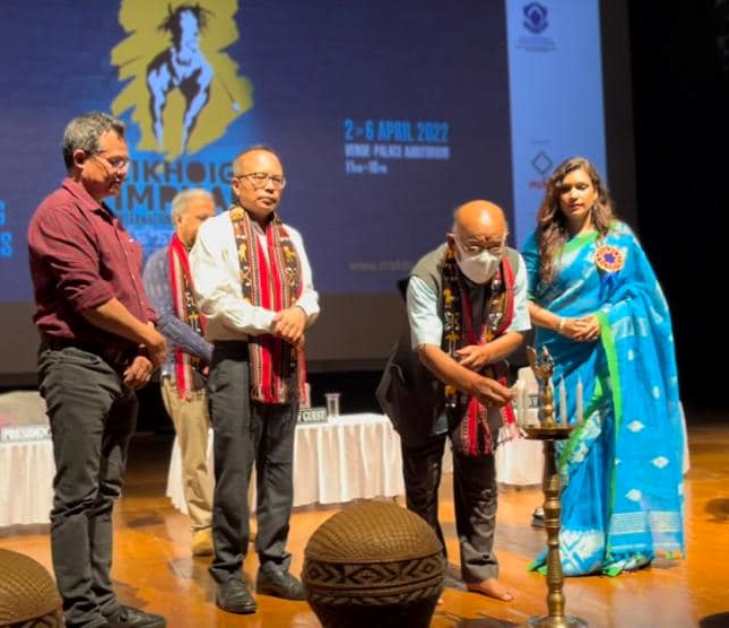
It was a time of transformation. Imphal’s streets began to bustle even after sundown. The cultural spirit of the state was rekindled with national and international events the Femina Miss India 2023 finale and the Hero Tri-Nation football tournament both drew the national gaze to Manipur’s potential.
A state once seen as peripheral began to assert its place on the map. A Relentless War Against Narco-Terrorism and Illegal Immigration“Perhaps Biren’s most defining battle was against the state’s twin scourges: narcotics and illegal immigration. Under his leadership, the state intensified efforts to eliminate poppy plantations and dismantle drug networks.
His bold campaign made enemies, but it also saved countless youths from the grip of addiction. Biren’s warnings about illegal immigration initially dismissed as alarmist now echo through out the Northeast. Today, states like Mizoram, Tripura, Meghalaya, and Assam grapple with the same threats Manipur had been facing for years.
Tripura Chief Minister Manik Saha and Tipra Motha leaders have recently echoed Biren’s concerns, warning that unchecked immigration from Myanmar and Bangladesh risks destabilising the entire region. In Mizoram, the warnings have turned into grim reality.
Refugee influxes have led to surges in cross-border drug trafficking. In 2024 alone, Mizoram’s Excise and Narcotics Department arrested over 3,900 individuals and seized more than 600 kg of methamphetamine four times the amount seized the previous year.
The Fall, and the Unfinished Mission“The violence that erupted on May 3, 2023, marked a tragic turning point. What began as an orchestrated attack on the peace Biren had nurtured quickly spiraled into an ethnic conflict that shattered the state’s fragile equilibrium.
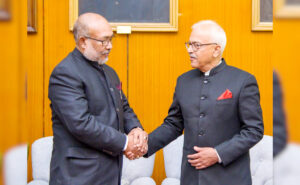
Despite being at the helm, Biren chose not to cling to power. He stepped down voluntarily, placing the state’s long-term stability above his political survival. His critics argue that he stirred the hor- net’s nest. But Biren’s defenders argue that silence had allowed the rot to deepen.
The 2015 Moreh violence, where Meitei homes and businesses were destroyed by a Kuki mob protesting an ILP rally, was emblematic of what happens when governments choose appeasement over accountability. Legacy of a Visionary“Biren’s legacy is more than a catalogue of policy decisions it is a cultural and political awakening.
His administration cracked down on illegal encroachments in protected forests, pushed for clarity in Scheduled Tribe classifications by initiating the delisting of “Any Kuki Tribe,” and laid fencing along 398 km of the Indo-Myanmar border to control infiltration.
In 2019, his government’s implementation of the Inner Line Permit (ILP) system marked a historic shift. It was a protective firewall for Manipur’s indigenous communities, achieved after nearly 70 years of struggle. He was not just a political figure; he was a movement.
Biren ignited a dormant spirit within the Meitei community and across Manipur. He challenged a status quo that had long allowed Manipur to languish as a conflict-ridden frontier In recognition of these efforts, he received the “Champions of Change” award in 2018 from then Vice-President Venkaiah Naidu national validation for what many in Manipur already knew.
A Northeast Crisis Foretold“Today, as other northeastern states reel from the very challenges Biren raised alarm bells about years ago, his foresight seems more prophetic than partisan. The spillover of Myanmar’s internal crisis into Mizoram and Manipur, the rise in narco-terrorism, and the demographic pressures from unchecked immigration these are not isolated threats, but regional ones.
What Biren attempted was to awaken the Northeast to these shared dangers and to forge a path forward. His resignation did not end that mission it simply took it out of the corridors of power and into the hearts of the people. A Dream Deferred, Not Defeated“As Manipur continues to heal from its wounds, the path ahead remains fraught with challenges.
Yet, the gathering at Luwangsangbam was a signal not of a comeback tour, but of a continued commitment. Biren’s message was clear: the dream of Sana Leipak, a golden land, is still alive. We must rebuild. Not with hate, but with courage. Not for power, but for our children,” he said.
If this indeed turns out to be his final political chapter, it will not be remembered for its abrupt end, but for the fire it lit in a people once told they were too small to matter. Biren Singh may no longer hold office, but his imprint on Manipur’s destiny is indelible.
This is not the end of Manipur’s story it is a pause before the next great chapter. And somewhere in the hills and valleys of this troubled yet resilient state, that story is still being written.

Know More – Apply Here