


The Long Arc of Women’s Cricket in India
 KRC TIMES Desk
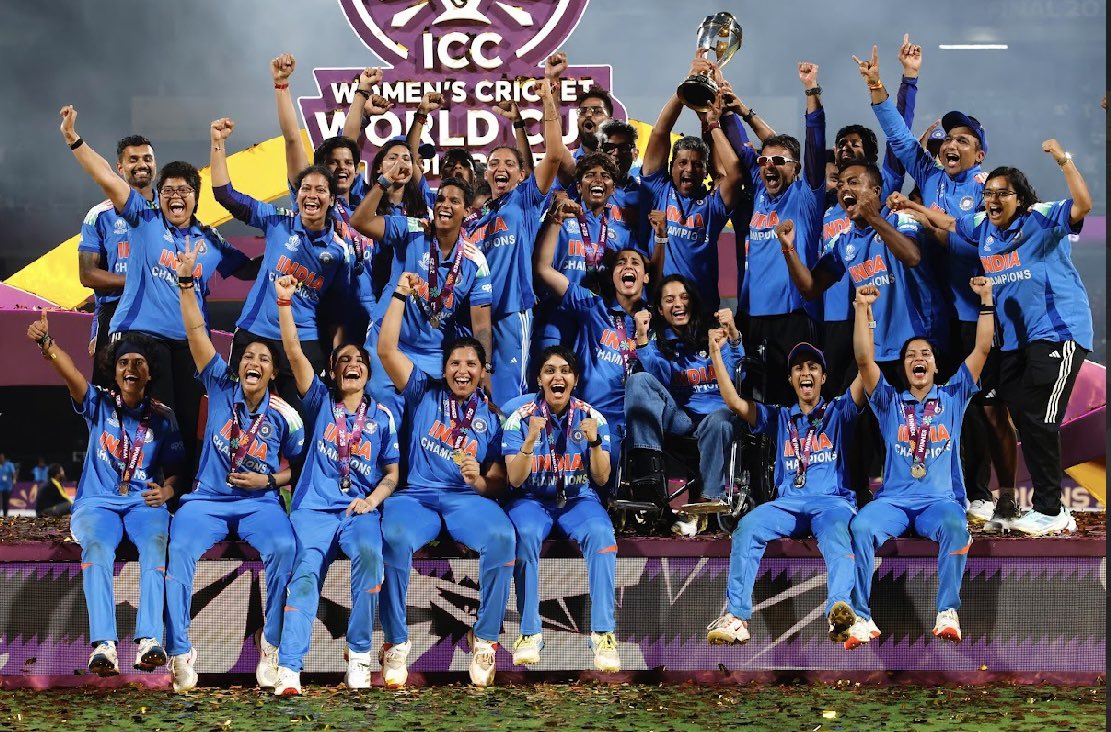
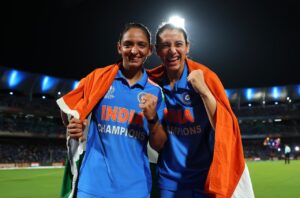
When Mithali Raj spoke about earning Rs.1,000 per game during the 2005 Women’s World Cup, it wasn’t nostalgia—it was a reminder of how far women’s cricket has come, and how much it once demanded of those who played it. Nearly two decades later, as India’s women lift the 2025 World Cup, her words hit differently. They aren’t just about money; they’re about what it took to get here.
Back in the early 2000s, women’s cricket in India survived on grit and goodwill. The Women’s Cricket Association of India, running on little more than enthusiasm, had no sponsors, no media attention, and no financial muscle. Players travelled in general compartments, lugged their own gear, and sometimes returned home with barely enough to cover expenses. Passion wasn’t a slogan—it was the only fuel available.
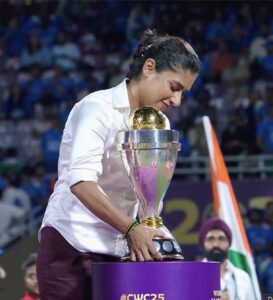
Mithali’s generation played for pride, not paychecks. Their struggles built the foundation for the professionalism that today’s players inherit. When the BCCI took women’s cricket under its wing in 2006, it didn’t just reorganize a sport—it legitimized it.
Payments became structured, contracts were introduced, and for the first time, women could think of cricket as a career, not a costly hobby.
The real turning point came in 2022, when the BCCI announced equal match fees for men and women. It wasn’t charity; it was recognition. A Test match now brings Rs.15 lakh, an ODI Rs.6 lakh, and a T20I Rs.3 lakh—the same across genders. That one decision placed India among the few nations that treat women cricketers as equals in the most tangible way possible.
What this journey shows is that progress in sport isn’t just about winning titles; it’s about changing structures. It’s about making sure that the next generation doesn’t have to choose between talent and livelihood.
Mithali Raj’s story has come full circle—from counting rupees after a World Cup to watching a team of full-time professionals lift one. The women who once played for nothing now play for everything.
The victory belongs to the players on the field, but the respect belongs equally to those who came before them, who played in silence so that today’s cheers could be this loud.
Promotional | North East Integration Rally