Time to act now
 KRC TIMES Desk
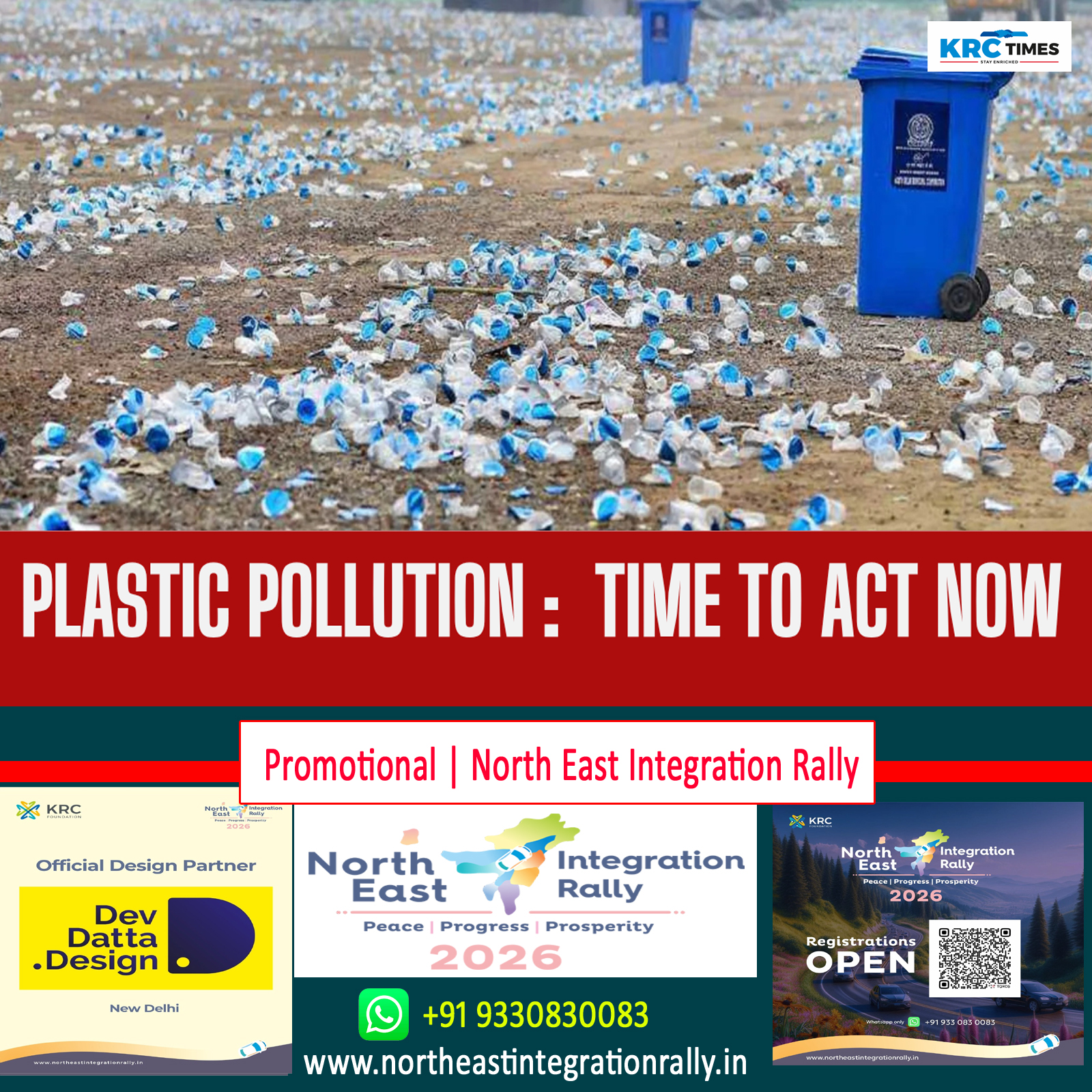
Humanity stands at a strange and dangerous crossroads. On one hand we celebrate technological triumphs touching the edges of space dreaming of making distant planets habitable. On the other hand we continue to destroy the only planet that has supported life for millions of years. The destruction is not dramatic like a nuclear explosion nor sudden like an asteroid strike.
It is slow silent and normalized. Plastic pollution toxic air contaminated water rising temperatures and collapsing ecosystems are dismantling Earth piece by piece. We do not need a nuclear bomb to end life on this planet. Plastic pollution and environmental neglect are already enough.

The scale of plastic production alone should alarm every thinking mind. The world now produces more than 380 million tons of plastic every year. This figure is not just a statistic it is a reflection of a system built on convenience profit and disposability.
Plastic production today is estimated to be more than 230 times higher than it was in 1950. Factories operate around the clock manufacturing bottles packaging synthetic fibers caps disposable items and countless products designed for short term use but destined to persist in the environment for centuries.
A single industrial setup can manufacture hundreds of thousands to millions of plastic items in a single day. Plastic bottles alone are produced at staggering rates with some facilities capable of making a million bottles daily. Caps injection molded by automated machines reach outputs of hundreds of thousands per day.
Manufacturing plants process several tons of plastic products daily while upstream oil extraction feeds this system relentlessly. One oil drilling rig can extract thousands of barrels of oil every day enough to generate hundreds of tons of plastic. When production operates at this scale asking individuals to simply stop using plastic becomes a hollow and dishonest appeal.

Society is repeatedly told to reduce plastic use while industries continue to flood the market with plastic products. This contradiction exposes the core of the crisis. Plastic is not just a consumer problem, it is a systemic failure.
When plastic is produced in such volumes it will inevitably be used discarded and mismanaged. The burden of responsibility cannot be shifted solely onto individuals while production remains unchecked and regulation weak.
The real danger of plastic lies in its permanence. Plastic does not disappear. It only breaks down into smaller and smaller fragments. Plastic bags can persist for decades or centuries. Plastic bottles take around 450 years to degrade.
Styrofoam disposable diapers fishing lines and synthetic packaging can last hundreds of years. Even after visible degradation plastic remains in the form of microplastics contaminating soil water and living organisms.
Microplastics are now everywhere. They are present in oceans rivers lakes agricultural soil air dust and food. They have entered the human body silently without consent. Scientific studies have detected microplastics in human blood lungs liver heart brain placenta testes and breast milk. Exposure begins even before birth. Infants excrete microplastics in their feces demonstrating how early contamination begins.

Plastic enters the human body through ingestion inhalation and skin contact. Food and water are major pathways. Seafood salt bottled water packaged foods and even fruits and vegetables carry plastic particles.
Airborne fibers from synthetic clothes, carpets upholstery and household dust are inhaled daily. Personal care products packaging and clothing allow dermal exposure. This is not accidental contamination, it is continuous unavoidable exposure in a plastic saturated world.
The health implications are deeply concerning. Microplastics can trigger inflammation and immune responses. They may cause cellular damage oxidative stress and disruption of normal biological processes. Emerging evidence links microplastic exposure to cardiovascular risks including blood vessel inflammation clot formation heart attacks and strokes.
Reproductive health is affected with concerns about fertility hormonal disruption and developmental issues. Chemicals associated with plastics such as bisphenols phthalates and flame retardants are known endocrine disruptors and have been linked to increased cancer risk neurological effects and metabolic disorders.

Air pollution compounds this crisis. Plastic production burning waste and fossil fuel dependence release toxic pollutants into the atmosphere. Poisonous air has become a greater daily threat than many diseases. Fine particulate matter nitrogen oxides sulfur dioxide and volatile organic compounds penetrate deep into the lungs and bloodstream.
Respiratory diseases asthma cardiovascular conditions and premature deaths are rising globally. In many cities breathing clean air has become a privilege rather than a right.
Water pollution further accelerates human and ecological suffering. Rivers, lakes, groundwater and oceans are contaminated by industrial discharge sewage agricultural runoff and plastic waste. Polluted water spreads diseases that humanity should have eliminated long ago.
Cholera, typhoid, dysentery hepatitis A gastroenteritis giardiasis and cryptosporidiosis continue to affect millions particularly in vulnerable communities. Chemical contamination causes arsenicosis, fluorosis skin disorders organ damage and increased cancer risk. Polluted water is not only a health issue, it is a moral failure.
Oceans reveal the most visible scars of plastic pollution. An estimated 150 million metric tons of plastic already exist in marine environments with millions of tons added each year. Trillions of plastic particles float on the surface settle on the seabed and infiltrate the deepest ocean trenches.

Massive accumulation zones such as the Great Pacific Garbage Patch are symbols of unchecked waste. Plastic pollution reaches even the Arctic exposing the global nature of the crisis.
Marine life suffers immensely. Fish seabirds turtles whales and countless species ingest plastic mistaking it for food. Studies show that around 90 percent of seabirds have ingested plastic. Entanglement ingestion, internal injury, starvation and death have become routine outcomes for wildlife.
Climate change magnifies every environmental problem. Rising global temperatures, melting glaciers, erratic, weather, extreme heatwaves, floods, droughts and sea level rise threaten human civilization. Glaciers which act as freshwater reservoirs are retreating rapidly jeopardizing water supplies for millions.
Plastic production and disposal contribute significantly to greenhouse gas emissions throughout their life cycle. From fossil fuel extraction to manufacturing transportation and waste incineration plastic is a climate accelerant.
The irony is painful. While ancient civilizations respected nature, modern society exploits it. Our ancestors recognized the interconnectedness of life. Trees were revered, rivers were worshipped as mothers mountains were sacred and land was protected through cultural values.
This was not superstition, it was ecological wisdom. Today that wisdom has been replaced by short term profit and consumerism. Nature is treated as a resource rather than a living system.

Animals now struggle to survive in habitats polluted by human activity. Land water air and even the sky are contaminated. Wildlife faces extinction not because of natural selection but because of human negligence. Biodiversity loss weakens ecosystems reduces resilience and destabilizes the planet. The collapse of one species affects many others including humans.
The crisis we face is not technological. It is ethical. We have the knowledge to reduce plastic pollution control emissions, clean water protect ecosystems and transition to sustainable systems.
What is lacking is political will, corporate accountability and collective responsibility. Environmental damage is often normalized, dismissed or postponed for future generations to handle. But the future has already arrived.
Protection of the planet requires systemic change. Plastic production must be regulated and reduced at the source. Single use plastics should be phased out and alternatives promoted. Extended producer responsibility laws must hold manufacturers accountable for waste throughout the product lifecycle. Recycling alone is not sufficient and often misleading. Reduction, reuse and redesign are far more effective.

Transitioning to a circular economy is essential. Products should be designed for durability, repair and reuse. Materials should be non toxic biodegradable or truly recyclable. Innovation must prioritize sustainability rather than speed and profit. Fossil fuel dependence must be reduced through renewable energy adoption, clean transportation and energy efficiency.
Air quality standards must be enforced strictly. Industrial emissions, vehicle pollution, waste burning and construction dust require strong regulation and monitoring.
Access to clean air is a basic human right. Similarly water protection must be prioritized through wastewater treatment pollution, control safe sanitation and protection of freshwater sources.
Public awareness plays a critical role. Education should emphasize environmental literacy from early childhood. People must understand the long term consequences of daily choices. However awareness without structural change is insufficient. Governments corporations and institutions must lead by example.
Healthcare systems must recognize environmental pollution as a major determinant of health. Preventing pollution is far more effective than treating pollution related diseases.

Environmental protection is not separate from public health it is central to it. Global cooperation is necessary because pollution does not respect borders. Plastic produced in one country contaminates oceans and ecosystems worldwide. Climate change impacts every nation regardless of responsibility. International agreements must move beyond promises to enforceable action.
At an individual level mindful consumption still matters. Reducing unnecessary plastic choosing sustainable products conserving water energy and supporting environmental initiatives contribute to change. But individuals cannot compensate for industrial scale destruction alone. Responsibility must be proportionate to impact.
The idea that humanity needs a catastrophic event to wake up is flawed. We are already living in a slow motion catastrophe. The damage is cumulative irreversible and deeply unjust affecting the poorest and most vulnerable first. Waiting for dramatic destruction means accepting collapse as inevitable.
We do not need a nuclear bomb to destroy Earth. Plastic pollution toxic air contaminated water rising temperatures and ecological collapse are already dismantling the foundations of life. This is not alarmism, it is documented reality. The choice before humanity is clear. Continue on the current path and face irreversible loss or act decisively to protect the planet that sustains us.
Earth does not need saving from an external enemy. It needs saving from human indifference. The responsibility is collective, the time is now and the cost of inaction is far greater than the cost of change.
Promotional | North East Integration Rally