


At the heart of Holi lies the sacred bond between Krishna and Radha a relationship that transcends ritual and reflects the intimacy between the human soul and the Divine
 KRC TIMES Desk
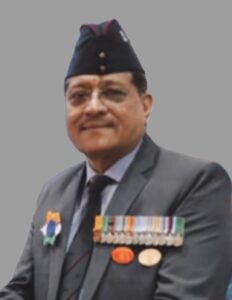
Col (Dr.) Ashwani Kumar, MiD, VSM (Retd.)
From Braj to the Northeast, A Celebration Beyond Geography.
Holi is not noise, it is civilizational music.
It is not a mere colour, it is equality made visible.
It is not chaos, it is divine play in motion. From Braj to the Northeast, love remains India’s strongest unifying force.
India does not merely celebrate festivals, it lives them. Among its most vibrant celebrations stands Holi, often reduced to colour and festivity, yet deeply rooted in philosophy, devotion, and the profound idea of divine love. Holi is not about colour alone. It is about dissolving distance.
The Spiritual Core.
At the heart of Holi lies the sacred bond between Krishna and Radha a relationship that transcends ritual and reflects the intimacy between the human soul and the Divine.
In Braj, Krishna’s playful colouring of Radha was not mischief, it was Leela called divine play. In Indic thought, the Divine does not merely govern the universe. He participates in it.
This is Holi’s enduring message:-
Love without hierarchy.
Joy without inhibition.
Devotion without fear.
When colour touches the face, identity softens. Social distinctions fade. For a brief moment, equality is not preached, it is experienced.
A Soldier’s Memory: Northeast, 1993.
I recall celebrating Holi in 1993 while serving at Tusam Post in Manipur. It was far from Mathura and Vrindavan, yet the spirit was unchanged.
In Manipur, Holi is celebrated as Yaoshang, a graceful confluence of Vaishnav devotion and Meitei tradition. Moonlit Thabal Chongba dances, temple prayers, and disciplined festivity reflected quiet dignity and warmth.
Uniformed soldiers and local youth stood coloured alike along the highway toward Ukhrul and Kohima, Rank dissolved. Region became irrelevant, That day, colour became a bridge. In Assam, the festival lives as Doul Utsav, shaped by the Bhakti movement of Srimanta Sankardev. Devotion travelled east not by force, but by acceptance.
Holi in the Northeast is not a borrowed custom, it is civilizational integration.
Holi at an Operational Post: Spring in Combat Uniform.
Holi in the plains is colour, music, and abandon.
Holi at an operational post is discipline wrapped in quiet resolve. On 10 March 1993, we celebrated Holi not in white kurta, but in combat uniform. Jungle boots replaced sandals. A rifle hung where a pichkari might have been. There were no heaps of gulal.
No flower petals. No carefree laughter echoing through neighbourhood lanes. The post remained alert.
Colour was scarce sometimes just a faint smear respectfully applied on the forehead. Even that modest touch carried warmth. Strangely, the absence of abundance deepened the meaning.
The field cookhouse prepared what limited rations permitted,
Besan pakoras of potato and onion. Finger chips. Roasted peanuts shared in steel plates.
A festive lunch of poori and sabji and seviyan for sweetness. And yes, a regulated peg of Rim Old Monk .
Even celebration followed command discipline. The drink was controlled under the supervision of the Company Havildar Major and a non-drinking officer or JCO detailed as duty officer. Quantity fixed. Timing monitored. Weapons always within reach.

Vigilance never relaxed. Some spirited young soldiers would attempt to collect the unused peg of a non-drinker. It worked until discovered. Once caught, they were marched before the Company Commander. Punishment followed as long patrol or seven days out for ops duty, for corrective, never harsh. For in the Army, even joy has structure.
But what endures in memory is not the food or the drink. It is the sight of a soldier, lightly coloured on the forehead, standing sentry. One hand on his weapon. Eyes scanning the ridgeline. Mind alert to the slightest movement.
Spring had arrived on the calendar, but the operational situation remained unchanged. That is how a soldier celebrates Holi in the field area. With restraint instead of revelry. With duty instead of dance. With colour on the cheek and responsibility on the shoulders. There are no loud drums.
There is only quiet pride. While the nation plays with colours in safety, somewhere a soldier in jungle boots ensures the festival remains undisturbed. Perhaps that is the deeper meaning of Holi. Not merely divine play, But disciplined devotion.
The Civilizational Message.
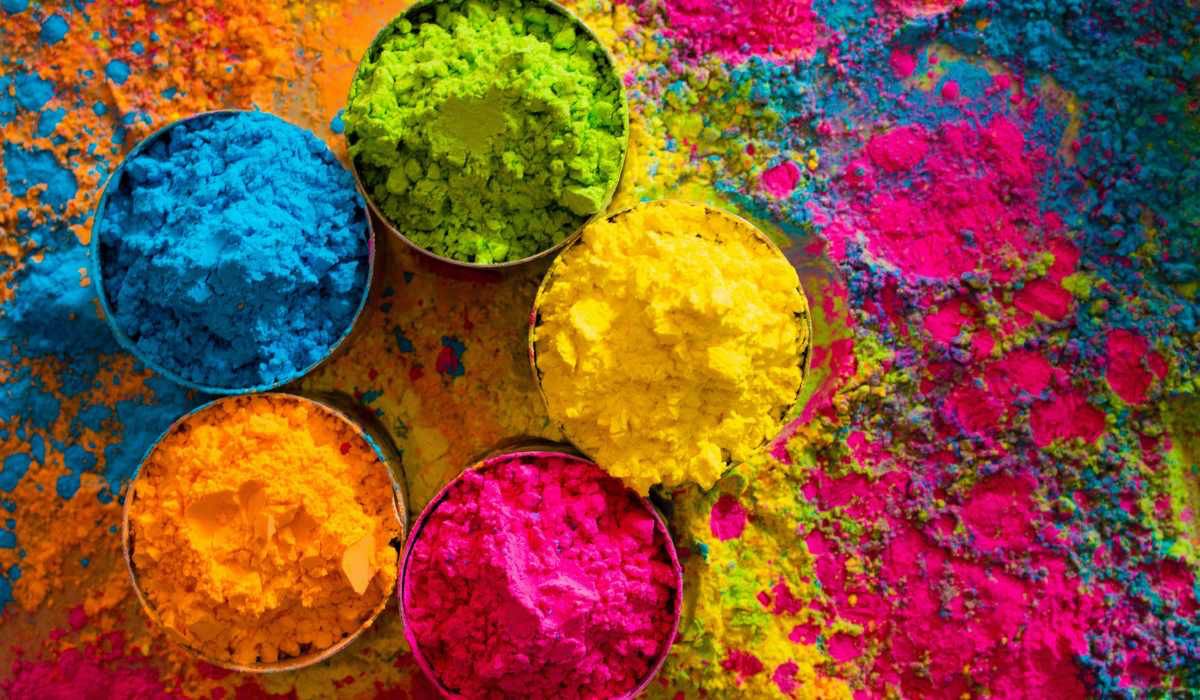
Holi begins with the sacred fire of Holika Dahan a day before, symbolizing the triumph of faith over arrogance. It culminates in colour a celebration of renewal. Red signifies vitality. Yellow reflects devotion.
Green suggests harmony.
Blue evokes infinity. Together, they compose a theology of joy. In an age of hardened identities and sharp divisions, Holi reminds us that joy is collective and love is fearless. When Krishna coloured Radha, geography disappeared.
And in 1993, in the distant hills of the Northeast, I witnessed that truth firsthand. Holi does not ask where you come from. It simply asks you to belong.
About the Author.
Col (Dr.) Ashwani Kumar, MiD, VSM (Retd.) is a decorated Army veteran with distinguished service in operational and intelligence domains, including extensive tenure in the Northeast. He has also served in senior academic and strategic leadership roles, bringing institutional depth and field insight to his civilizational reflections. He writes under the pen name Ashk Machhanvi.

