


The Tasks Before the New Chief Minister ofManipur
 KRC TIMES Desk
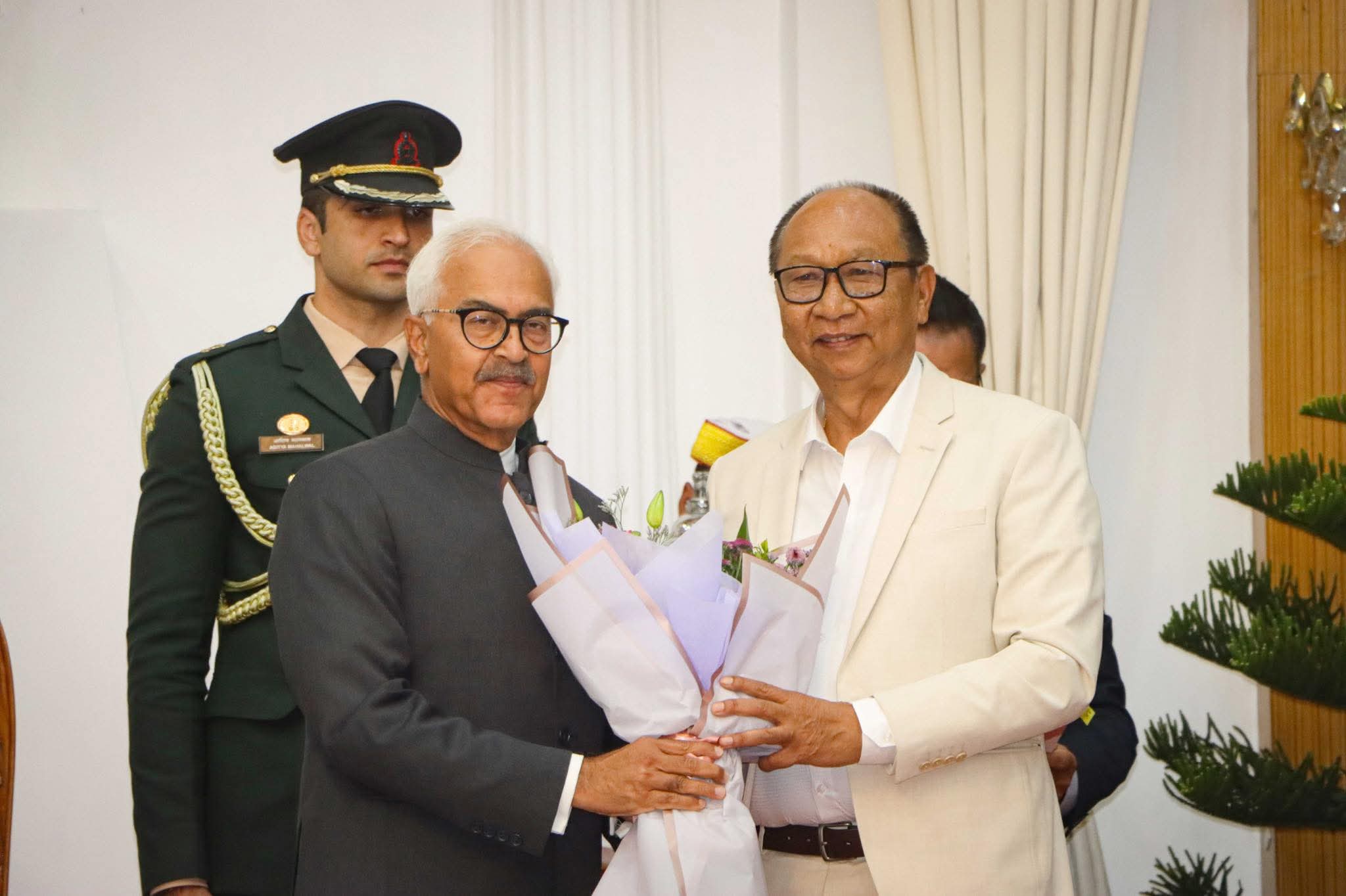
Col (Dr.) Ashwani Kumar, MiD, VSM (Retd.)
The swearing-in of Yumnam Khemchand Singh as Chief Minister of Manipur marks a significant moment in the state’s return to structured democratic governance after a prolonged period of unrest, uncertainty, and administrative strain. His initial articulation of priorities, peace, development, and inclusive governance, sets the tone for what must now become a carefully sequenced roadmap toward stability and reconciliation.
At a time when public confidence has been tested and communities have endured displacement and disruption, the formation of a new government offers both reassurance and responsibility. The immediate challenge before the Chief Minister is not only to administer but to heal, to restore trust in institutions, and to ensure that governance is seen as fair, responsive, and inclusive.
Restoring Administrative Confidence.
The first and most urgent task for the new government will be the restoration of administrative normalcy across the state. Relief and rehabilitation of displaced families, reopening of schools and markets, and revival of local economic activities must be prioritized. Governance must be visible at the district and grassroots levels, with clear lines of communication between the administration and the public.
Neutral and professional functioning of the civil administration and police will be essential. In conflict-affected environments, the perception of fairness can determine whether stability holds.
Transparent decision-making and regular public communication from the government can help rebuild confidence. Peace as the Central Priority, Chief Minister Khemchand Singh has rightly placed peace at the center of his agenda. However, peace in Manipur must go beyond the absence of violence. It must involve the rebuilding of trust among communities, the creation of safe conditions for the return of displaced persons, and the reopening of civic and social spaces.

Structured dialogue mechanisms involving community leaders, civil society organizations, and representatives from different regions and ethnic groups will be essential. Peace committees at local levels and sustained engagement across divides can help transform a fragile calm into durable stability.
Development as a Stabilizing Force.
The new Chief Minister has also emphasized development as a guiding priority. Economic revival and infrastructure restoration must accompany efforts at reconciliation. Support for small businesses, agriculture, and youth employment will be critical in preventing further alienation and restoring normal life.
Development initiatives must be visibly inclusive and regionally balanced. Equitable distribution of resources and opportunities can reinforce the message that governance is for all communities.
Justice and Accountability.
A credible peace requires credible justice. Allegations of violence, displacement, and property loss must be addressed through transparent and time-bound mechanisms. Compensation frameworks, legal processes, and institutional accountability must be pursued without selectivity.
The rule of law must be seen to function impartially. Justice delivered fairly and promptly can help rebuild confidence across communities and strengthen democratic legitimacy.

Inclusive Governance.
The composition of the new government, with representation from different communities, reflects an acknowledgment of Manipur’s diversity. The challenge now will be to sustain that inclusivity in governance. Continuous consultation with civil society, student groups, women’s organizations, and local leadership will be essential in ensuring that policy decisions reflect broad consensus rather than narrow interests.
Inclusive governance will also require sensitivity to historical grievances and regional concerns. A consultative approach can help prevent polarization and encourage cooperative problem-solving.
Partnership with the Centre.
The support of the Union Government will remain important for financial assistance, security coordination, and developmental initiatives. At the same time, the state government must be empowered to function with authority and accountability within the constitutional framework. Effective coordination between state and Centre will be key to long-term stability.
A Moment of Responsibility.
The people of Manipur have endured months of uncertainty and disruption. They now look to the new Chief Minister for reassurance, direction, and credible action. The emphasis on peace and development provides a necessary foundation, but the success of this democratic reset will depend on sustained governance, transparent institutions, and inclusive dialogue.
This is a moment of cautious hope. The restoration of an elected government has restarted the democratic process. The responsibility now lies in ensuring that this process leads to reconciliation, stability, and renewed public trust.
Manipur stands at a delicate but important turning point. If approached with balance, empathy, and firmness, the present moment can evolve into a genuine pathway toward peace and development. The expectations are high, and rightly so. The opportunity is equally significant.
About the Author.
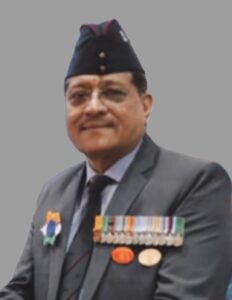
Ashk Machhanvi is the pen name of Col (Dr.) Ashwani Kumar, MiD, VSM (Retd.), a decorated Indian Army officer with extensive operational experience in sensitive regions of the country. Following his military service, he has remained engaged in strategic and political analysis, writing on governance, national security, and conflict resolution.
Drawing upon field experience, academic grounding in political science, and years of public service, he offers a practitioner’s perspective on democratic processes, stability, and policy challenges, particularly in India’s border and conflict-affected states.
The views expressed are personal.

