

Arunachal Pradesh: Where Mountains Pray and the Nation Keeps Watch
 North East Integration Rally
Ashk Machhanvi
Arunachal Pradesh is not merely India’s easternmost frontier, it is a living confluence of nature, culture, faith, and national security. From the mist-laden valleys of Tenga to the sacred heights of Tawang, this land rises like a natural fortress guarding the nation while quietly preserving some of the richest cultural traditions and ecological wealth of the subcontinent.
Land of Rivers, Forests, and Living Traditions.
Arunachal Pradesh is shaped by water. Mighty rivers such as the Kameng (Jia Bharali), Subansiri, Siang, and Lohit, along with innumerable snow-fed nalas, descend from the Eastern Himalayas, carving deep valleys and sustaining life across the region. These waterways are not mere geographical features, they are cultural arteries, woven into folklore, rituals, and daily living.
The forests of Arunachal are among the most biodiverse in India home to bamboo groves, rare orchids, alpine meadows, and dense evergreen rainforests. For centuries, indigenous communities have lived in equilibrium with this environment, practising sustainable traditions that modern development would do well to learn from.
Tenga to Tawang: A Cultural and Spiritual Corridor.
The journey from Tenga Valley to Tawang is among the most evocative routes in the country. Tenga, resting along the Kameng River, reflects the quiet resilience of frontier life, where Monpa traditions coexist naturally with a strong military presence. The warmth, dignity, and simplicity of the people leave an indelible impression, reinforcing the sense that culture here is lived, not displayed.
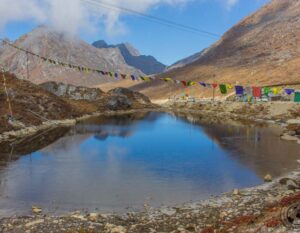
Further north, Tawang stands as a spiritual beacon. The iconic Tawang Monastery, the largest in India and second largest in the world, is a custodian of Himalayan Buddhist heritage. Festivals such as Losar and Torgya reveal a civilisation rooted in prayer, discipline, and harmony values that have sustained life in high altitudes for generations.
Through a Soldier’s Eyes: Nature, Faith, and Duty.
For a soldier posted in this region, Arunachal Pradesh reveals itself not just as terrain, but as a teacher. Long patrols through pine-lined roads, sudden clearings opening to snow-clad peaks, and rivers roaring far below instil a deep reverence for nature. Visits to monasteries across Tawang, Dirang, and Bomdila are not mere cultural excursions, they become moments of quiet introspection.
In places where prayer wheels turn endlessly and chants echo against the mountains, one understands how faith sustains both the civilian and the soldier in an unforgiving landscape. These monasteries act as anchors of peace in a region otherwise defined by altitude, isolation, and duty.
Bomdila and the Human Face of the Frontier
Bomdila, with its monastery overlooking the valley, represents the human face of the frontier. It is a space where administration, military presence, and civilian life converge seamlessly. Interactions with monks, students, village elders, and traders reflect a rhythm of coexistence that is rare in border regions. For the soldier, Bomdila is not just a posting, it is a reminder that national security ultimately exists to protect people, culture, and continuity of life.
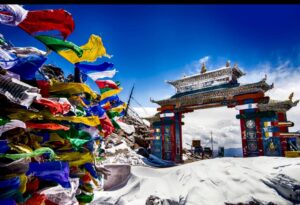
Seen from the Ground: History Written on the Heights.
Having personally travelled through Tenga, Dirang, Sela, and Tawang, the author has witnessed how these mountains are not silent backdrops but living sentinels of history. During the Second World War, this region served as a critical hinterland in the Eastern Himalayas, guarding approaches from Burma and Tibet and supporting Allied logistics under extreme conditions.
The same narrow valleys, high passes, and unpredictable weather that challenged wartime movement continue to define the terrain today. Standing on these ridgelines, one understands why Arunachal was, and remains, a strategic shield, its strength derived from natural dominance rather than overt force.
Lessons from Command: Stories of War, Terrain, and Leadership, An Aide-de-Camp’s Perspective.
The author’s service as Aide-de-Camp (ADC) to a General Officer, who commanded a Brigade in this very sector offered rare insight into the region’s deeper military history. Conversations with the General often return to recurring themes, how terrain dictates tactics, how weather punishes complacency, and how leadership in the high Himalayas demands patience, foresight, and moral courage.
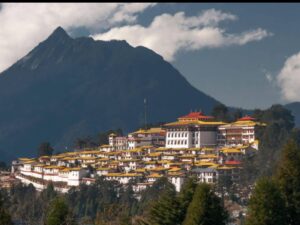
Anecdotes drawn from the General’s, brigade command during periods of heightened tension along the frontier revealed how every ridge, pass, and nala carried operational significance. These narratives transformed scenic landscapes into living maps of decision-making, sacrifice, and preparedness.
A Soldier’s Strategic Reading of the Land.
Author has viewed through a soldier’s analytical lens, Arunachal Pradesh is a masterclass in strategic geography. The alignment of valleys, the dominance of heights, and the natural choke points along river systems explain why observation, mobility, and preparedness are inseparable here. Yet what stands out most is the seamless integration between terrain and population.
Unlike sterile borderlands elsewhere, Arunachal’s frontier villages are vibrant, rooted, and deeply Indian in spirit. This human dimension lends strength to strategy, because a border protected by belonging is stronger than one guarded by force alone.
Sentinel Heights and the Lessons of Aggression.
The legacy of Chinese aggression, particularly the lessons of the 1962 conflict, remains etched into these mountains. The towering heights around Sela Pass, Tawang, and the Kameng sector are not mere geographical features, they are guardians of sovereignty. These elevations dominate observation, control access routes, and protect river valleys flowing into the Indian plains.
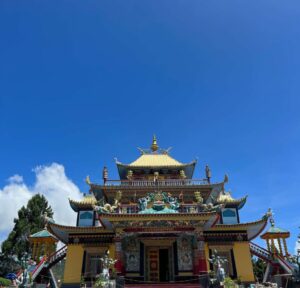
Today, the policies of the new government under strong leadership have improved infrastructure, enhanced connectivity, and forward preparedness ensure that these heights stand secure manned by soldiers operating in some of the harshest conditions on earth, supported by the trust and cooperation of local communities. History here reinforces a timeless military truth, whoever holds the heights holds the future.
Tourism Potential: Promise with Responsibility.
Arunachal Pradesh holds immense potential as a future tourism hub, provided development remains disciplined and sensitive. Adventure tourism, trekking, river rafting, high-altitude cycling, and mountaineering can flourish alongside spiritual tourism centred on monasteries and indigenous belief systems.
From a soldier’s perspective, tourism here must be low-volume and high-value. The very roads once built for strategic mobility can support controlled tourism, logistics created for national security can facilitate access without excess. Eco-tourism, homestays, and cultural circuits connecting Tenga, Dirang, Bomdila, Tawang, Ziro, and Mechuka can generate livelihoods while preserving heritage.
Tourism as Quiet Nation-Building.
If developed responsibly, tourism in Arunachal Pradesh can become an instrument of national integration. Visitors who walk monastery corridors, listen to village elders, and understand the sacrifices made to guard these heights return not merely with photographs, but with perspective.

From a soldier’s point of view, such tourism strengthens the emotional bond between the mainland and the frontier, turning distant borders into shared heritage. In this sense, tourism here is not leisure alone, it is quiet nation-building.
To conclude,
Arunachal Pradesh is a land where nature inspires, faith steadies, and the nation is protected in silence. Its rivers carry ancient memory, its people embody dignity, and its mountains stand watch over India’s future.
As development advances, the responsibility is clear, Arunachal must grow not as a spectacle, but as a model of balanced progress, where tourism, tradition, environment, and national security move forward together. To safeguard Arunachal Pradesh is to safeguard not just a border, but a living heritage and a timeless promise between land, people, and nation.
Author’s Note.
The author is a former military officer and curative historian, who has served extensively in India’s eastern and northeastern sectors. His writing draws upon operational experience, service as Aide-de-Camp to a young officer in the area and visit to Arunachal sector, with a General officer and deep personal engagement with the land, people, and culture of the region by visiting, interacting and studying the cultural heritage of the land.