

From Monks to Mountains to Military: A Traveller’s Journey Through Tawang
 North East Integration Rally
RISHOV BHATTACHARJEE
When I first began the steep ascent from the plains of Assam into the high folds of Arunachal Pradesh, I had no idea that Tawang would leave such a deep mark on me. The district is often spoken of as a land of monasteries, a borderland shaped by history, a frontier guarded by soldiers, but nothing quite prepares you for that moment.
The first rays of light strike the snow-dusted ridges of the eastern Himalayas as chants from Tawang Monastery rise like slow-moving mist. The sound rolls over the sleepy town, passes through pine-laden hills, and disappears into clouds drifting toward the Indo-China border.
It is a sound that has echoed for more than three centuries, a reminder that Tawang is not merely a place, but a living bridge between faith, history, and geopolitical destiny. As the air thins and the clouds drift low enough to touch, Tawang reveals itself slowly, layer by layer, like a story waiting to be read.
A Spiritual Legacy in the Clouds
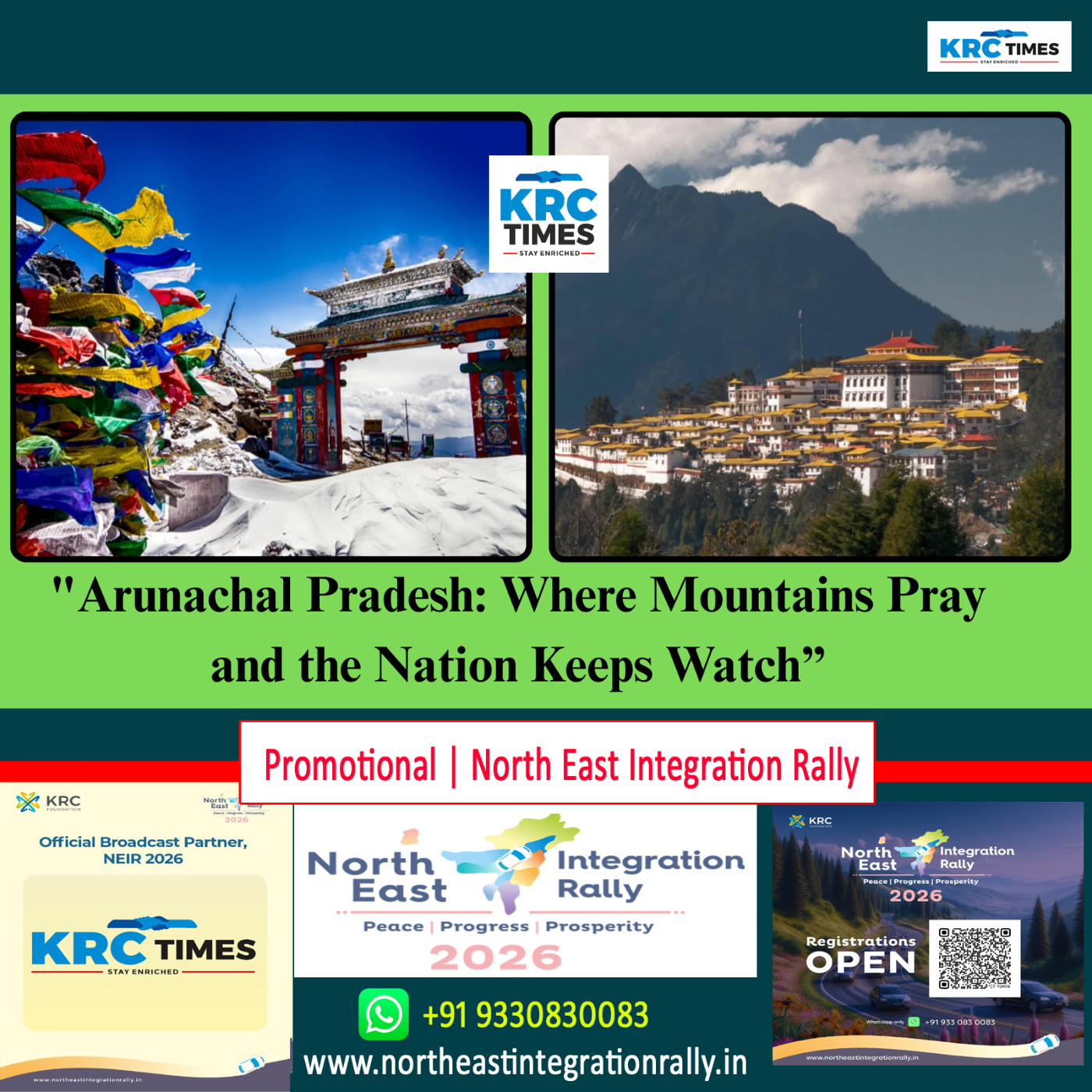
Long before Tawang became a name associated with border tensions, it was a cradle of Mahayana Buddhism in the eastern Himalayas. The 17th-century Tawang Monastery, a sprawling complex perched high above the town, was founded by Merak Lama Lodre Gyatso under the guidance of the 5th Dalai Lama. Today, it stands as the second-largest monastery in the world after the Potala Palace in Lhasa.
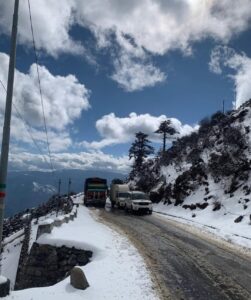
Inside the three-storey Dukhang, the walls glow with centuries-old thangkas and manuscripts. A massive statue of Buddha looks down serenely as young monks recite verses with quiet confidence. It is impossible not to feel humbled, this is not merely a place of worship, but a 350-year-old institution that has shaped the spiritual spine of the region.
A short drive away lies Urgelling Monastery, the birthplace of the 6th Dalai Lama, Tsangyang Gyatso. Unlike the grand monastery, Urgelling is modest, quiet, and surrounded by trees, including the sacred multi-trunk tree linked to his prophecy. Tsangyang Gyatso was a poet-saint, known for his unrestrained verses on love and longing.
Legend says he planted a walking stick before leaving for Tibet, prophesying that he would return when all three trunks of the tree grew to equal height. Centuries later, the 14th Dalai Lama’s arrival in Tawang in 1959, after fleeing Tibet, was seen by many as the quiet fulfilment of that prophecy.
This spiritual aura, layered with folklore and faith, gives Tawang a timelessness that few places can match. Yet beyond its calm, Tawang has witnessed storms of a different kind, conflicts that shaped its destiny.
Where the Mountains Remember War
The serenity of the monasteries feels worlds away when you reach the Jaswantgarh War Memorial, yet both places tell stories of devotion, one spiritual, the other patriotic.
Looking at the memorabilia, letters, and the preserved room of Rifleman Jaswant Singh Rawat, I was struck by how personal the 1962 Indo-China war suddenly felt. The local guide narrated the story with pride, how Jaswant Singh, aided by two Monpa sisters, Sela and Nura, held off advancing Chinese forces for hours, shifting firing positions to give the illusion of a larger defense.
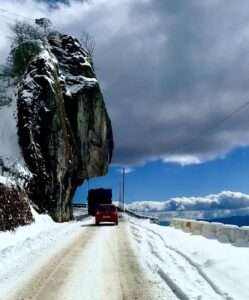
Tragically, Sela was killed during the encounter, and Nura was reportedly captured. Jaswant Singh was eventually martyred, but his bravery became legendary. The Indian Army regards him as a soldier who “continues to guard the post,” maintaining a symbolic room for him at the memorial, his uniform and rifle intact.
A few kilometers beyond lies the climb to Sela Pass. At nearly 13,700 feet, the pass is windswept, stark, and unforgettable. The famous Sela Lake, often half-frozen, mirrors the surrounding peaks. It is easy to imagine how difficult and heroic it would have been to fight here, in temperatures that drop frighteningly fast.
These stories from 1962, painful yet heroic, are now deeply woven into Tawang’s identity. They serve as reminders of the immense human cost of protecting this frontier.
Mountains, Passes, and Lakes: Tawang’s Natural Wonders
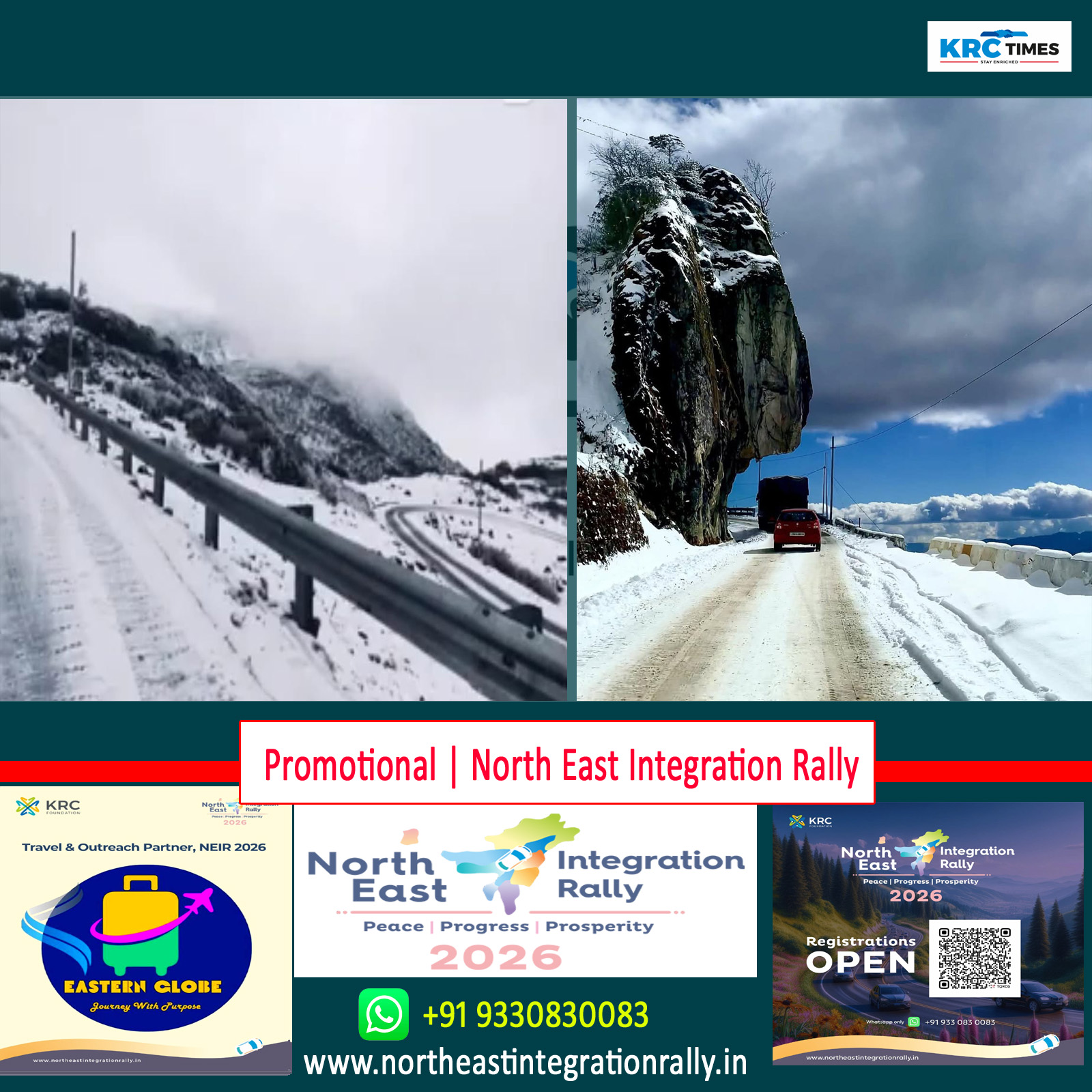
No visit to Tawang is complete without travelling further up to Bumla Pass, one of the most remote and politically sensitive border points between India and China. The road climbs sharply, hugging cliffs and disappearing into dense fog. For stretches, I could see nothing but white, the kind that feels both magical and intimidating.
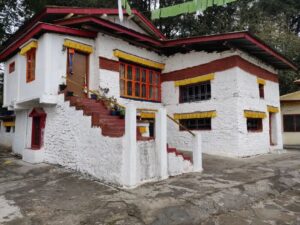
At 15,200 feet, the air is thin, and the winds cut through layers of clothing. Watching Indian soldiers stationed there, calm and composed, I understood why this pass symbolizes both vigilance and diplomacy. Bumla is one of the few designated Border Personnel Meeting points, where Indian and Chinese armies interact. Prayer flags flutter right beside military bunkers, a sight I doubt I will ever forget.
The next stop, Sangetsar Lake, felt like stepping into a painting. Formed in 1950 after a massive earthquake, it is popularly known as Madhuri Lake after a Bollywood sequence shot here. Its deep blue waters are punctuated by fallen tree trunks, surrounded by rugged hills and grazing yaks. The lake is jointly managed by the Indian Army and local communities, a reminder of how deeply intertwined they are in this region.
Even the landscape reflects this dual identity. Prayer flags flutter beside bunkers; serene gompas overlook rugged military trails; and markets sell butter lamps alongside heavy-duty winter gear meant for soldiers.
From Gorichen Peak viewpoint, I watched the clouds part briefly, revealing snow-capped ridges. From the Tawang War Memorial Hill, I saw the town sprawled like a patchwork of colors against a backdrop of cliffs. Every viewpoint told a different story, of nature, resilience, and everyday life shaped by harsh but beautiful terrain.
The New Tawang: Power, Roads, and Progress in the High Himalayas
As a traveler revisiting notes from history and folklore, I also saw a Tawang moving decisively toward modernity.
Arunachal Pradesh, with its vast river systems, is often called India’s future powerhouse. In Tawang district, several hydropower projects have been proposed or are under construction on rivers like the Tawang Chu and Nyamjang Chu.

These projects aim to generate clean energy while improving local employment and connectivity to remote villages. While some remain under debate due to environmental and cultural concerns, there is a clear sense that the region is entering a phase of development driven by sustainability.
Modern Tawang is no longer the remote, isolated settlement it once was. Over the past decade, it has transformed into a region of strategic and cultural significance for India. The Indian Army maintains a robust presence, and upgraded infrastructure, roads carved along cliffs, helipads perched on ridges, and high-altitude camps, ensures readiness against modern challenges. A journey through Tawang often means sharing the road with army convoys weaving their way through mountains thick with fog.
The Border Roads Organisation (BRO) has revolutionized accessibility in Tawang. Roads that once required days of trekking are now motorable, even if challenging. BRO’s flagship achievements include all-weather tunnels near Sela Pass, upgraded roads to Bumla, and improved highways linking Tawang to Bomdila, Dirang, and the Assam plains.
An Evolving Frontier
Tawang today stands at an extraordinary intersection of the old and the new. Monasteries continue their ageless rhythms, war memorials recall the courage of 1962, mountain passes host dialogues between two powerful neighbours, and modern infrastructure reshapes what daily life looks like.
Yet despite all the change, Tawang retains a core of calm resilience. The chanting at dawn still echoes across the mountains. The prayer flags still dance on icy winds. And the people continue to live with the dignity and warmth that has defined this region for centuries.
Festivals like Losar, Torgya, and Choskar still draw communities into vibrant celebration. Handwoven Monpa textiles, yak-milk butter tea, and the soft glow of prayer wheels continue to shape the rhythms of daily life.
Most places offer one kind of experience. Tawang offers many, ancient and contemporary, serene and strategic, poetic and practical. As my vehicle descended the serpentine roads back toward the plains, I replayed images in my mind, the golden monastery at dawn, the snow at Bumla, the haunting beauty of Madhuri Lake, the quiet memorials, and soldiers standing guard at the roof of the world.
Tawang is not a destination you simply visit. It is a place you absorb, slowly, deeply, and long after you leave.