

Northeast India: A Tapestry of Mountains, Cultures, and Untamed Beauty
 North East Integration Rally
SATARUPA ACHARJEE
Northeast India feels like a world of its own. Tucked between the Himalayas and the wide Brahmaputra valley, and sharing borders with Bangladesh, Bhutan, China, Myanmar and Nepal, the region sits at a meeting point of old civilisations, rare ecosystems and evolving modern life.
What makes this corner of the country so compelling is the way its land, people and cultures come together with a sense of quiet intensity.
Start with geography. Arunachal Pradesh, Sikkim and parts of Assam and Nagaland lie along the lower ranges of the Himalayas, where peaks roll into forests and river–cut valleys.
The Brahmaputra threads through the middle like a lifeline, shaping fertile plains that support rice, tea and oilseed cultivation.
The region’s biodiversity is astonishing: over two thousand orchid species, the elusive hoolock gibbon, the famed one horned rhinoceros of Kaziranga, and the world’s only floating national park at Keibul Lamjao in Manipur.
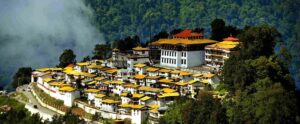
Rain defines much of the northeast, and places like Cherrapunji and Mawsynram receive such immense rainfall that it feeds a labyrinth of waterfalls from Nohkalikai to the roaring cascades hidden in the Khasi hills.
Culture here is lived through festivals that stay rooted in land and community. Assam’s Bihu marks the new year with rhythm and feasting. Nagaland’s Hornbill Festival brings together its tribes every December for dance, sport and shared heritage.
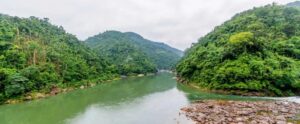
Mizoram’s Chapchar Kut celebrates the end of the jhum clearing season with bamboo dances and community gatherings. Meghalaya’s Wangala resounds with hundreds of drums honouring the Garo deity Misi Salik.
Losar in Arunachal Pradesh and Sikkim ushers in the Tibetan Buddhist new year with masked dances, chants and the glow of butter lamps. These celebrations aren’t just spectacles for visitors; they pass down memory, identity and a sense of belonging.
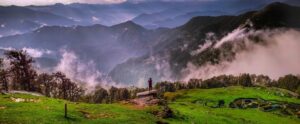
Food reflects the same intimacy with land. Smoked and fermented flavours dominate across the hills and valleys, from Assam’s bhut jolokia to Nagaland’s axone and the warm comfort of Sikkimese thukpa.
Rice takes many forms such as Manipur’s sticky mairam, Meghalaya’s flattened khob, and Assam’s fragrant joha.
Bamboo shoots, wild mushrooms and tart forest fruits add their own signature. Rice beer and rice wine flow freely, and meals are often shared on bamboo trays, turning food into an act of community.

The wild landscapes of the northeast remain one of its strongest draws. Kaziranga’s grasslands shelter most of the planet’s one horned rhinos and invite travellers on elephant safaris and early morning birdwatching. Namdapha in Arunachal Pradesh is a sprawling wilderness where snow leopards, red pandas and rare orchids survive far from human bustle.
The evergreen forests of Dihing Patkai echo with the calls of the hoolock gibbon. Even the small mangrove belts in Assam’s Goalpara, sometimes called the Sundarbans of the Northeast, protect fishing cats and estuarine crocodiles. Many of these areas now rely on eco–tourism, with homestays and community treks that keep both livelihoods and nature in balance.

So why visit the northeast? Because much of it still sits off the typical tourist map. Misty stretches like the Ziro Valley, the sculpted caves of Meghalaya, and the ridge trails across Arunachal offer a sense of discovery that is hard to match.
The region invites travellers to slow down and step into cultures where weaving, mask-making, drumming and age-old oral traditions remain part of everyday life. Adventure seekers find their own rhythm here, whether trekking along remote ridges, rafting the wild Siang, or rising over Tawang on a paraglider. And every meal introduces a new flavour shaped by generations of quiet experimentation.
In the end, the Northeast is more than a cluster of states on a map. It is a living tapestry of mountains, rivers, languages and resilient communities. Its challenges are real, but so are the possibilities it holds. As the country looks eastward, this region stands ready to connect India’s deep heritage with the energy of its future.
Promotional | North East Integration Rally