


The region has eight states, and each one has its own taste, Yet, they share a common soul
 North East Integration Rally
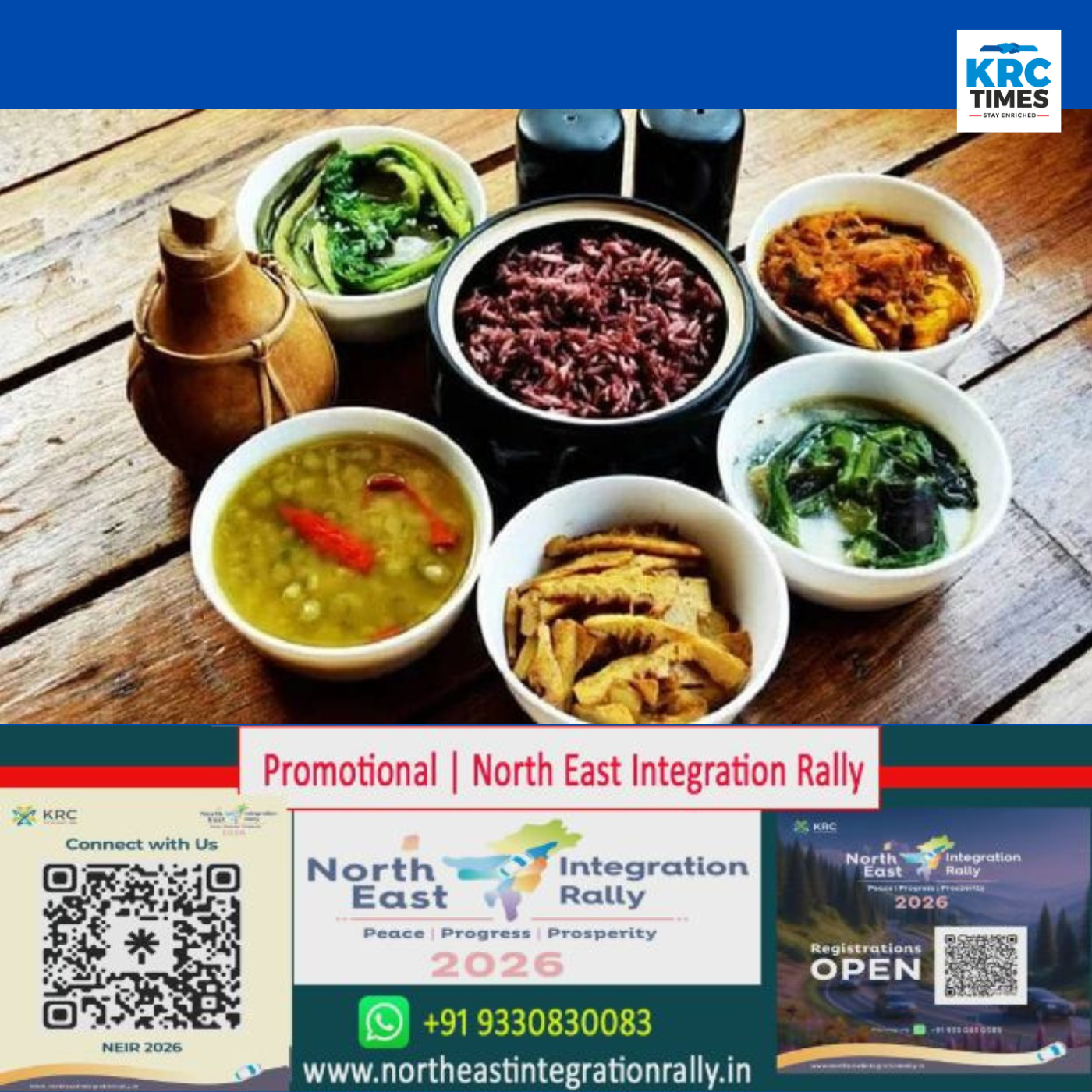
Food from Northeast India speaks in a soft voice. It does not shout with heavy spices or thick oil. It feels close to the land. Close to forests, rivers, hills, and small farms. Each meal tells a story of balance, care, and respect for nature.
The region has eight states, and each one has its own taste. Yet, they share a common soul. Rice is the heart of most meals. It comes plain, sticky, or lightly flavored. Rice is eaten with vegetables, fish, meat, or just a simple chutney. Food here is not rushed. It is slow, warm, and honest.
One striking thing about Northeast food is the use of fresh ingredients. People cook what grows around them. Local greens, herbs, roots, and shoots are common. Bamboo shoot is a favorite. It comes fresh or fermented. It adds a sharp, earthy taste. Fermentation is important here. It keeps food for long and adds deep flavor.
In Nagaland, Axone or Akhuni is well known. It is fermented soybean. Its smell is strong, but the taste is rich and comforting. It is often cooked with pork or vegetables. Smoked pork is another pride of Naga kitchens. Meat is smoked over firewood and kept for days. When cooked, it has a deep, smoky taste that stays long on the tongue.
Manipur has its own special fermented item called Ngari. It is fermented fish. It is used in small amounts but gives big flavour. One famous dish is Iromba. It is a mash of boiled vegetables, often with bamboo shoot and Ngari. It is spicy, sharp, and full of character. It is usually eaten with rice and sometimes with fried fish.
Assamese food is gentle and soothing. Masor Tenga is a classic dish. It is a light fish curry with a sour taste. The sourness comes from tomatoes, lemon, or elephant apple. It is cooked with very little oil. It feels light on the stomach and fresh on the palate. Assam also loves herbs like coriander, mustard greens, and local leaves that grow near water.
Meghalaya brings simple comfort food. Jadoh is a popular dish among the Khasi people. It is rice cooked with pork, onions, and mild spices. Sometimes blood is added, giving it a dark color and deep taste. It may sound unusual, but it is full of warmth and tradition. It is often cooked during gatherings and festivals.
Mizoram offers clean and calm flavors. Bai is a common dish. It is a boiled stew of vegetables, often with bamboo shoot and fermented pork fat. There is no heavy spice. Sometimes a little soda is added to soften vegetables. Bai is usually eaten with rice and a simple chutney. It reflects the Mizo way of life. Simple, neat, and close to nature.
Across the region, cooking styles remain basic. Steaming, boiling, roasting, and smoking are common. Oil is used less. Spices are few. The idea is to let the main ingredient speak. Fish tastes like fish. Greens taste like greens. Meat keeps its natural flavor.

Meat is important in many states. Pork is loved widely. Fish is common near rivers. Chicken is eaten often. Beef is also part of food culture in some areas. Nothing is wasted. Every part is used with care.
Northeast Indian food is also healthy. Less oil, more greens, and fermented items help digestion. Meals are balanced and filling without being heavy. It is food that keeps people strong in tough weather and rough land.
Today, this food is slowly getting attention outside the region. More people are curious. More kitchens are opening. Yet, the real taste still lives in homes, in village kitchens, in smoky huts, and near flowing rivers.
Northeast Indian food is not just about taste. It is about patience, survival, and respect for land. It is food that listens more than it speaks. And once you learn to listen, it stays with you for a long time.
Food from Northeast India keeps things clean and light. Most dishes are boiled, steamed, or smoked. Oil is used very little. Cooking is slow and careful. The aim is not to hide the food, but to respect it. Vegetables stay fresh in taste. Meat stays natural and strong. This style makes the food easy to digest and good for the body.
The flavors are bold but balanced. Sour tastes come from bamboo shoot, fermented fish, lemon, or local fruits. Spice is sharp, not heavy. Pungent smells from fermented items like axone or ngari add depth. Nothing is extra. Every taste has a role. Together, they create food that feels alive and real.
Promotional | North East Integration Rally