It sits quietly in the middle of a wide valley, surrounded by hills that rise like a natural amphitheatre
 North East Integration Rally
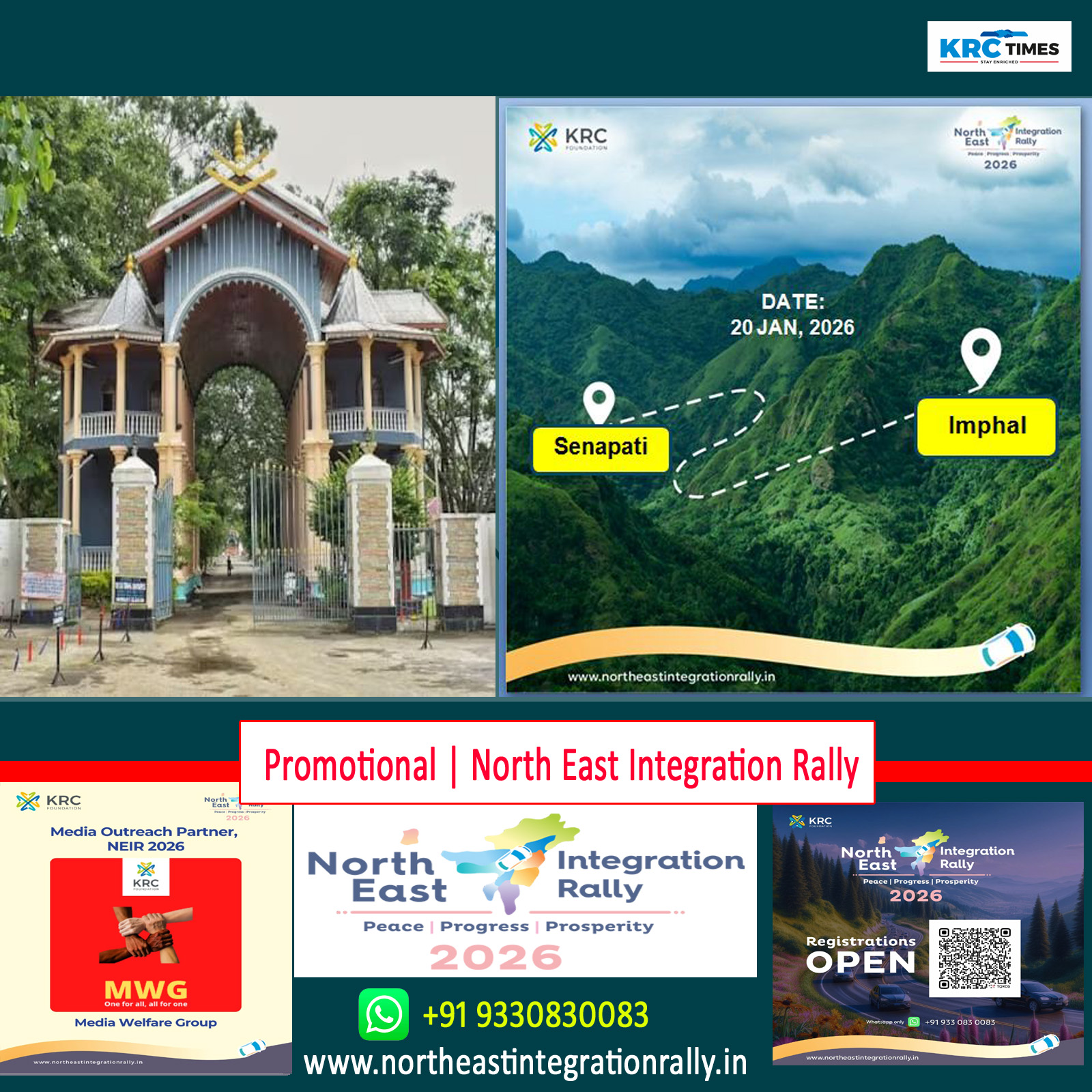
The NEIR 2026 will enter Imphal on January 20. On January 22, it will host the NE Integration Film Festival and Art Festival. The next day, the rally will carry out a series of activities (Kangla Fort, the INA site, and Loktak Lake). Imphal doesn’t try to overwhelm you. It’s not a city that leans on spectacle or size.
It sits quietly in the middle of a wide valley, surrounded by hills that rise like a natural amphitheatre. At first glance, everything feels measured and unhurried. But if you stay long enough, you realise the calm is only the surface. Underneath it lies a place shaped by memory, resilience, and a steady determination to push forward.
The first thing that strikes you is how deeply anchored the city feels. It carries the weight of its past without letting it turn into a burden. Imphal has lived through conflict, seen moments of upheaval, and endured long spells of uncertainty. Yet people here continue building, creating, and showing up for the routines that keep life steady. That balance between remembering and moving on is woven into almost every corner of the city.
One of the clearest expressions of this spirit is Ima Keithel, the women’s market. Before you even reach its entrance, you hear the soundscape of bargaining, laughter, and the rustle of baskets filled with vegetables, spices, handwoven shawls, and tiny crafted items that seem to hold their own stories. The market is run entirely by women, and it has been that way for generations.
The sight of hundreds of mothers and grandmothers holding the economic reins of the city creates an atmosphere unlike any other market in the country. They manage the ebb and flow of daily commerce with an ease that comes from being central to Manipuri society for centuries. If you want to understand the backbone of the city, start here.
A short distance away, the mood shifts when you enter Kangla. The fort sits at the heart of Imphal, but it feels like its own world. The quiet here is gentle but charged. Walk along the pathways lined with old trees, pause near the ponds, and you feel the layers of power and loss that Kangla has witnessed.
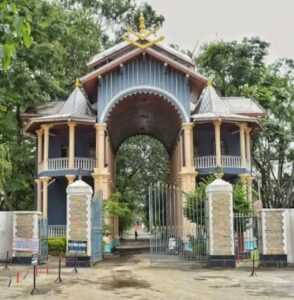
This was once the royal seat of Manipur. It has seen battles, political transitions, and long periods of restricted access. Today, it’s open to the public, and people come not just to learn its history but to feel connected to something larger than themselves. Kangla carries the emotional memory of the state, and you sense that as soon as you step inside.
Even surrounded by history, Imphal is very much alive in the present. You see it in the small cafés that pop up near college clusters, where young people discuss everything from cinema to politics. Sports fields fill up every evening with kids and teenagers who treat play with a kind of disciplined seriousness.
That’s not surprising in a place that has produced some of India’s finest athletes. Sports aren’t a pastime here; they’re part of the city’s identity. You can feel that energy in boxing gyms tucked behind narrow lanes, in football grounds that stay busy until late, and in the stories locals tell with pride about athletes who rose from modest neighbourhoods to national acclaim.
The city’s social texture is shaped by its many communities. Meiteis form the core population in the valley, but Imphal is also a meeting point for people from surrounding hill districts and the Pangal community. Different languages, food habits, and cultural practices mix here, sometimes easily and sometimes uneasily.

The city has seen divisions sharpen and soften over time. People don’t pretend those tensions don’t exist. But they also don’t let them define daily life. Markets continue, work continues, classrooms remain full. Small acts of everyday cooperation keep the city functioning even when the larger political picture looks complicated.
To understand Imphal’s sense of memory, you only need to travel to Moirang and visit the INA Memorial. The drive takes about an hour, but the landscape makes it feel shorter. The museum there marks the place where the Indian National Army raised the tricolour in 1944.
The building is modest, its rooms simple. The power of the place lies in its story. The narrative of resistance and aspiration resonates deeply in Manipur, and you can see that in the way visitors move through the museum, reading carefully, speaking softly. Memory here is not abstract. It’s personal, and it connects generations.

Back in the valley, Loktak Lake shapes the imagination of almost everyone in Imphal. It’s not within the city limits, but it’s close enough to feel like part of the city’s emotional geography. The lake is vast, quiet, and full of life. The floating phumdis drift with the wind, fishermen glide past in slender boats, and in the distance lies Keibul Lamjao, the world’s only floating national park.
The Sangai deer moves with an elegance that has almost become symbolic of Manipur itself: fragile, rare, and deeply rooted. People in Imphal speak of Loktak with a kind of affection normally reserved for childhood memories. The lake offers perspective, a sense of openness that balances the density of life in the city.
Food adds another layer to the city’s character. Imphal’s cuisine doesn’t aim for theatrics. It’s about balance, freshness, and simplicity. Eromba, made with mashed vegetables and fermented fish, tells you everything about the local palate. Nga thongba, singju, ooti, chak-hao kheer—each dish carries the valley’s ingredients, climate, and rhythms. Even the tea, served strong in small roadside stalls, feels like a ritual that anchors the day.

What stands out most in Imphal is how people move through their routines. There’s a quiet determination in the way they approach work, whether they’re shopkeepers, teachers, students, drivers, or vendors. Years of navigating uncertainty have built a kind of inner steadiness. That doesn’t mean life is grim.
Far from it. There’s warmth everywhere, often in the smallest gestures. A driver slowing down to point out a landmark you might have missed. A vendor slipping an extra handful of herbs into your bag. A stranger helping you find your way without making a fuss. That softness is part of the city’s texture, and it reveals itself slowly.
Imphal isn’t trying to compete with big capitals or reinvent itself for attention. It knows what it is: a place shaped by its valley, its history, and the layered strength of its people. It holds its scars without hiding them and finds new ways to grow despite the weight it carries. Spend enough time here and the city settles into you. Not with spectacle, but with honesty, depth, and a pace that teaches you how to listen.