

Kangla is not just a fort- It is where Manipur remembers itself
 North East Integration Rally
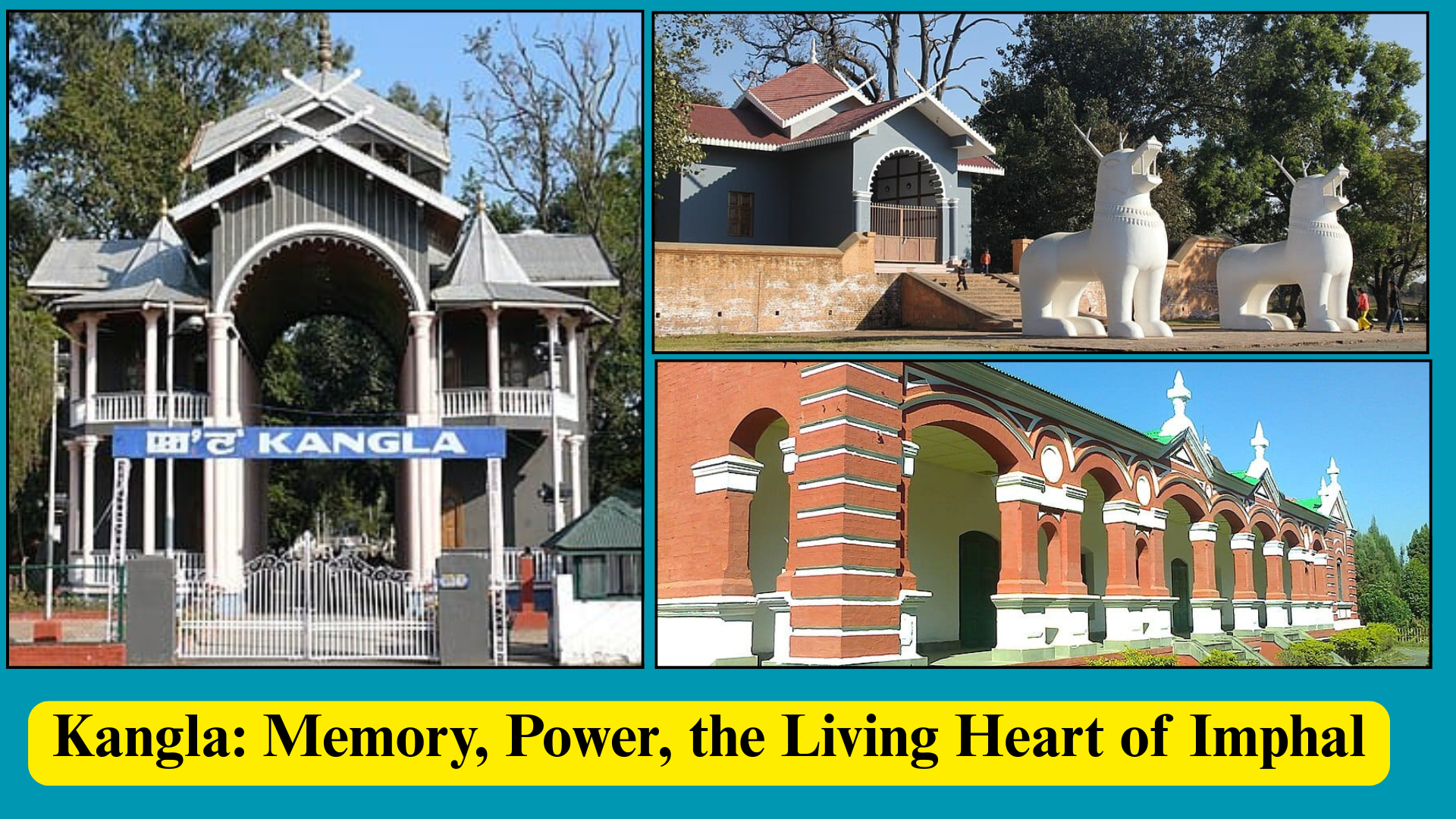
Rising quietly in the middle of Imphal, on the western bank of the Imphal River, Kangla carries the weight of centuries. Once spread across both sides of the river, today it survives in fragments, scarred but standing. Ruins, gates, moats, groves, and open grounds tell a story that no single monument can contain.
The name itself explains its importance. Kangla, from old Meetei, means the prominent part of dry land. In a flood-prone valley, this was power, safety, and permanence. It is no coincidence that the Meitei rulers chose it as their seat of authority.
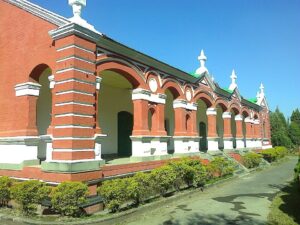
For nearly eighteen centuries, from 33 CE until 1891, Kangla was the administrative and symbolic centre of the Ningthouja dynasty. Decisions that shaped Manipur’s political, cultural, and spiritual life were taken here.
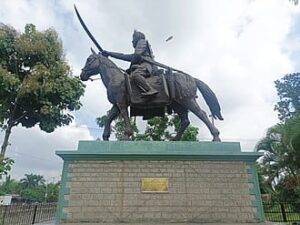
The rise and fall of kings, wars, alliances, rituals, and reforms all passed through these grounds. Kangla was the capital of pre-modern Manipur, but more than that, it was the axis around which the kingdom revolved.
That history is why Kangla is revered. For the people of Manipur, especially the Meiteis, it is sacred ground. It evokes sovereignty, identity, and a time before colonial rule disrupted the region’s political autonomy. Even today, Kangla is spoken of with a reverence usually reserved for temples or ancestral homes. It is a reminder of independence, dignity, and continuity.
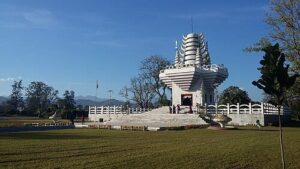
This layered significance is now part of a larger conversation. Kangla is being proposed for recognition as a UNESCO World Heritage Site, with discussions already underway in the Indian Parliament. Such a designation would acknowledge not only its architectural and historical value, but also its cultural depth. Kangla is not frozen in the past. It is a living site, still shaping how people understand Manipur.
Beyond history and symbolism, Kangla breathes.
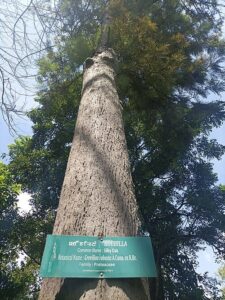
Often called the Lungs of Imphal, the fort complex is heavily forested, offering rare green cover in the heart of a growing city. The dense vegetation moderates temperature, improves air quality, and provides ecological balance in an increasingly congested urban space. This role has become even more critical as Imphal expands and green spaces shrink.
That makes recent concerns about deforestation inside Kangla especially sensitive. Developmental construction over the past few years has led to minor but significant loss of tree cover. For many residents, this felt like a violation, not just of the environment, but of a shared heritage. Kangla’s value lies as much in its trees as in its ruins.
In response, several efforts have been made to restore and strengthen its ecological character.
In 2009, the Kangla Herbal Garden was established by the Kangla Fort Board. The idea was simple but powerful: reintroduce medicinal plants traditionally used in the region and preserve indigenous botanical knowledge. The North East Institute of Science and Technology, Jorhat, through its Lamphel sub-branch, took responsibility for developing the garden.
A year later, the Manipur government provided financial support, contributing ₹6.16 lakh towards the project. Around 131 plant varieties were introduced, including about 20 medicinal species. The garden now nurtures plants deeply rooted in local culture and healing practices: heigru, kihori, agar, neem, tera, singairei, and leihao among them. Spread across 3.5 acres, the herbal garden quietly reinforces the idea that Kangla’s future lies in conservation, not concrete.
This approach continued in later years.
In June 2019, under the Green Manipur Mission, around 700 indigenous fruit-bearing saplings were planted in Nura Heikol, the Women’s Fruit Garden. Earlier known as the Biodiversity Park, the space was reimagined as a living orchard, celebrating both ecology and community. The choice of fruit-bearing trees was deliberate. These were species familiar to local diets and traditions, reinforcing a relationship between land and people.
A few months later, in September 2019, another symbolic act took place. On its 20th foundation day, The Sangai Express, one of Manipur’s leading newspapers, planted around 120 trees inside Kangla. The species included mayokfa, agar, uningthou, teak, chahui, and samba. It was a reminder that institutions too have a role in protecting shared heritage.
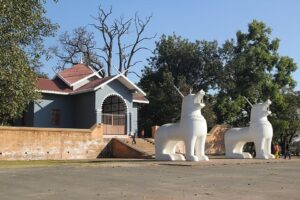
Kangla also houses Engellei Leikol, earlier known as the Rock Garden, located in its southern part. Less talked about, this garden adds another layer to the fort’s evolving landscape, blending natural features with curated spaces for reflection and leisure.
The planting efforts did not stop there. In May 2022, the Institute of Bioresources and Sustainable Development planted around 50 fruit-bearing plants inside Kangla, continuing the emphasis on sustainability and indigenous species.
Looking ahead, the Kangla Fort Board has announced an ambitious plan to plant 10,000 fruit-bearing saplings within the complex. Led by Chief Minister Nongthombam Biren, the initiative signals an official recognition that Kangla’s survival depends on ecological care as much as historical preservation.
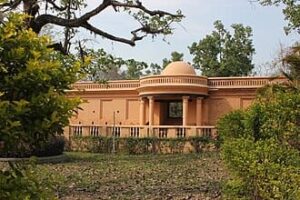
What makes Kangla unique is this convergence. It is at once a royal seat, a sacred site, a forest, a botanical reserve, and a public space. Few places carry so many roles without losing coherence.
Walk through Kangla today and you feel it. The silence is not empty. It is layered with memory. Trees stand where kings once walked. Gardens grow where armies once assembled. The ruins do not ask for nostalgia. They ask for responsibility.
Kangla does not belong only to history books or government files. It belongs to the people who see it as the heart of Imphal and the soul of Manipur. Preserving it is not about restoring the past. It is about allowing history, culture, and nature to coexist, breathing together, in the middle of a changing city.
Promotional | North East Integration Rally