

NEIR 2026 will reach the iconic Itanagar on January 13
 North East Integration Rally
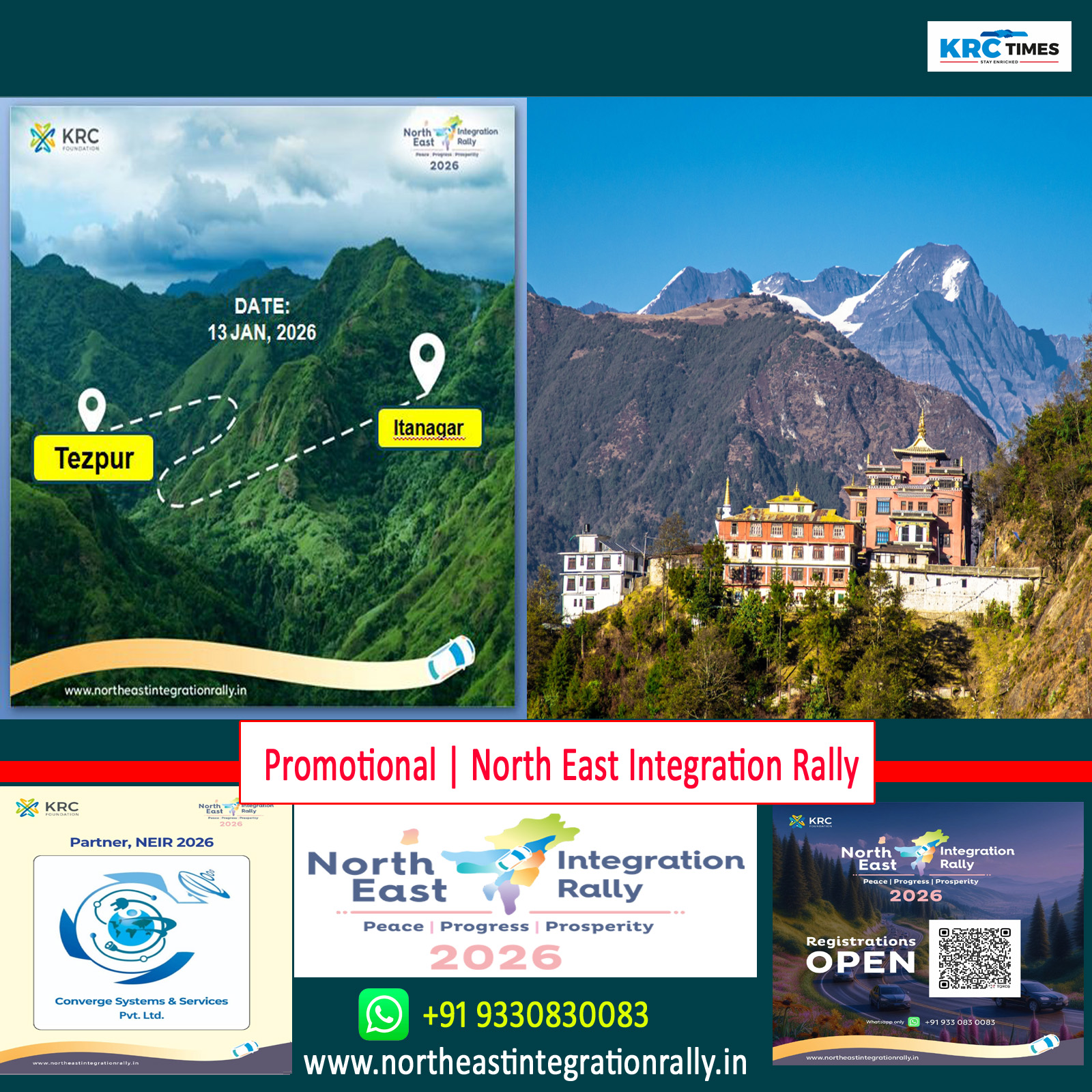
The city will host a series of activities the next day. Here’s a cleaner version: Itanagar is the capital and largest city of Arunachal Pradesh. It houses the state’s Legislative Assembly, the main government offices, and the administrative headquarters. The permanent bench of the Gauhati High Court is also located in Naharlagun, which forms part of the Itanagar urban area.
Itanagar sits at the edge of the Himalayas with the kind of quiet confidence you only notice once you spend time there. At first glance, the city looks like a collection of hills, winding roads, government buildings, and scattered neighbourhoods.
But if you stay a little longer, you realise it’s one of the most layered capitals in the Northeast. The city tells a story of heritage, migration, adaptation, and ambition, all playing out at their own pace.
Itanagar is still young. It became the capital of Arunachal Pradesh only in the late twentieth century, and that youth is visible everywhere. You see it in the energy of new businesses, the growth of educational institutions, the constant construction, and the way people talk about the future with a straightforward optimism.
But the city also carries the weight of a much older past. That balance between old and new is where its character lies.
Start with Ita Fort. The city is named after it, and for good reason. Walk around those ancient stone walls and you feel the place’s history instantly. Built centuries ago, long before anyone imagined a modern capital, the fort sprawls over a hill with stones so massive you wonder how they were moved.
The fort doesn’t flaunt itself. It just sits quietly, overlooking the city that borrowed its name. That humility matches the broader spirit of Arunachal itself, a state that rarely feels the need to show off.
Move a little away from the fort and the modern city begins to unfold. The administrative complex, the Assembly building, the cultural centres, the university campuses—they all carry a sense of deliberation. Itanagar wasn’t allowed to grow chaotically. Planners tried to give it shape even while working against the challenges of hilly terrain.
The result is a city that can feel both scattered and intentional at once. Roads twist around ridges, houses cling to slopes, and entire neighbourhoods sit tucked between two bends of a valley. It takes time to map the geography in your mind.
What this really means is that Itanagar doesn’t offer the predictable grid of a traditional capital city. Instead, it gives you a sense of exploration. Every turn feels new. A short drive often reveals a panoramic view you didn’t expect. Fog rolls in without warning, softening the outlines of the hills and giving the city a dreamlike quiet.
But Itanagar’s real story comes from its people. You meet tribes from across Arunachal—Nyishi, Adi, Apatani, Galo, Tagin—and over time you begin to understand how much cultural diversity the city holds. Their languages, styles of dress, food habits, and rituals create a mosaic that doesn’t feel forced. People here share space without losing identity. That coexistence is one of Itanagar’s strengths.
This social mix shows up everywhere. Morning markets brim with local vegetables, herbs, and smoked meats you won’t find elsewhere. Cafes run by young entrepreneurs serve everything from traditional Northeast meals to Korean ramen and mochaccinos. Students at Rajiv Gandhi University debate everything from climate change to Indigenous rights.
Government employees from across India bring their own customs into the city’s rhythm. All of this creates a blend that makes Itanagar feel smaller than it is but more global than you expect.
Food in Itanagar is an education in itself. Bamboo shoot, smoked pork, jhuki rice, local ferns, fresh river fish—the flavours are clean, grounded, and surprisingly subtle. Every bite tells you something about the terrain, the forests, and the communities that shaped these recipes.
You’ll find food cooked without heavy spices yet richer than meals that rely on them. There’s a respect for ingredients that comes from living so close to the natural world.
Nature, of course, is the city’s constant companion. Look around and you’ll see hills rising on all sides. The green feels endless. Even the air tastes different once you climb a little higher. This closeness to wilderness impacts the city’s personality. People pay attention to weather patterns.
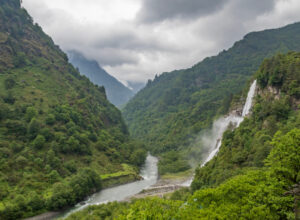
They talk about landslides, rainfall, and the state of the forests the way other cities talk about traffic. Life here can be unpredictable, but it’s also rewarding. When the sky clears after rain, the horizon looks almost unreal.
One of the most compelling places near the city is the Ganga Lake area, also known as Gyakar Sinyi. The lake sits tucked inside thick forest cover, encircled by tall trees and silence. The calm water reflects everything around it, making the place feel like a natural amphitheatre built for stillness.
Visitors come for picnics, school excursions, or a break from the busier parts of the city. You don’t go there for adventure. You go because the quiet reminds you to breathe slower.
Another major anchor is the Jawaharlal Nehru State Museum. It holds textiles, tools, ornaments, and household objects from tribes across Arunachal. Each display tells a story of craftsmanship and survival. Bamboo and cane work, weapons forged from iron, traditional musical instruments, ceremonial dresses—the museum captures a world that is still alive outside its walls.

For someone trying to understand the state beyond postcards and headlines, this place offers a real starting point.
But the city isn’t only about heritage. It’s also about movement and connection. The Itanagar–Naharlagun region, connected by road and rail, behaves like one urban cluster. Naharlagun provides the everyday bustle; Itanagar adds the administrative weight.
Together they form a capital complex that keeps expanding. New businesses, new roads, new institutions—everything grows outward in slow circles. The development isn’t flashy, but it’s steady.
There’s also a unique quality in how people approach community life. Festivals like Nyokum Yullo, Losar, Dree, and Solung bring the population together. On these days, the boundaries between tribes blur. People share food, dance, wear traditional attire, and open their homes to friends. The celebrations feel personal, warm, and rooted in the land.
This spirit spills into ordinary days too. Neighbours greet each other with real interest. Conversations flow easily in tea stalls. Even government officers talk in a tone that feels less hierarchical than in other capitals.
People adapt quickly. They navigate broken roads without complaint. They shift routines when rain brings half the city to a stop. That quiet endurance shapes the identity of the place in ways that don’t show up in tourist brochures.

The city’s proximity to major natural reserves adds another layer. Papum Pare district is home to some of the richest biodiversity in the Eastern Himalayas. Birdwatchers often use Itanagar as a base because the forests nearby are full of hornbills, barbets, and woodpeckers. Researchers come here to study plant species found nowhere else. The connection between the city and the forests isn’t symbolic—it’s lived.
Itanagar is a young capital with an old soul. It carries ancient stones and modern highways in the same breath. It holds dozens of cultures without diluting any of them. It grows steadily without abandoning its relationship with the hills that cradle it.
If you listen closely, you hear ambition in its classrooms, tradition in its markets, and calm in its forests. The city doesn’t ask you to be impressed. It asks you to pay attention. And once you do, it stays with you.