

Farakka Barrage: Lifeline on the Ganga
 North East Integration Rally
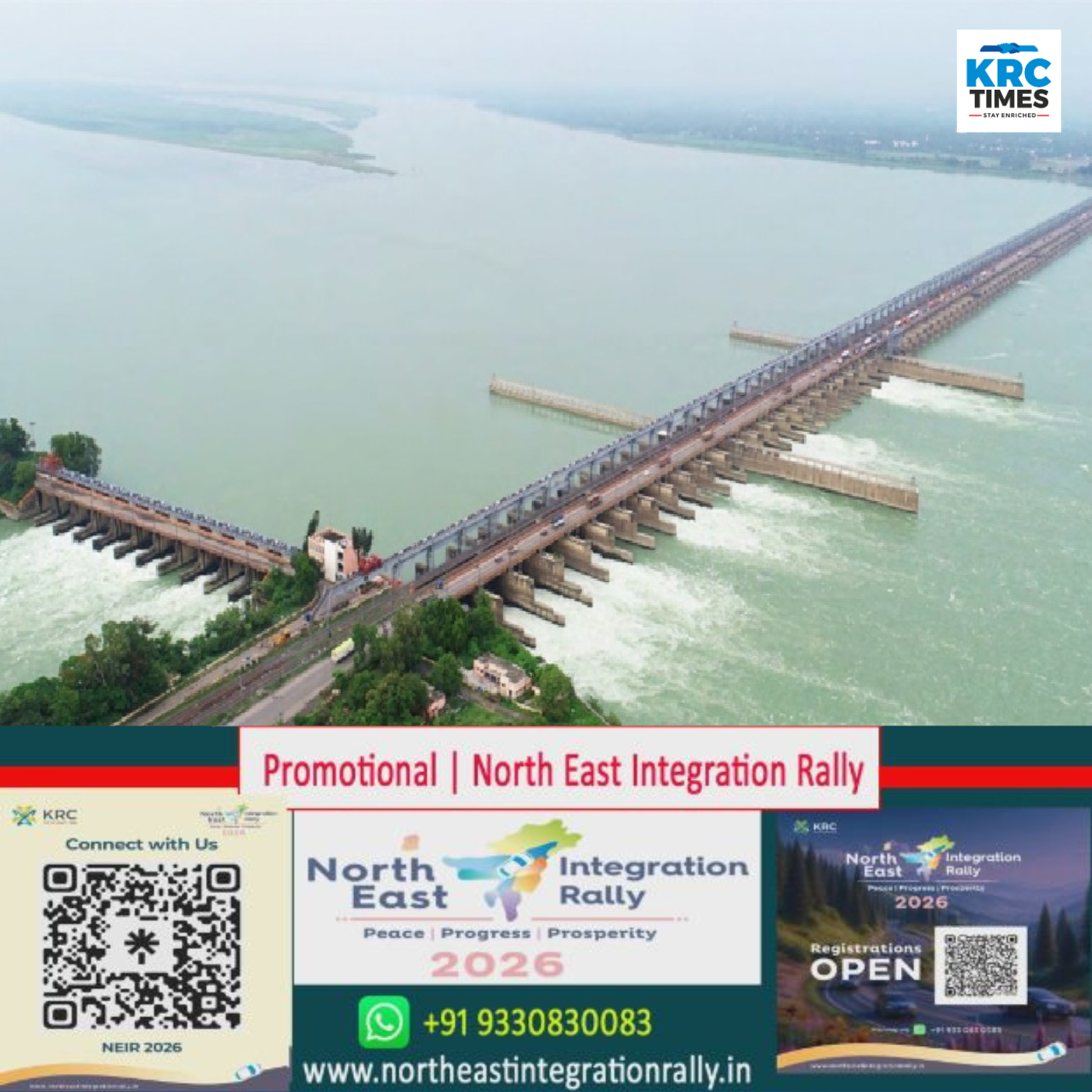
Nestled in the Murshidabad district of West Bengal, just 18 kilometres from the Bangladesh border near Sahibganj, the Farakka Barrage is one of India’s most ambitious river projects. Stretching over 2.3 kilometres, the barrage stands as a testament to modern engineering while simultaneously representing decades of environmental, geopolitical, and social challenges. Completed in 1970 at a cost of around one billion dollars, and operational from 21 April 1975, Farakka remains both a crucial water management structure and a source of contention between India and Bangladesh.
The Farakka Barrage was conceived primarily to address a pressing concern: sediment accumulation at the Kolkata port. Over the years, the Hooghly River, which connects Kolkata to the Bay of Bengal, had become increasingly clogged with silt, threatening maritime navigation.
To combat this, engineers designed the barrage to divert 1,800 cubic metres per second of water from the Ganga into the Hooghly River via a 42-kilometre feeder canal. This flow was expected to flush out sediment without the need for continuous dredging, ensuring Kolkata’s ports remained functional.

The barrage, constructed by Hindustan Construction Company, consists of 109 gates, 108 of which span the river while a single gate is built over the low-lying land in Malda as a precautionary measure. Beyond flushing silt, Farakka serves multiple purposes: it supplies water to the Farakka Super Thermal Power Station and feeds a network of 60 smaller canals that support local drinking water needs.
The township surrounding the barrage, Farakka Barrage Township, has grown around the structure, serving as a hub of administration and industrial activity.
The Farakka Barrage is not merely a story of environmental and political struggle. It has deep ties to India’s broader water network and regional development, including the Northeast. The Ganga-Brahmaputra-Meghna system links northern India and the Himalayan watershed to Assam, Arunachal Pradesh, and the Brahmaputra basin in Bangladesh.
Changes in the Ganga’s flow impact sediment transport, flood regimes, and freshwater availability downstream in Assam and other northeastern states, where agriculture and fisheries are heavily dependent on river cycles.
For example, excessive siltation and altered water levels can worsen flooding in Assam during the monsoon, disrupt hydropower generation, and affect livelihoods in towns and villages along tributaries feeding into the Brahmaputra.
The Northeast’s reliance on riverine systems highlights the interconnectedness of projects like Farakka with broader regional stability. The barrage is part of a network of interventions meant to optimize water usage, manage floods, and generate power, but these benefits come with trade-offs.

Northeast India, sharing borders with Bangladesh, is indirectly affected by upstream water management and international agreements, making Farakka a pivot point not just for West Bengal or Bangladesh, but for cross-border river governance.
In recent years, steps have been taken to address ecological concerns. Starting in 2016, fish ladders were installed to help migratory species like Hilsa navigate the barrage and reach upstream spawning grounds. While still limited in scope, these interventions represent a recognition that engineering solutions must coexist with ecological realities.
The barrage also continues to support electricity generation and water supply, demonstrating the duality of development projects that promise human utility while straining natural systems.
Farakka remains a symbol of the complexities of river management in South Asia. It is a marvel of engineering, a source of regional water security, and a flashpoint for geopolitical negotiations. At the same time, it underscores the unintended consequences of large-scale interventions in natural systems: flooding, erosion, species decline, and the displacement of communities.
The Northeast’s reliance on shared water systems further emphasizes the barrage’s regional significance, linking hydrological management in West Bengal to lives and livelihoods hundreds of kilometres away.
Ultimately, Farakka is more than concrete and gates. It is a living reminder that rivers are dynamic, shared, and essential to the social and economic fabric of the regions they traverse. Its story intertwines engineering ambition with environmental caution, domestic needs with international diplomacy, and development with ecological stewardship.
As India and Bangladesh continue to negotiate water sharing and as upstream and downstream communities adapt to its presence, Farakka stands as both a lifeline and a cautionary tale—a testament to the power, promise, and perils of harnessing nature on such a massive scale.
Promotional | North East Integration Rally