


Haflong: A hill town that lives between mist and memory
 North East Integration Rally
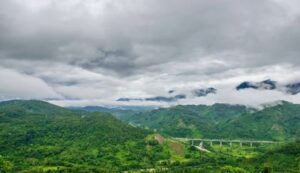
The first thing you notice when you reach Haflong is the silence. Not the absence of sound, but the kind that settles around you like a long exhale. Cars keep moving, people go about their day, shops open and shut, but the town carries a quiet rhythm of its own. It sits 680 meters above sea level, on a ridge in Dima Hasao district, and holds on to that rhythm even as change nudges it from all sides.
Haflong is not a postcard hill station built for tourists. It is a living town with layers of history, identity, and contradiction. The views are stunning, yes. The hills roll into each other like soft green dunes, and the sky widens in a way the plains rarely allow. But if you stop at the scenery, you miss its real story.
Walk through the main market, and the first thing that strikes you is how many worlds share space here. Dimasa traders selling vegetables, Bengali shopkeepers running old storefronts, Hmar and Zeme women walking in from nearby villages with baskets of greens, Nepali tea shop owners serving hot milk tea, and people from across the district mingling through the day.
Haflong’s diversity isn’t something you need to look for. It is present in every conversation, every shop sign, and every courtyard.
Over the years, this coexistence has survived political shifts, ethnic tensions, and long stretches of neglect. What this really means is that the town has learned to build community in small, practical ways. Locals often say that Haflong functions because people understand each other’s space. You see this in everyday gestures that outsiders may miss.
The way shopkeepers speak four or five languages without thinking twice. The way festivals overlap. The way the same hill can host a church service in the morning and a community gathering of another group in the evening.
If you want to understand Haflong, start with the land itself. The hills shape everything here. Roads twist around slopes that crumble during heavy rain. Landslides are not unusual, and every monsoon tests the town’s resilience. Despite that, Haflong never feels desolate.
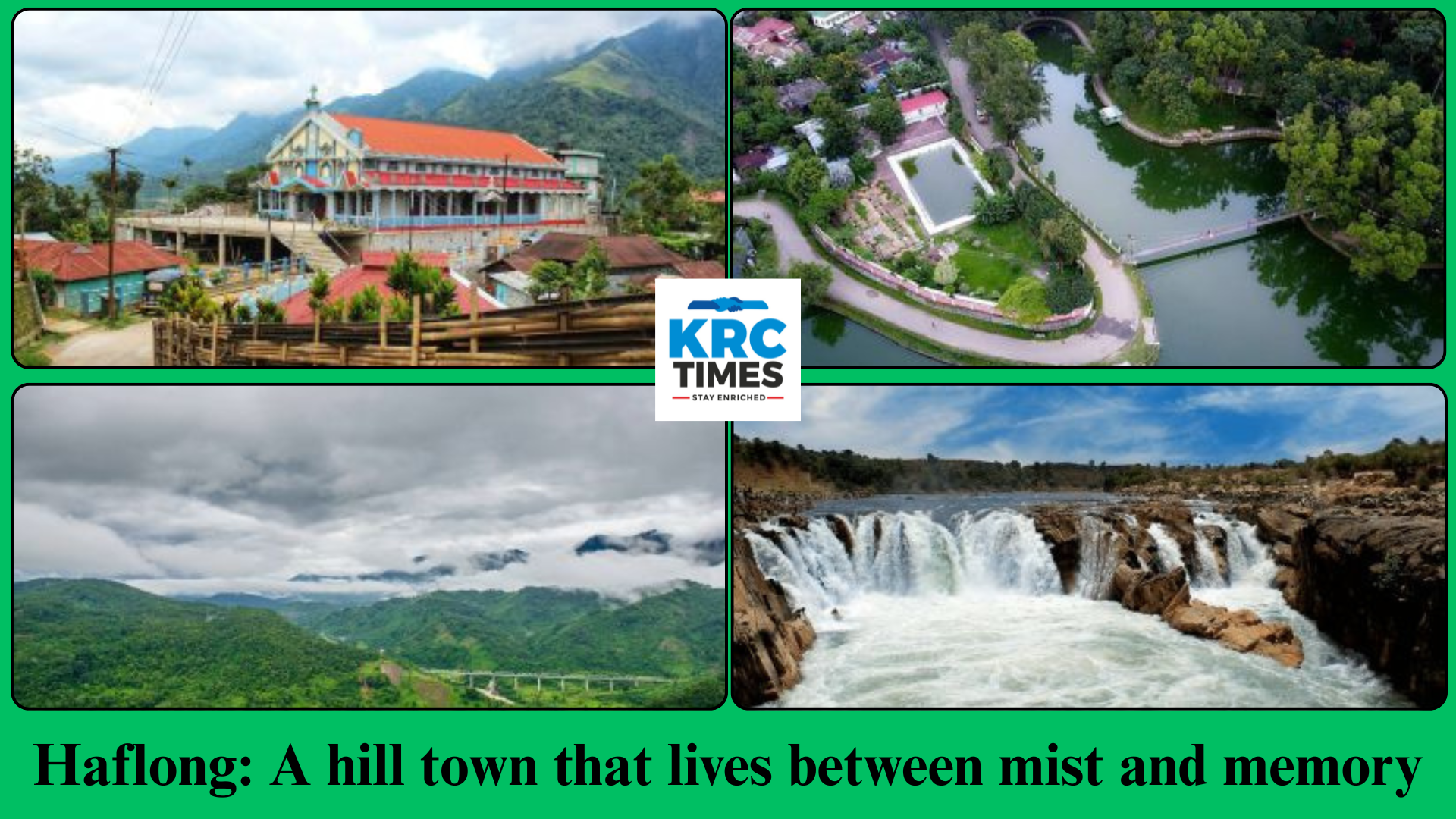
The clouds play hide and seek across the valley. The mornings are crisp. The evenings bring a gentle chill. And somewhere around five, the light softens into a colour you rarely see in the plains — a muted gold that stays for a moment and then slips away.
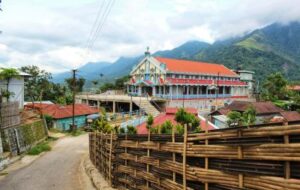
Haflong Lake sits at the centre of town, a calm oval of water that reflects the sky on a good day and gathers fog on others. Decades ago, locals say, the lake was much clearer. Over time it has struggled with encroachment and pollution.
Yet it remains the town’s anchor. Elderly residents walk around it. Young people sit on the steps in groups. Visitors take the routine boat ride. The lake isn’t postcard perfect, but it holds the town together in ways that go beyond beauty.
Take a short drive out, and Haflong opens up even more. Villages sit on ridges and slopes, each with its own language, customs, and food. Bamboo groves line the road. Pineapple fields appear without warning. Streams cut across the hills in flashes of silver. Life here moves at a pace shaped by terrain, weather, and tradition. People often travel long distances for school, work, or basic supplies, and that distance becomes part of their everyday life.
Then there’s the railway line. The old metre-gauge track that once connected Lower Assam to Barak Valley through Haflong still lives in memory. Those who travelled on it recall the tunnels, the slow climb, and the way the train seemed to float along impossible cliffs. Today the broad-gauge line cuts through the hills with more efficiency, but the magic of that older route remains part of local lore. For many, the railway was their first window beyond the region.
If you walk around the town’s quieter lanes, you’ll notice a kind of architectural patchwork. Old timber houses with sloping roofs. Assam-type homes with raised plinths. Government quarters from another era. New concrete buildings rising between them. Haflong has expanded over the last two decades, but the old neighbourhoods still carry a slower, familiar air. Children play in small courtyards. Dogs sleep on verandas. Neighbours lean on wooden railings to talk.

Tourism often paints Haflong as a hill station with blue hills, orchids, and cool weather. And while it has all of that, the real interest lies in the everyday life of the town. The smell of smoked meat from a Dimasa household. The sound of church choirs floating out on Sundays.
The market stalls full of wild herbs, fermented bamboo shoots, and homemade dried fish. Small eateries serving chai and samosas next to shops selling traditional shawls. Policemen chatting with shopkeepers in the evening. College students gathering near the lake. These details give Haflong its character.
There’s another side to the story. Haflong has seen conflict, mistrust, and long stretches of administrative challenges. People talk about earlier periods when fear shaped daily movement. Many still worry about infrastructure that doesn’t match the town’s potential.
Healthcare gaps. Limited higher education options. Roads that need more than patchwork repairs. A railway line that occasionally suffers disruptions. The town stands at an awkward crossroads between aspiration and reality.

But talk to residents long enough and you hear something else: a quiet belief that Haflong can grow without losing its core. They want better roads, stronger schools, more jobs, improved public spaces. They want tourism that respects the land instead of exploiting it. They want development that listens. Haflong doesn’t need outside glamour. It needs steady attention and thoughtful planning.
The heart of this town lies in its sense of balance. The way modern shops stand next to old houses. The way quick conversations slip between three or four languages.
The way people gather for community decisions. The way the hills surround everything, holding the town in a kind of natural bowl. Haflong is not trying to be a big city. It is holding on to its identity while reaching for something better.
Haflong leaves an impression not because it overwhelms you, but because it stays with you quietly. Maybe it’s the light on the hills at dusk. Maybe it’s the sound of a guitar drifting out of a hostel room. Maybe it’s the morning fog rolling over rooftops. Or maybe it’s the simple fact that life here still has space to breathe.
Haflong is a town that asks you to slow down, look closely, and listen. If you do, you begin to understand why people who grow up here carry it with them long after they leave.