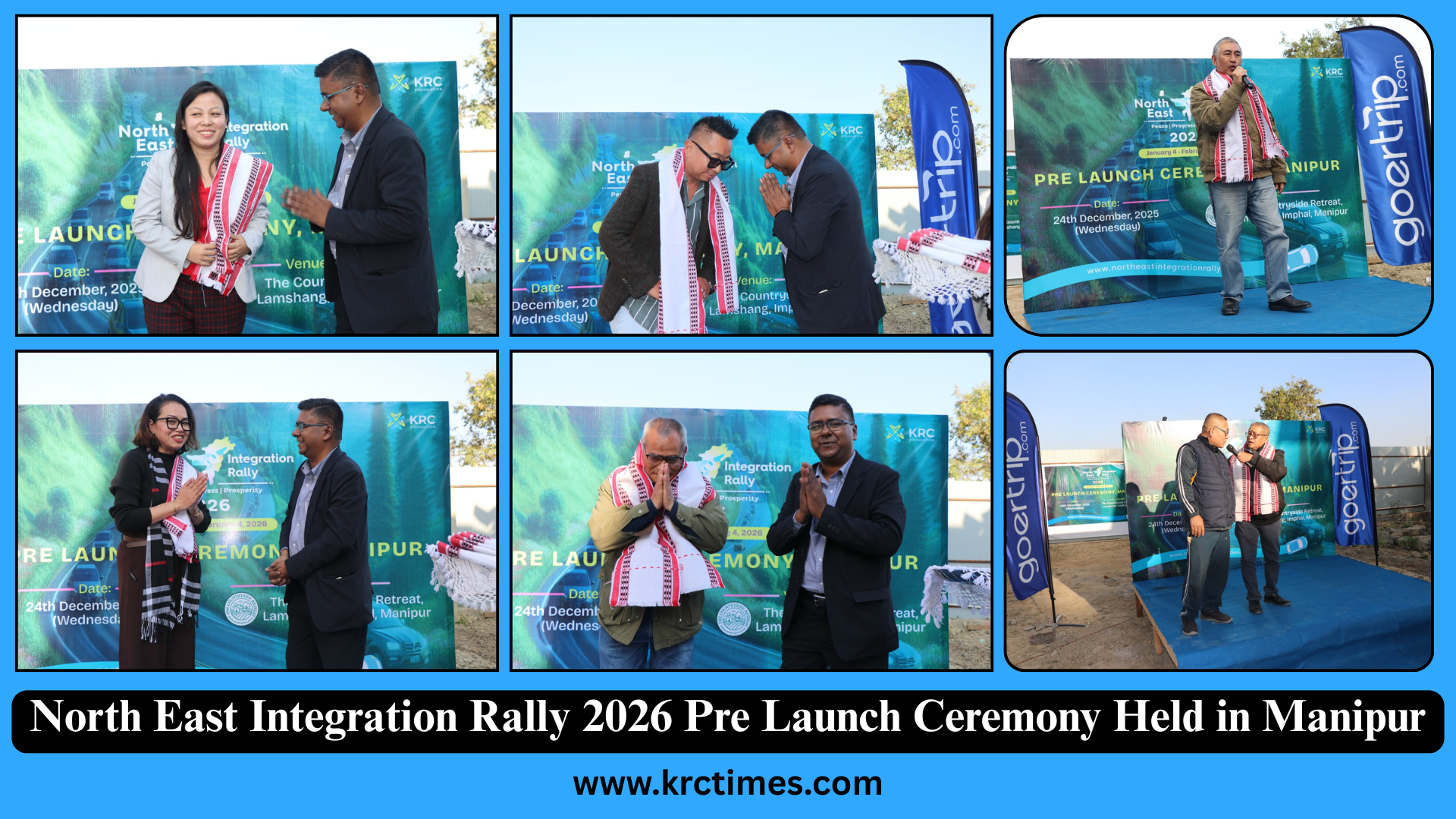


January 17 (2026) should be a remarkable day for the NEIR 2026
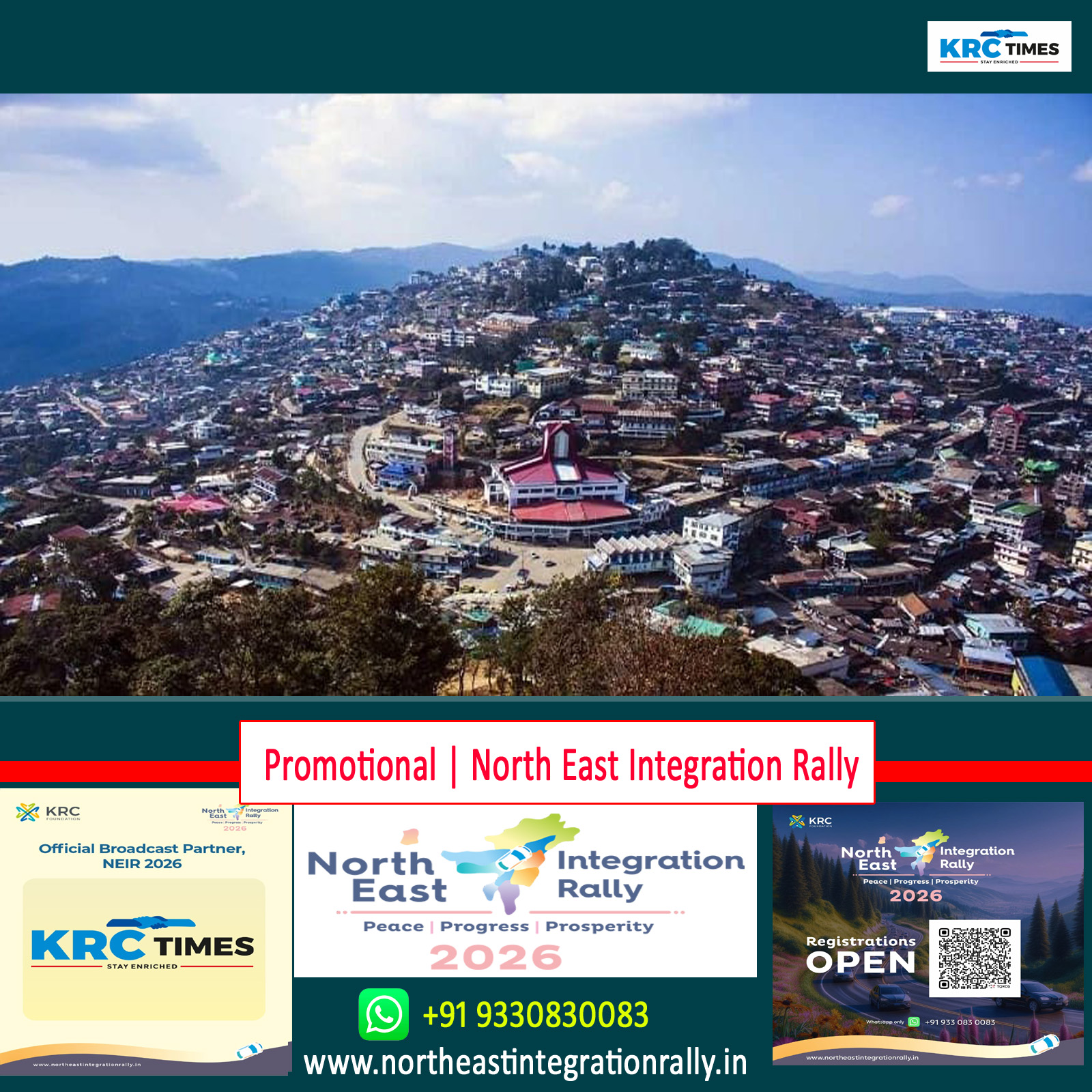
 North East Integration Rally
The distinctive Dimapur will host the NEI Rally. Dimapur is the capital of Dimapur district and the most populous city in Nagaland. It serves as the state’s key commercial centre. Set in a hilly landscape along the Dhansiri River and close to the Assam border, Dimapur also hosts Nagaland’s only railway station and airport.
Dimapur doesn’t announce itself the way some cities do. It doesn’t lean on colonial nostalgia, or mountain drama, or any of the clichés people associate with the Northeast. Instead, it moves with a kind of grounded self-assurance.
It knows what it is: a commercial hub, a crossroads, a place where Nagaland meets the rest of the region, and where people from every direction stop, trade, settle, or simply pass through. If Kohima holds the political soul of the state, Dimapur carries its everyday pulse.

Dimapur works because it doesn’t try to impress you. It draws you in through movement. Roads always feel busy. Markets stay crowded. New buildings rise between old ones. Trucks line up on the highways. Students spill out of coaching centres.
Auto drivers navigate traffic with a choreography you only understand after watching them for a while. The city keeps shifting but remains recognizable.
To understand Dimapur, start with its geography. It sits at the border of Nagaland and Assam, making it both an entry point and a buffer. National Highway 29 cuts through the city like a spine. Trains come in with the kind of purpose that reminds you why this is Nagaland’s only major railhead.
The airport receives flights from across the region. All this connectivity shapes the city’s personality. People from Manipur, Assam, Arunachal, Meghalaya, and even farther come here to study, shop, work, or trade. Dimapur is where cultures meet—not ceremonially, but casually, in the rhythm of daily life.
The city’s past adds another layer. Long before it became a modern commercial centre, Dimapur was the seat of the Kachari kingdom. The ruins still sit quietly in the middle of the city. Tall monoliths carved with geometric patterns stand scattered across a grassy compound.
They look almost accidental, as if the modern world grew around them without quite knowing what to do with them. Spend a little time there and you realise these stones connect centuries of history with a city that otherwise feels relentlessly forward-looking.
Hong Kong Market and New Market are the city’s heartbeats. You walk through narrow lanes packed with imported clothing, electronics, Korean skincare, gadgets, and fabrics. The energy is electric. Vendors call out offers without sounding pushy. Customers bargain with practiced ease. Everyone seems to know where they’re going. There’s a rhythm to the chaos, as if the entire market shares a single pulse.
Dimapur offers the kind of diversity you won’t find even in larger cities. Naga cuisine sits comfortably with Assamese thalis, Bengali fish curries, North Indian snacks, Korean fried chicken, and Burmese dishes that arrived through migration routes and stayed because people loved them.
Smoked pork dominates the Naga side of the plate, soft and flavorful from hours of curing. Bamboo shoots add sharpness. Fermented soybean adds depth. Even a simple meal can open a window into the land’s traditions.
Cafes are becoming their own scene. Young entrepreneurs run spaces where you see students working on laptops, musicians holding small gigs, and conversations stretching late into evening. There’s a creative spark in the city, shaped by educated youth who want to build something modern without letting go of their roots.
Move away from the markets and the pace shifts. Residential neighbourhoods stretch out with a calmer rhythm. Churches anchor these communities. Nagaland has strong Christian roots, and in Dimapur you feel that through architecture, music, and weekly gatherings. Sunday mornings bring a sense of collective pause. Streets go quiet. Families dress elegantly for service. Choirs fill the air with harmonies that carry across lanes.

For Nagaland’s interior towns, this is the supply route. Trucks bring in essentials. Goods move upward to Kohima, Wokha, Phek, Zunheboto, and beyond. Students coming home from other states land here first.
Medical referrals often pass through Dimapur’s hospitals. Even cultural events find their way here—music gigs, fashion shows, sports meets, exhibitions. The city acts like a staging ground for the rest of the state.
Nature still asserts itself. The Dhansiri River edges the city, giving it a quiet contrast to its otherwise busy pace. The surrounding plains and gentle hills remind you that you’re still in a region ruled by landscape, not concrete.
Drive a little farther and the terrain begins to rise. The foothills lead you toward Kohima, and beyond that to deeper ranges where villages balance tradition and change.
Dimapur holds a multicultural population. Nagas share space with Bengalis, Assamese, Marwaris, Nepalis, Biharis, Punjabis, and people from the rest of the Northeast. The mix is unique. People get used to hearing many languages in a single day.

Shops carry Korean fashion, Burmese foods, and North Indian festival decorations all in the same season. This blend doesn’t erase differences. Instead, it creates a city where everyone negotiates space while keeping their own customs.
Dimapur has one of the youngest populations in the region. Colleges, coaching centres, and vocational institutes attract students from across states. You see them on their way to classes, in cafes, outside bookshops, hanging around bus stands, discussing music, politics, football, or fashion.
They shape the city’s culture far more than any single institution does. And because youth culture in the Northeast has a natural tilt toward music and style, Dimapur reflects that. Bands rehearse in garages. Shoe shops carry the latest sneakers. Thrift culture thrives. Social media trends hit the city fast.
Yet beneath that modern layer lies a quieter foundation. Family networks remain strong. People still know their neighbours. Many businesses are run by families that have been here for generations. Work might change, but relationships stay steady.

Dimapur is a border town that outgrew the label. It’s a trading hub that became a cultural meeting point. It’s a chaotic, expanding city that still finds room for ancient ruins in its centre. It carries the weight of Nagaland’s aspirations without losing the earthiness that defines it.
Dimapur isn’t a place you understand in a single visit. It doesn’t reveal itself efficiently. It shows you fragments—a crowded market, a quiet church lane, a street full of imported goods, a roadside stall selling smoked meat, a river bending gently around the edge of town, a group of students planning their futures with unfiltered ambition.
Piece those fragments together and you begin to see Dimapur clearly. A city built by movement, held together by community, and always looking ahead.