The Northeast is not a side note- It is a core part of India’s past, present, and future
 North East Integration Rally
Northeast India is often talked about as a far corner of the country. A place seen from far away. Many people know little about it. Some only know the names of states. Some know nothing at all. This is unfair. The Northeast is not a side note. It is a core part of India’s past, present, and future.
The region has eight states. Assam, Arunachal Pradesh, Manipur, Meghalaya, Mizoram, Nagaland, Tripura, and Sikkim. Each one is different. Different land. Different people. Different stories. Yet they are tied together by history, culture, and shared struggles.
First, geography. The Northeast is India’s gateway to Southeast Asia. It shares borders with Bhutan, China, Myanmar, and Bangladesh. This makes it very important. Not just for maps. But for trade, travel, and security. Roads, railways, and rivers here connect India to the larger Asian world. If India wants to look east, the Northeast is the door.
Rivers shape this land. The Brahmaputra is not just a river. It is life. It feeds farms. It carries boats. It shapes towns and villages. It also brings floods. People here live with nature closely. They respect it. They fear it too. This deep bond with land is something modern India can learn from.
The Northeast is rich in natural resources. Oil, gas, coal, limestone, forests, and water. But more than that, it has clean air, green hills, and vast biodiversity. Rare plants. Rare animals. Some found nowhere else in the world. In a time of climate worry, this region matters a lot. It can teach balance. How to live without destroying everything.
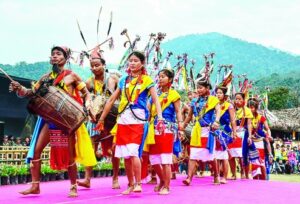
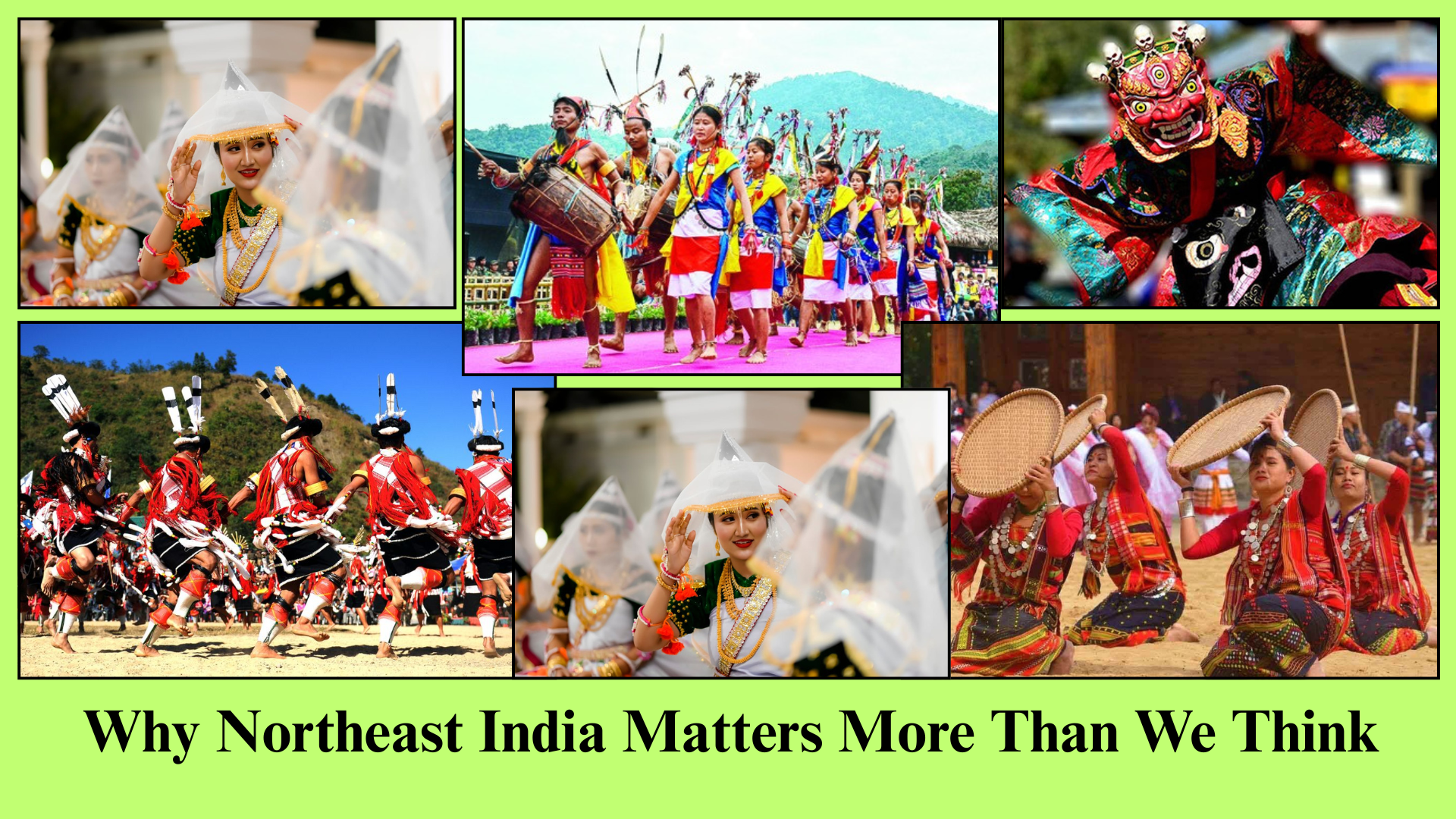
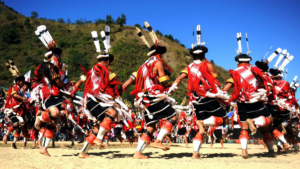
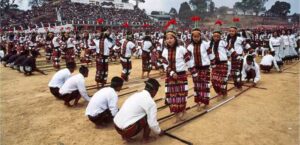
Culture is another big strength. The Northeast is one of the most diverse parts of India. Hundreds of tribes. Many languages. Many faiths. Music, dance, food, dress. All unique. Yet there is harmony in daily life. People grow up respecting difference. This is real unity. Not forced. Not loud.
Festivals here are not just events. They are living traditions. Bihu in Assam. Hornbill in Nagaland. Losar in Sikkim. Chapchar Kut in Mizoram. These festivals show joy, history, and community. They remind us that India is not one colour. It is many colours together.
The region also has a strong sporting spirit. Football fields fill up in small towns. Boxing rings produce champions. Archery, weightlifting, athletics. The Northeast has given India many national and international players. Sports here are not luxury. They are part of life.
But the story is not only bright. The Northeast has faced neglect for decades. Poor roads. Slow development. Limited jobs. Long conflicts. Many young people feel left out of the national dream. This pain is real. It must be acknowledged.
Insurgency and unrest did not come from nowhere. They grew from broken promises and lack of trust. In recent years, things are changing. Peace talks. New projects. Better links. More attention. But trust takes time. Development must be honest. Not just big announcements.
Education is growing. Universities, institutes, and schools are coming up. Young writers, filmmakers, musicians, and entrepreneurs are rising. They tell their own stories now. On their own terms. This is important. The Northeast does not want sympathy. It wants respect and space.
The region also plays a key role in India’s Act East Policy. Trade with ASEAN countries depends on strong Northeast connectivity. Border towns can become hubs of business and culture. This can change local lives. If done carefully.
Most of all, the Northeast matters because of its people. Warm, resilient, proud. They carry heavy histories but still smile easily. They protect identity while welcoming others. This balance is rare.
India cannot be complete without the Northeast. Not in spirit. Not in strength. Not in future plans. The region is not distant. It is central. We just need to look again Look closer. And listen better.
Promotional | North East Integration Rally