


The report identifies Anopheles culicifacies-one of the primary vectors of malaria-as a growing challenge for Assam’s malaria eradication programme
 KRC TIMES National Bureau
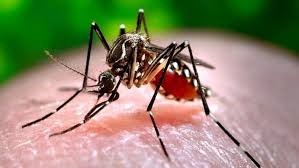
New Delhi : Cross-border transmission and the emergence of a key mosquito vector continue to hamper malaria elimination efforts in Assam, particularly in border districts, according to a new report by the ICMR-National Institute of Malaria Research (ICMR-NIMR) and the National Centre for Vector Borne Disease Control (NCVBDC).
The report identifies Anopheles culicifacies-one of the primary vectors of malaria-as a growing challenge for Assam’s malaria eradication programme. While most districts in the state have recorded a sharp decline in malaria cases, border areas remain vulnerable due to persistent transmission risks.
“Cross-border transmission from Myanmar and Bangladesh continues to affect border districts in the Northeast,” the report noted, warning that population movement across international borders undermines local gains in malaria control.

The findings highlight that Assam, Manipur, and selected districts in Punjab, Haryana, Rajasthan, Jharkhand and Madhya Pradesh exhibit heterogeneous malaria transmission patterns, where overall reductions in cases coexist with persistent local hotspots.
States located along international borders or major transit corridors face an ongoing risk of malaria re-introduction even after achieving local control, the report said.
Cross-border movement for employment, trade and social activities, along with seasonal population surges during festivals, fairs and mass gatherings, were identified as major drivers of malaria transmission.
To address these challenges, the report stressed the urgent need to enhance coverage of indoor residual spraying (IRS) and long-lasting insecticidal nets (LLINs), particularly during high-risk transmission seasons when malaria cases typically rise.

It also underscored the importance of detailed block-level planning in northeastern states including Mizoram, Tripura, Meghalaya, Nagaland and Arunachal Pradesh, to ensure targeted interventions in areas with the highest transmission.
The report recommended the deployment of trained volunteers in border villages to enable early case reporting and monitor population movement that could influence disease spread.
Despite the challenges, the document noted that India has made significant progress towards malaria elimination over the past decade, placing the country among global leaders in malaria control. Between 2015 and 2024, India achieved an estimated 82-85 per cent reduction in malaria cases and a 78 per cent decline in malaria-related deaths.
“These gains reflect sustained investment in surveillance, diagnosis, treatment and vector control,” the report stated, while cautioning that sustained and targeted efforts are essential to prevent resurgence in vulnerable regions.