

Sangma said the state hopes the living root bridges will be inscribed on the prestigious list this year
 KRC TIMES National Bureau
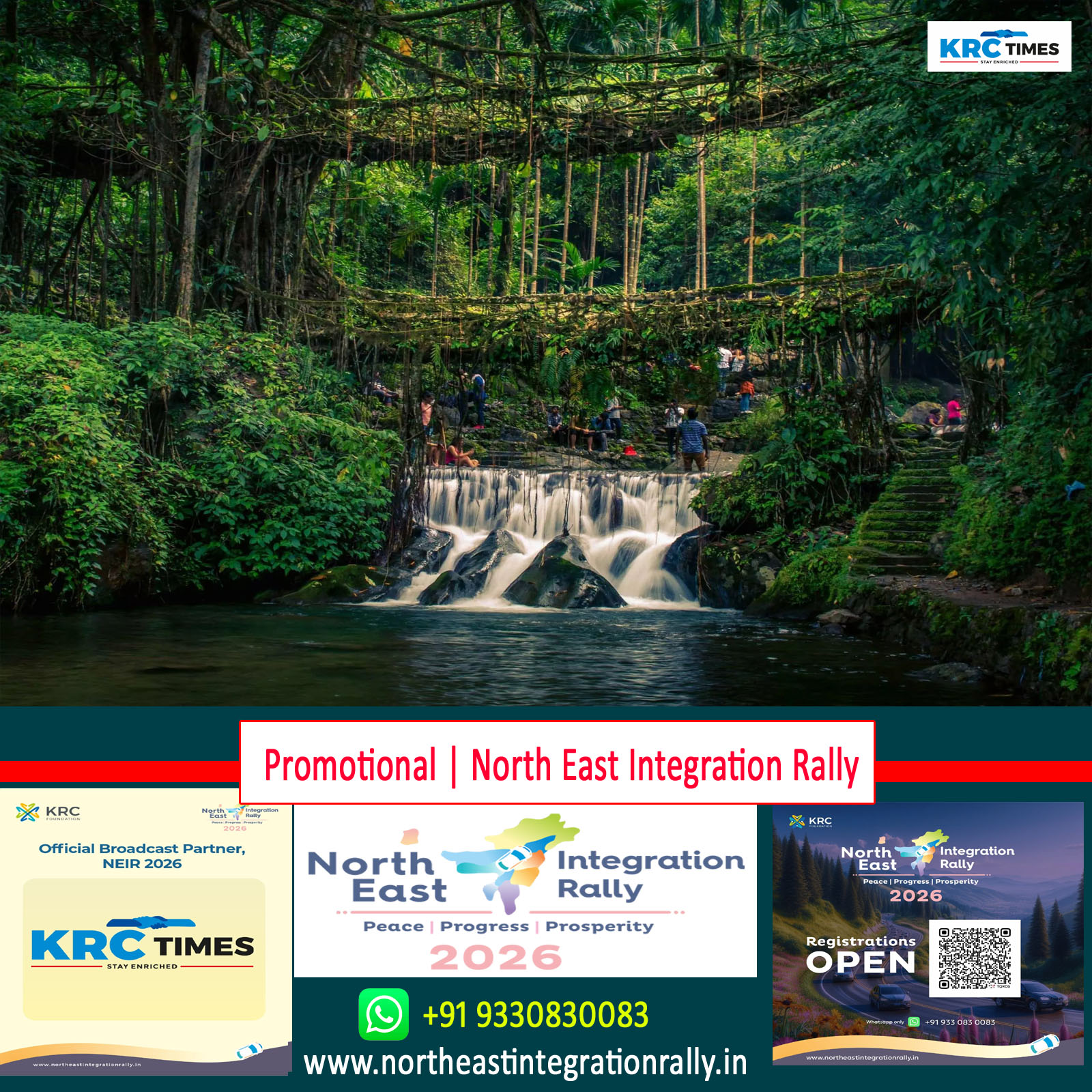
NEW DELHI : India has submitted the nomination dossier of Meghalaya’s living root bridges to UNESCO in Paris for consideration for inclusion in the World Heritage List for the 2026-27 cycle, Chief Minister Conrad K. Sangma said on Thursday.
The dossier was formally handed over by India’s Ambassador and Permanent Representative to UNESCO, Vishal V. Sharma, to the Director of UNESCO’s World Heritage Centre, Lazare Assomo Eloundou.
Expressing optimism over the nomination, Sangma said the state hopes the living root bridges will be inscribed on the prestigious list this year. “Such recognition would honour the indigenous communities who are the true guardians of this living heritage and acknowledge their centuries-old relationship with nature,” he said in a social media post.

According to a statement issued by the Permanent Delegation of India to UNESCO, Ambassador Sharma thanked Prime Minister Narendra Modi, Union Culture Minister Gajendra Singh Shekhawat and the Meghalaya Chief Minister for their support in advancing the nomination. He also acknowledged the contributions of Meghalaya Principal Secretary Frederick Kharkongor, officials of the Archaeological Survey of India, the Ministry of External Affairs, subject experts and local communities in safeguarding the heritage and preparing the nomination dossier.
The living root bridges, located across the southern slopes of the Khasi and Jaintia Hills, represent a unique living cultural landscape shaped over centuries by the indigenous Khasi and Jaintia communities. Crafted by training and guiding the aerial roots of rubber fig trees, the bridges continue to grow stronger with time and remain in use even today.
A statement accompanying the nomination described the landscape as reflecting a deep and harmonious relationship between people, nature and spirituality, rooted in traditional systems of land use, governance and ecological stewardship. The indigenous worldview that underpins the practice is anchored in principles of respect, reciprocity and responsibility towards Mei Ramew (Mother Earth).
The submission, the statement said, underscores India’s commitment to recognising and preserving living cultural traditions and indigenous knowledge systems, while contributing to global efforts in heritage conservation through UNESCO.
Promotional | North East Integration Rally