

Choudhary cautioned that prolonged consumption of arsenic-contaminated groundwater could pose serious health risks
 KRC TIMES National Bureau
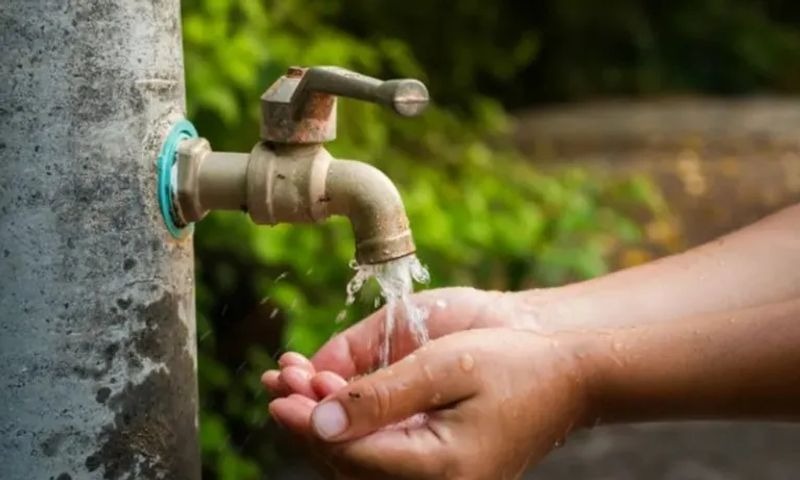
NEW DELHI : Some isolated areas in Assam have reported groundwater contamination, including the presence of arsenic and other heavy metals beyond permissible limits for drinking water, the Union Ministry of Jal Shakti informed the Lok Sabha on Thursday.
Replying to a written question by Congress MP Gaurav Gogoi, Minister of State for Jal Shakti Raj Bhushan Choudhary said assessments conducted by the Central Ground Water Board (CGWB) indicate that groundwater in Assam is largely safe for drinking purposes overall. However, he acknowledged that certain pockets have recorded contaminant levels exceeding prescribed safety standards.
“Groundwater quality assessments show that while most parts of Assam have potable groundwater, a few isolated locations have reported the presence of contaminants, including heavy metals such as arsenic, beyond safe limits,” the minister said.

Choudhary cautioned that prolonged consumption of arsenic-contaminated groundwater could pose serious health risks. He added that further detailed scientific studies are needed to establish a clear correlation between arsenic exposure and disease patterns in the state.
The minister said the CGWB carries out regular monitoring of groundwater quality across the country under its national programme, following standard scientific protocols to assess chemical and physical parameters.
He also explained that arsenic contamination is largely geogenic in nature, meaning it originates from natural geological formations. Arsenic present in soil and rocks can dissolve into groundwater and, over time, enter the food chain.
Highlighting the division of responsibilities, Choudhary noted that water is a state subject under the Constitution, and therefore the management of groundwater resources and mitigation of contamination fall primarily under the jurisdiction of state governments. “The Central government supports states by providing technical assistance and financial aid through various schemes and projects,” he said.
The disclosure comes amid growing concerns over drinking water safety in parts of Assam, particularly in areas known to be vulnerable to naturally occurring contaminants like arsenic.