

Purkayastha calls a “hurtful and factually incorrect” claim about Sylheti
 KRC TIMES Barak Valley Bureau
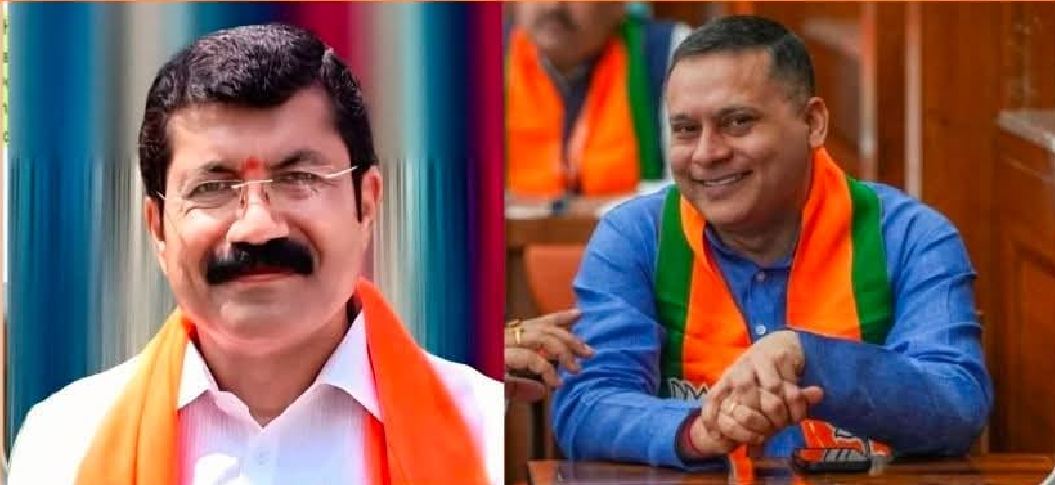
Silchar: BJP Rajya Sabha MP Kanad Purkayastha has written a strongly worded letter to BJP IT Cell chief Amit Malviya, expressing deep concern over a recent remark dismissing the Sylheti dialect as unconnected to Indian Bengalis.
The letter, written in response to Malviya’s post defending the Delhi Police amid the controversy surrounding a letter referring to Bengali as a “Bangladeshi language,” addresses what Purkayastha calls a “hurtful and factually incorrect” claim about Sylheti.
In his letter, Purkayastha wrote, “Many people have already responded to the issue of the Delhi Police letter, so I do not wish to engage in that controversy. However, your comment that Sylheti cannot be associated with Indian Bengalis compels me to respond.”
He pointed out that over 50 lakh Sylheti-speaking Bengalis live in India, with the majority residing in Assam’s Barak Valley, and significant populations spread across Tripura, the Brahmaputra Valley, Meghalaya, and West Bengal. He added that Sylheti is not only a living dialect but also a widely used medium of speech among elected representatives.
“At present, in Parliament itself, three MPs myself, Sushmita Dev, and Parimal Suklabaidya use Sylheti regularly. Assam government minister Krishnendu Paul and several MLAs from Assam and Tripura also speak in Sylheti,” Purkayastha noted.
Citing historical and cultural figures, the MP further emphasized the dialect’s Indian roots and legacy. He mentioned freedom fighter Bipin Chandra Pal, Constituent Assembly member Nibaran Chandra Laskar, and former Union Education Minister Dr. Triguna Sen as prominent Sylheti-speaking Indians.
He also paid tribute to Kamala Bhattacharya, the first female language martyr, and recalled the contributions of former Union Ministers Santosh Mohan Dev and Kabindra Purkayastha, his father, all of whom spoke Sylheti. “Even today, there are more than ten Members of Parliament who speak Sylheti,” he added.
Terming the remark deeply hurtful to an entire linguistic community, Purkayastha concluded, “Since this controversy has impacted more than five million people, I felt it necessary to place these facts on record for public awareness.”
The statement, originally issued in English, has been circulated widely in the media and is being seen as a rare instance of intra-party correction on a sensitive linguistic issue.
Promotional | Subscribe KRC TIMES e-copy