

The analysis found that oral, lung, and prostate cancers were most common among men, while breast, cervical, and ovarian cancers dominated among women
 KRC TIMES Assam Bureau
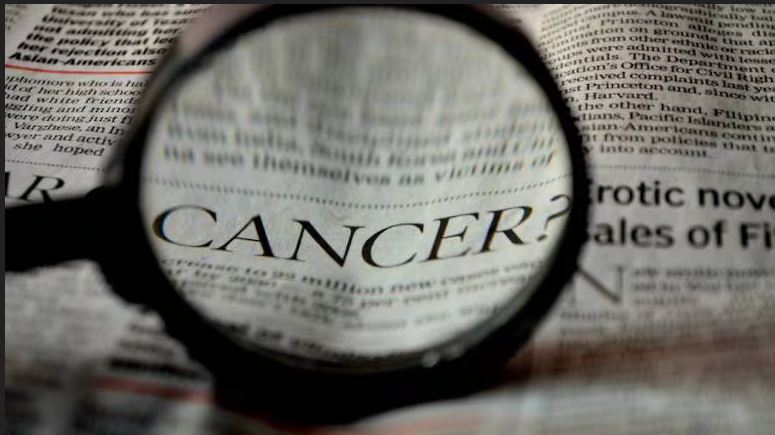
GUWAHATI : Based on information from 43 population-based cancer registries (PBCRs), tracked 7.08 lakh cancer cases and 2.06 lakh deaths in the five-year period. Women made up a slightly larger share of the cases at 51.1 per cent, while men accounted for a higher share of deaths at 55 per cent.
Mizoram stood out with a lifetime cancer risk of 21.1 per cent in men and 18.9 per cent in women — nearly double the national average of 11 per cent. Aizawl district registered the country’s highest age-adjusted incidence rate (AAIR) for both sexes.
The analysis found that oral, lung, and prostate cancers were most common among men, while breast, cervical, and ovarian cancers dominated among women. Oral cancer cases rose sharply in several parts of the country, especially in western, central, and northern regions such as Ahmedabad, Bhopal, Mumbai, Pune, and Varanasi. Tobacco and alcohol use were identified as key drivers.
Metropolitan cities also reflected troubling trends. Delhi recorded the highest overall AAIR for men, while Srinagar reported the highest for lung cancer. In the south and major cities such as Bengaluru, Chennai, and Visakhapatnam, lung cancer emerged as the leading cancer among men.

Researchers highlighted that lung cancer patients in India often present at a younger age compared to Western countries, with a median diagnosis age between 54 and 70 years. Half of these patients are detected at advanced stages, further complicating treatment outcomes.
For women, breast cancer continues to rise even as cervical cancer rates decline — a pattern researchers linked to generational shifts in risk factors. Disparities in survival outcomes between the two remain significant.
The report stressed the urgent need for stronger cancer prevention and control strategies. Key recommendations included expanding quitline services, boosting awareness of tobacco and alcohol risks, and rolling out early detection programmes. It also called for improving cancer care facilities in high-incidence regions to address disparities in access and treatment.
Globally, cancer causes around 10 million deaths each year. The Global Cancer Observatory projects that new cancer cases worldwide could climb from 20 million in 2022 to 32.6 million by 2045. In India, cases are expected to reach 2.46 million by then, making the country one of the hardest-hit nations in the region.
Promotional | North East Integration Rally