

India was represented by Haobam Joyremba, Founder and Managing Director of CubeTen Technologies Pvt. Ltd
 KRC TIMES Desk
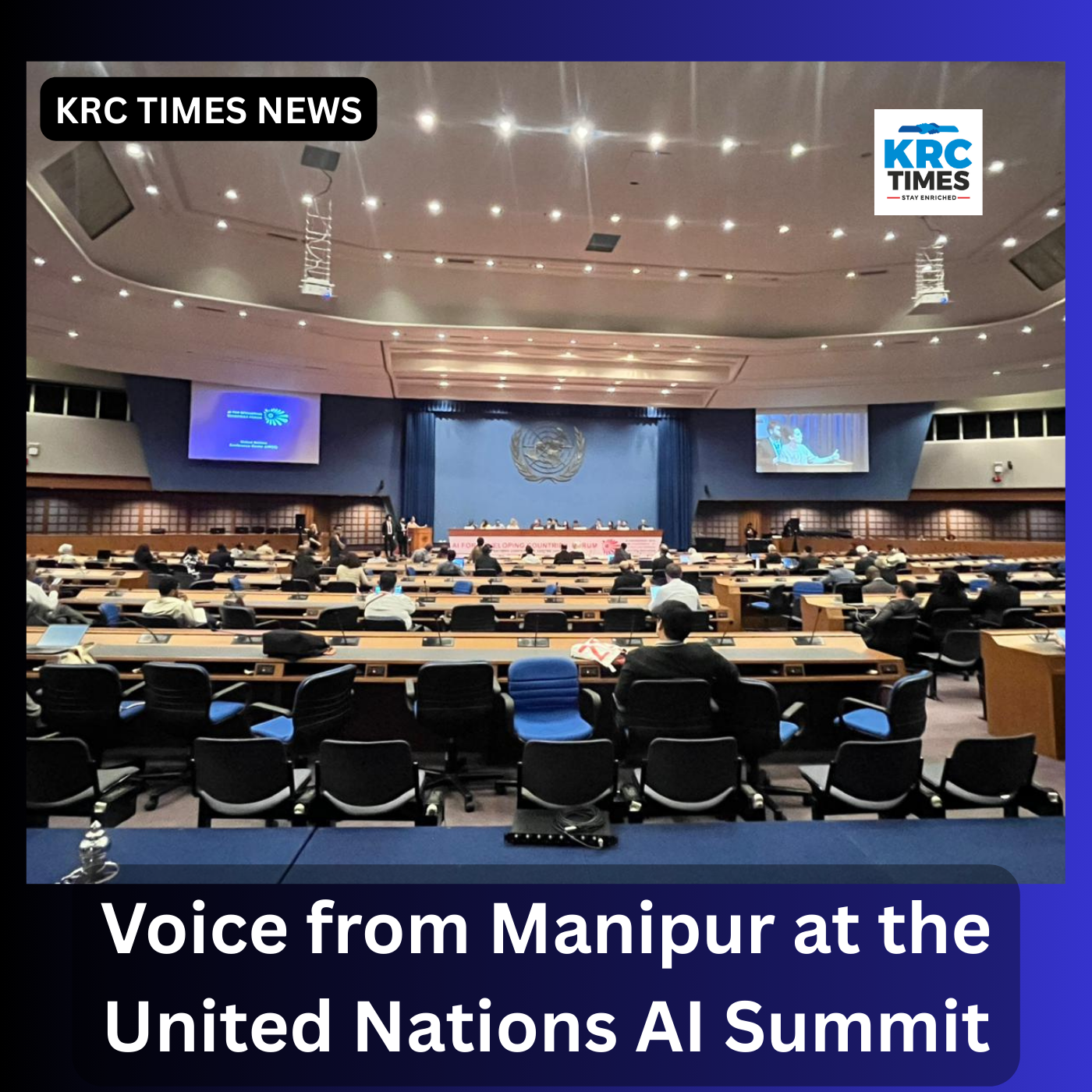
At a time when artificial intelligence is changing how the world works, a strong voice from Manipur found space at the United Nations. A three-day global AI summit held in Bangkok brought big questions to the table. Who controls AI. Who benefits from it. And who is left out.
The summit was organised by AI for Developing Countries. It drew more than 600 delegates from over 150 nations. Policymakers, tech experts, civil society leaders, and industry voices came together under one idea. AI should be for all, not for a few.
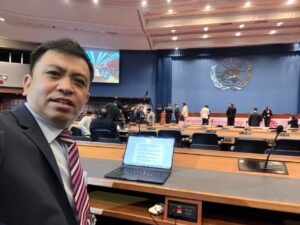
India was represented by Haobam Joyremba, Founder and Managing Director of CubeTen Technologies Pvt. Ltd. This was his third appearance at the United Nations, after earlier engagements in Geneva and Vienna. His presence mattered. It showed how voices from smaller states and regions can speak at global tables, and be heard.
During the Bangkok summit, several working groups were formed. Joyremba joined two key groups. One focused on AI for Smaller Communities. The other looked at AI for Governance. In both spaces, he spoke about the real needs of small states and regions like Manipur.
He said AI can help governance in powerful ways. It can improve public services, bring more transparency, support better planning, and help governments talk to citizens. But this only works if AI understands local reality. Language, culture, data, and context matter.
He raised a serious concern. Many smaller regions do not have enough digital data. Because of this, they remain invisible to large AI systems and language models. When data is missing, voices disappear. And when voices disappear, decisions are made without them.
Another major issue he highlighted was control. Today, much of the world’s digital and AI infrastructure is owned by a few global technology companies. This creates dependency. For developing countries and small administrations, it can mean technological lock-in, loss of data control, and long-term risk.

He warned that without strong action, the Global South may stay only as users of AI. Not creators. Not partners. Just consumers.
The summit also discussed digital colonisation. In many cases, money flows out through licenses, while local needs remain unsolved. Languages, traditions, and cultural systems face the risk of being ignored or diluted. Protecting indigenous languages and local governance systems through responsible AI design became a key theme.
The Bangkok summit is expected to produce a consolidated policy document. This document will capture concerns, ideas, and recommendations raised during the sessions. It is likely to be pushed for formal acceptance by member countries. If adopted, it could help shape future global rules on AI sovereignty, inclusive governance, and fair technology development.
From Manipur to the United Nations, the message was clear. AI must not deepen old gaps. It must help bridge them.
Promotional | North East Integration Rally