

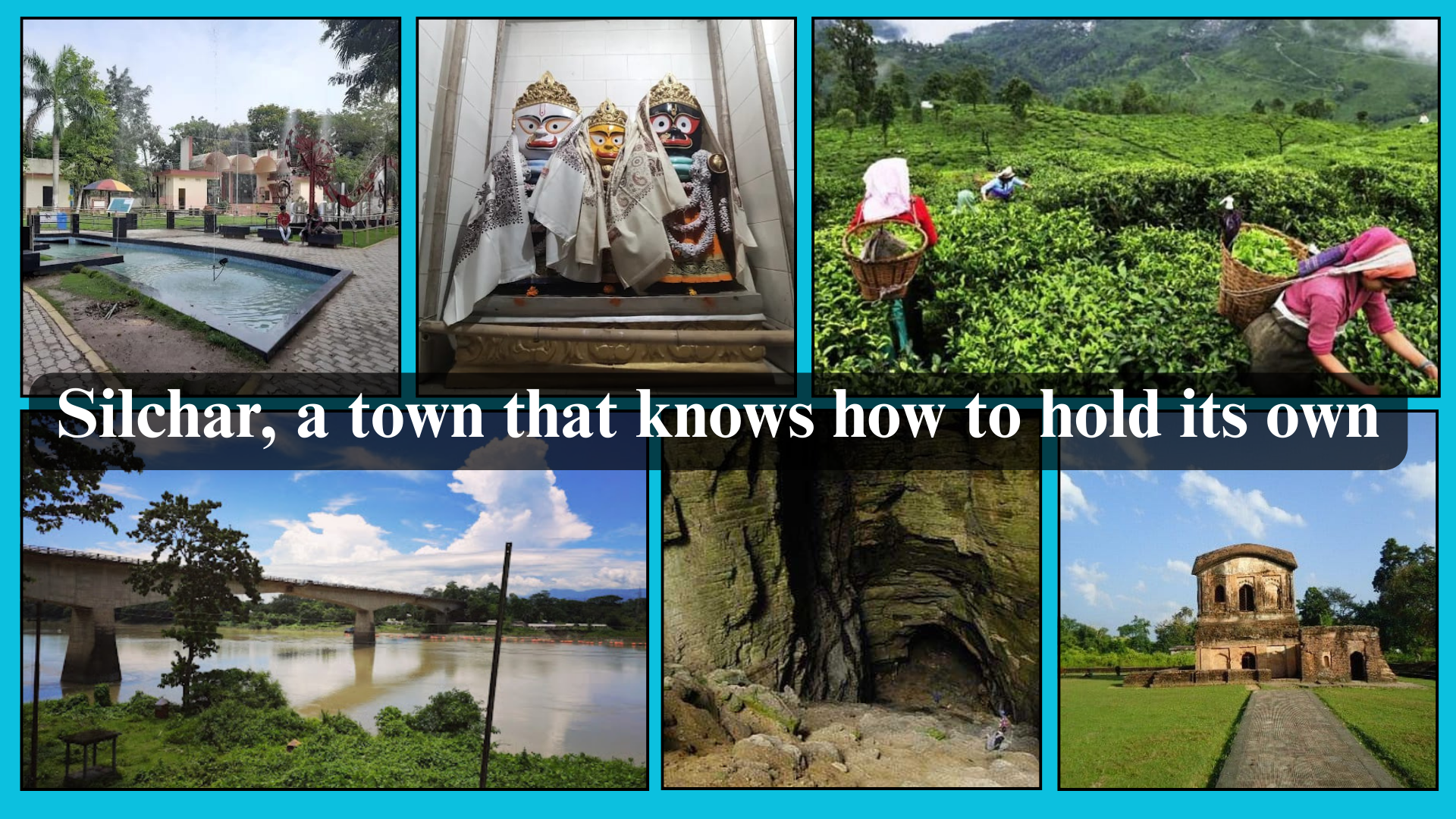
Silchar, a town that knows how to hold its own
 North East Integration Rally
A number of activities related to the NEIR 2026 will be conducted in Assam’s Silchar (a city of poets) on the birth anniversary of Netaji Subhas Chandra Bose on January 23 (adventure sports – Barak Festival) and Republic Day celebration on January 26.
The rally will be flagged-off from Jiribam on January 22. Silchar is the headquarters of Cachar district and the second-largest city in Assam, both in population and economic weight. It lies about 343 kilometres southeast of Guwahati.
The town took shape in 1832 when Captain Thomas Fisher shifted the district headquarters to Janiganj, laying the foundation for what Silchar would become. Indira Gandhi once called it the Island of Peace, a name that still lingers in collective memory.
The city also holds two remarkable distinctions: it hosted the world’s first polo club and the first recorded competitive polo match. In 1985, an Air India flight from Kolkata to Silchar made aviation history as the world’s first flight operated entirely by an all-women crew. Silchar’s early identity was tied to tea, and the Cachar Club served as a gathering spot for the region’s planters.
Silchar sits in a bend of the Barak River with an ease that feels almost instinctive. It doesn’t chase attention. It doesn’t try to fit into the image of the perfect northeastern town. It simply exists on its own terms, shaped by river, rain, migration, memory, and that unmistakable Barak Valley temperament.
Spend a few days here and you’ll understand why Silchar feels less like a place you pass through and more like a place you settle into.
The first thing that anchors the town is the river. The Barak moves with a slow, confident rhythm. People gather along its banks in the early morning, sipping tea from small kiosks that sprout like mushrooms after a drizzle.
Boatmen ferry goods across the water in the same unhurried way they’ve done for decades. The river isn’t just geography; it’s a mood-setter. It influences how people talk, how they pause, how they live. Silchar’s pace mirrors the Barak’s wide loops and quiet currents.
Walk toward the heart of town and the streets tighten, fill up, and start telling their own stories. The markets here aren’t polished or curated. They’re alive in the truest sense, a blend of Assamese, Bengali, Marwari, Manipuri, and tribal influences—all of them speaking over one another in sharp, friendly bursts.
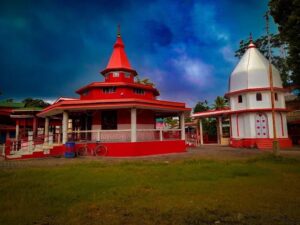
The scent of just-fried snacks mixes with the smell of damp earth. Porters weave through the crowd with baskets balanced on their shoulders. Fruit sellers call out prices in a half-singing tone. The everyday noise doesn’t feel chaotic. It feels familiar.
Silchar has always been a meeting point. The waves of people who came here over the years—traders, students, workers, artists, families looking for steadier ground—gave the town both its diversity and its stubborn sense of community. You notice it in the way shopkeepers greet long-time customers by name.
You see it in the quiet patience with which strangers help each other navigate the old market lanes. Silchar has absorbed everyone who walked in and made space for them in ways big and small.
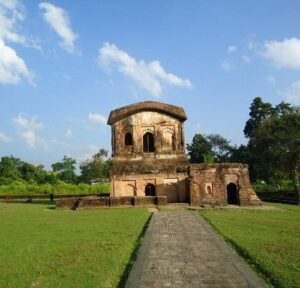
The educational institutions add another layer to the town’s character. Assam University, located on a hill outside the main town, opens up a different view of Silchar. The campus stretches across green slopes, often covered in mist early in the morning. Students from all corners of the Northeast, and many from outside the region, come here looking for opportunity and a little independence.
Inside the town, the older institutions—Gurucharan University, Women’s College, Radhamadhab College, Cachar College—carry a long academic legacy. Step inside their grounds and you can almost hear echoes of debates, union meetings, rehearsals, and late-afternoon gossip under trees that have been there far longer than most students. The prestigious National Institute of Technology is based here as well.
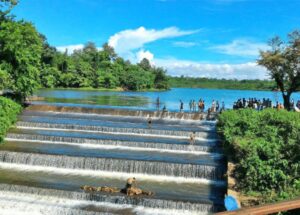
Silchar’s love for culture is woven into everyday life. The town reads. It debates. It attends plays, even if the theatre hall gets too warm. It supports poetry, film clubs, and small literary circles that meet in bookshops and cafés.
This is a town where people still argue passionately about a line from Tagore or a scene from Ray. Even the most casual adda has a way of slipping into literature, politics, or cinema without anyone noticing the transition. The ability to turn conversation into a sport is one of Silchar’s oldest talents.
The taste of the place is unmistakable. Food in Silchar doesn’t try to impress with theatrics. It relies on warmth and familiarity. Long-grain rice that steams just right. Fish curries cooked with minimal fuss.
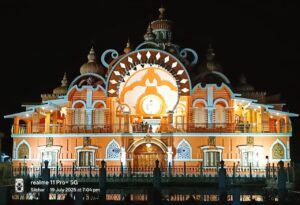
Street stalls offering aloo chat, momo, singara, nimki, muri mixed with mustard oil, lemon tea, and the occasional surprise—like a vendor selling local fruit that tastes slightly different depending on the season. The town knows how to feed you without taking itself too seriously.
If you step away from the busier pockets, you start noticing Silchar’s quieter corners. Old ponds covered with lotus leaves. Narrow lanes where sunlight filters through overhanging trees. Houses with tiled roofs and small verandahs where people sit in the late afternoon, watching the world pass by. These spaces give the town a gentle balance. They make it possible to breathe even when the market gets noisy or the traffic grows impatient.

The town has its own set of memories tucked into its streets. Silchar remembers the language movement of 1961, the sacrifices, the protests, the grief, and the determination that followed. That memory shapes the town’s identity in ways that outsiders often underestimate.
It’s not about sentimentality. It’s about a collective understanding that voices matter. That history isn’t distant. That dignity sometimes comes at a cost. You can feel this awareness in conversations with older residents, and even in the way younger people talk about language and belonging.
Move toward the outskirts and Silchar changes once more. Tea gardens spread out in neat rows, rolling into the horizon with a quiet elegance. Workers move between the bushes with baskets strapped to their backs.
The air smells different here—lighter, greener, carrying that familiar hint of rain that seems permanently stitched into the Barak Valley climate. These gardens have shaped the region’s economy for generations, and they influence how the town breathes. They also remind you how closely Silchar is tied to the land around it.

What this really means is that Silchar is layered. You can’t grasp it in one look. It’s a blend of old and new, river and rain, softness and stubborn will. It has its frustrations, of course. The traffic tests your patience. Roads take their time to get repaired.
Water-logging keeps everyone on their toes during monsoon. But the town has learned to navigate these inconveniences with a kind of collective shrug. The complaints are there, but so is the affection. People grumble, then they carry on.
The warmth of Silchar shows up when you least expect it. A rickshaw puller who insists on dropping you closer to your doorstep because the road ahead is too dark. A stranger helping you find a shop hidden in a lane even locals get confused about. A shop owner offering you tea just because you stood there long enough. The town wears its kindness casually, without announcements.
By evening, the lights along the main roads switch on, and Silchar settles into a softer rhythm. Families take walks near Rangirkhari. Students gather at tea stalls discussing plans. Small eateries fill with chatter. The town winds down without losing its pulse. Silchar isn’t dramatic. It doesn’t demand to be admired. It grows on you in a way that feels natural, almost inevitable.
It’s a place built on conversation, memory, hospitality, and a quiet resilience. Give it time, walk its streets without rushing, let the Barak’s slow current guide your sense of pace, and Silchar reveals its depth. It’s a town that holds its own—with warmth, with grit, and with an everyday grace that stays with you long after you’ve left.
Promotional | North East Integration Rally