

Kokrajhar is the political and cultural heart of the Bodo community, and you can’t understand the town without understanding that
 North East Integration Rally
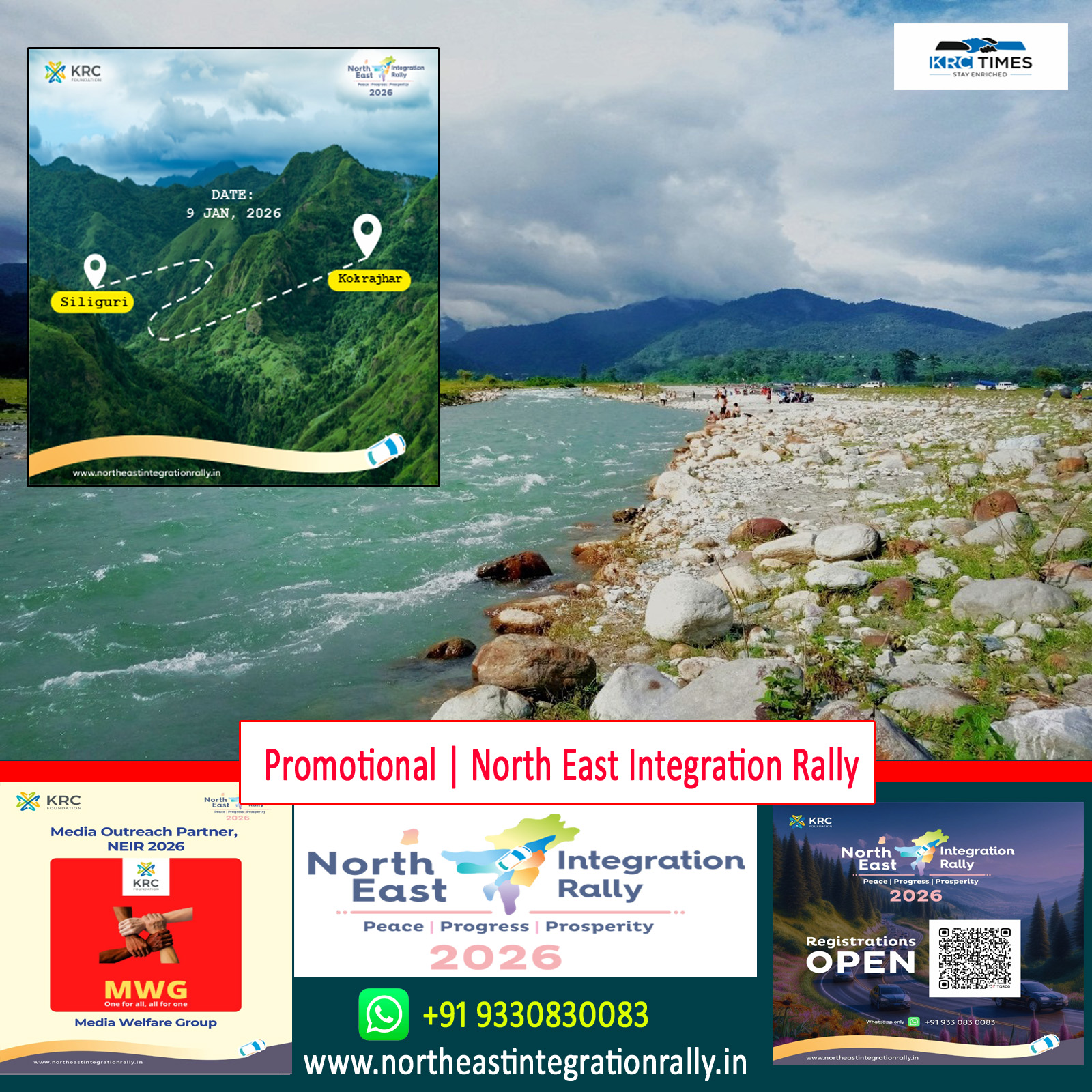
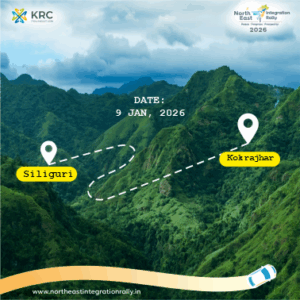
The NEIR-2025 will have its activities in Kokrajhar on January 9, following the flag-off from Siliguri. Kokrajhar doesn’t push itself forward the way bigger towns do. It sits in western Assam with a confidence that comes from knowing exactly who it is and what it has lived through. People often treat it as a transit point on the way to Bhutan or Arunachal or the hills beyond Alipurduar. But if you pause here, even for a day, you sense a place shaped by resilience, politics, forests, and a cultural memory that refuses to fade.
A Frontier That Never Forgot Its Edges
Kokrajhar lies close to the border with Bhutan, and that geography shapes the region’s personality. There’s a sense of openness in the landscape. The plains stretch out calmly, and the foothills rise just enough to remind you that mountains are never far away. This is why the air feels different. You see trucks heading toward border trading posts, students returning from Guwahati, workers crossing districts, and farmers carrying produce from villages that look untouched by time.
It’s a district built on movement. Goods, ideas, communities, anxieties, hopes—they’ve all travelled through these roads.
The Place Where the Bodo Story Breathes
Here’s what matters. Kokrajhar is the political and cultural heart of the Bodo community, and you can’t understand the town without understanding that. The Bodoland Territorial Region takes shape here, and the institutions, conversations, and aspirations of the community run through everyday life.
But Kokrajhar’s identity isn’t soft or curated. It has weathered decades of conflict, negotiation, and reinvention. The peace accords, the rise of regional leadership, the push for autonomy, the debates over language and land rights—all of that is woven into its public memory. You meet people who have lived through moments of turbulence and still speak about the future with a kind of steady clarity.
That’s the thing about Kokrajhar. It carries its political history without letting it define its present.
A Town Built Around Its Youth
Walk near Kokrajhar Government College or the university campus, and you understand how much of the region depends on young people. Students come from rural pockets across the BTR, from Dhubri, from Chirang, even from parts of North Bengal. They crowd the tea stalls in the afternoons, argue about football in the evenings, and talk about exams, jobs, migration, and identity in ways that feel unfiltered and honest.
Education is one of the strongest anchors here. Families invest in it even when resources are stretched. Many students dream of Guwahati, Shillong, Delhi, or Bangalore. Some come back. Some don’t. That tension—between aspiration and belonging—sits quietly under the surface of the town’s youth culture.
The Rhythm of the Land
Kokrajhar still relies heavily on agriculture, especially paddy. The region’s economy isn’t flashy, but it runs on steady, quiet labour. Farming families depend on monsoon patterns; traders depend on weekly haats; transporters depend on the long chain of markets that link this part of Assam to the rest of the Northeast.
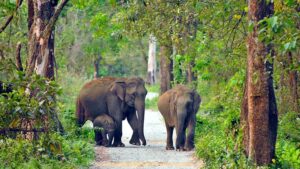
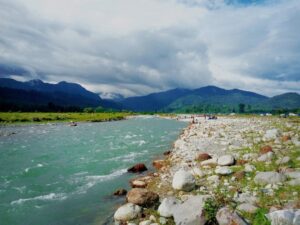
And then there’s the forest. Manas National Park isn’t far away, and its influence is unmistakable. The region carries a conservation instinct that isn’t born from policy documents. It comes from proximity. People talk about elephants not as wildlife but as neighbours who sometimes wander too close. The boundary between human settlement and forest isn’t a clean line. It shifts, sometimes daily.
That relationship with nature defines Kokrajhar more deeply than any municipal boundary ever could.
Cultural Pride Without Performance
Kokrajhar has a quiet cultural confidence. You won’t see the region oversell its traditions for tourists. The dance, music, crafts, and rituals still feel lived rather than staged. Bodo weavers create textiles that carry generations of skill, and they do it without ceremony. Musicians keep alive instruments and rhythms that belong to this soil. Festivals aren’t curated events. They’re embedded in households, neighbourhoods, and community spaces.
And yet, Kokrajhar is not frozen in cultural nostalgia. It absorbs influences from across Assam and the Northeast. Pop culture from Korean dramas to Assamese indie music shapes the tastes of its young crowd. English schools stand next to traditional singing schools. It’s a town comfortable with having several identities at once.
The Challenges It Has Learned to Navigate
What this really means is that Kokrajhar carries layers of complexity. Development hasn’t always kept pace with need. Healthcare gaps persist. Road conditions vary widely as you move away from the highway. Employment opportunities often push the youth toward cities. Flooding affects pockets of the district. And although peace has held for years, the memory of conflict shapes people’s expectations from leaders and institutions.
But Kokrajhar doesn’t talk about its challenges with bitterness. It talks about them with determination. There’s a sense of wanting to move past old divisions without forgetting why they mattered.
Where Politics Feels Local
Politics here isn’t distant. People speak about it with the same ease they use to discuss farming or the price of rice. Local leadership matters. Local issues matter. Land, rights, identity, development, representation—these aren’t abstract concepts. They’re part of everyday conversation.
The town is filled with offices, party flags, meetings, rallies, debates, and community discussions. It’s not chaotic. It’s normal. Politics feels like a living system here, not something that exists far away in a capital city.

The Everyday Faces That Anchor the Place
If you want to understand Kokrajhar, sit with a tea seller near the bus stand, or with a group of teachers waiting for school to reopen after the rain, or with farmers resting after a morning in the fields. They speak in a language of practical hope. They know the region’s faults, they know its troubles, and they still speak of it with pride.
That pride isn’t performative. It comes from survival, community, and a sense that this land has given them an identity no city could replace.
Why Kokrajhar Matters Today
Kokrajhar stands at a crossroads where history, culture, conflict, resilience, and ambition meet. It’s not trying to imitate Guwahati or Siliguri or any other northeastern hub. It’s building itself in its own rhythm, on its own terms.
To understand Assam beyond its capital, you start here—where borders shape trade, where forests shape life, where culture breathes quietly, and where people rebuild their future with both caution and conviction.
Kokrajhar won’t overwhelm you when you arrive. But if you give it time, it reveals a depth you don’t forget.
Promotional | North East Integration Rally