

Government programs and fintech-driven initiatives are accelerating this movement by improving access to credit, property ownership, and digital literacy—the pillars of genuine empowerment
 KRC TIMES Desk
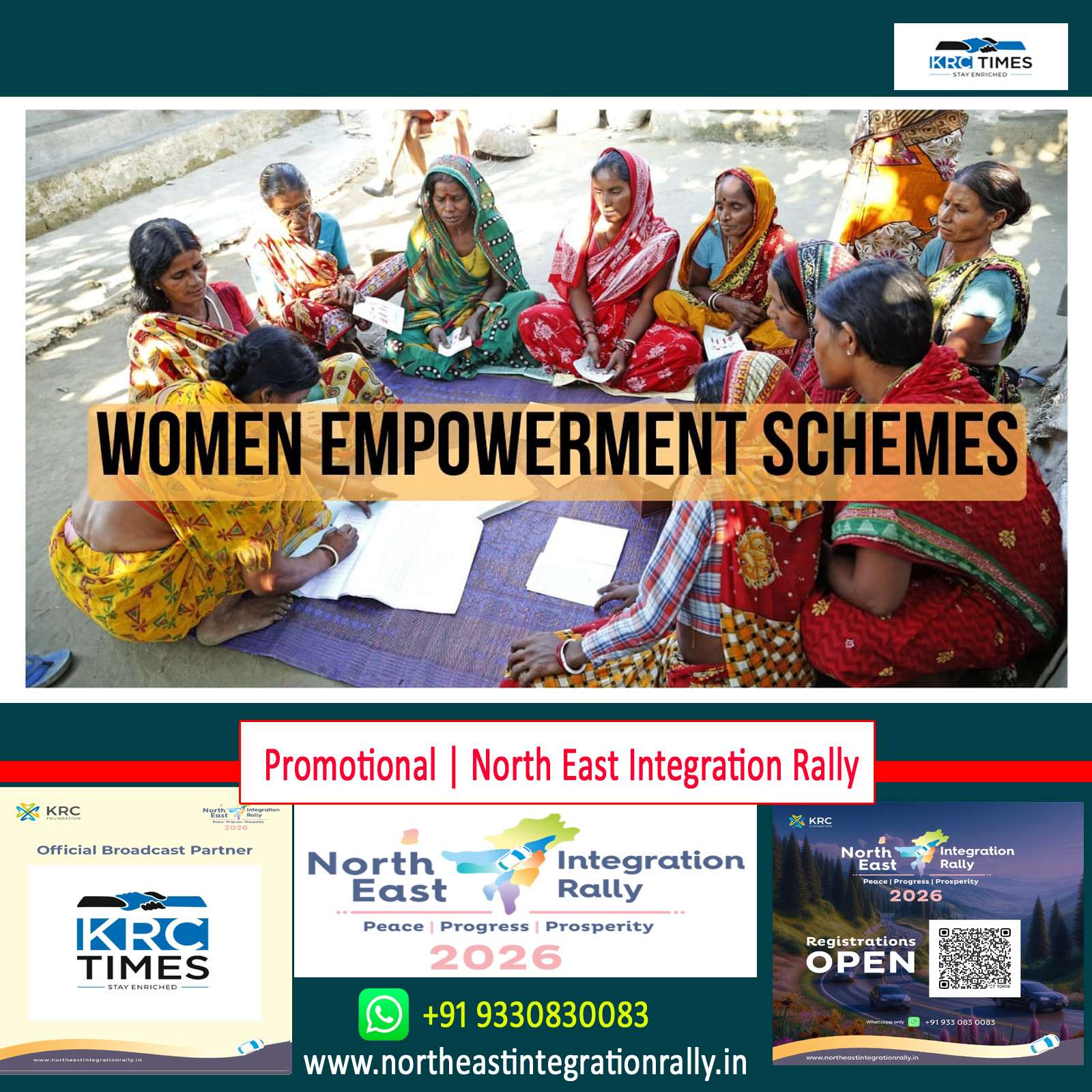
Across India’s smaller towns and rural belts, women are redefining business and financial independence. They’re running self-help groups, launching micro-enterprises, and using digital tools to take charge of their economic futures. The Bharat Women in Business & Aspirations Index (BWAI) 2025 found that 58% of women entrepreneurs in Tier 2 and 3 cities want to strengthen their financial and business skills—a clear sign of ambition fueled by access, awareness, and opportunity.
Government programs and fintech-driven initiatives are accelerating this movement by improving access to credit, property ownership, and digital literacy—the pillars of genuine empowerment.
Here are five initiatives leading the way:
- Lakhpati Didi Scheme
Under the National Rural Livelihood Mission (NRLM), the Lakhpati Didi Scheme aims to create two crore women earning at least ₹1 lakh annually through self-employment by 2029. The program helps members of Self-Help Groups (SHGs) become entrepreneurs by connecting them to credit, digital tools, and markets. Women receive training in sectors such as dairy, tailoring, agriculture, and digital services, turning small ventures into steady sources of income. The initiative has already transformed the lives of 1.5 crore women who now earn more than Rs.1 lakh a year, halfway toward the goal of three crore. - Pradhan Mantri Awas Yojana (PMAY)
PMAY goes beyond housing—it’s a key driver of asset ownership for women. The policy requires that women be included as co-owners or sole owners in property documents, giving them collateral for credit, better social standing, and long-term financial security. As of August 2025, over 1.2 crore houses have been sanctioned, with three-fourths already completed. For women in Tier 2 and 3 areas, owning a home translates into financial credibility and a stronger role in family and community decisions. - Support to Training and Employment Programme (STEP)
Run by the Ministry of Women and Child Development, STEP provides training and capacity-building for women, especially in rural and marginalized areas. Covering ten sectors—from agriculture and handlooms to hospitality and IT-enabled services—the program equips women with employability and entrepreneurial skills. Its focus on digital and financial literacy prepares participants to engage with the formal economy and launch small enterprises. The program’s real impact lies in helping women gain both income and confidence. - Udaan Chronicles
Tide’s Udaan Chronicles is a mentorship and advocacy roadshow supporting small business owners, particularly women in semi-urban and rural India. It focuses on financial education, practical business management, and access to credit and digital tools. The initiative works alongside the Bharat Women Aspiration Index (BWAI) and Local Role Model Programme, building networks of women entrepreneurs who inspire and support each other while driving local economic growth. - Digital Naari Initiative
PayNearby’s Digital Naari program builds a community of micro-entrepreneurs who act as “banking and digital Didis” within their neighborhoods. These women help others access banking, insurance, health, and credit services while securing their own livelihoods. More than 1.5 lakh women across 10,000+ PIN codes now handle transactions worth over ₹10,000 crore annually. Over 60% are first-time entrepreneurs earning Rs.3,500–Rs.5,000 a month, proving how local women can become agents of financial inclusion.
PayNearby collaborates with State Rural Livelihood Missions, microfinance institutions, and NGOs like UPSRLM, Rajeevika, and Grameen Foundation India to expand its reach and deepen its grassroots impact.
Fintech as a Change Agent
Fintech platforms are reshaping how women access and manage money. From digital payments and savings tools to microloans and upskilling programs, they’re helping women shift from dependence to entrepreneurship. As India moves toward a $5 trillion economy by 2027 and a projected $30 trillion by 2047, empowering women through financial inclusion isn’t just about equality—it’s a key driver of national growth.
Promotional | North East Integration Rally