

According to officials, approximately 7,227 new gun licences were issued across various districts following the outbreak of violence
 KRC TIMES Manipur Bureau
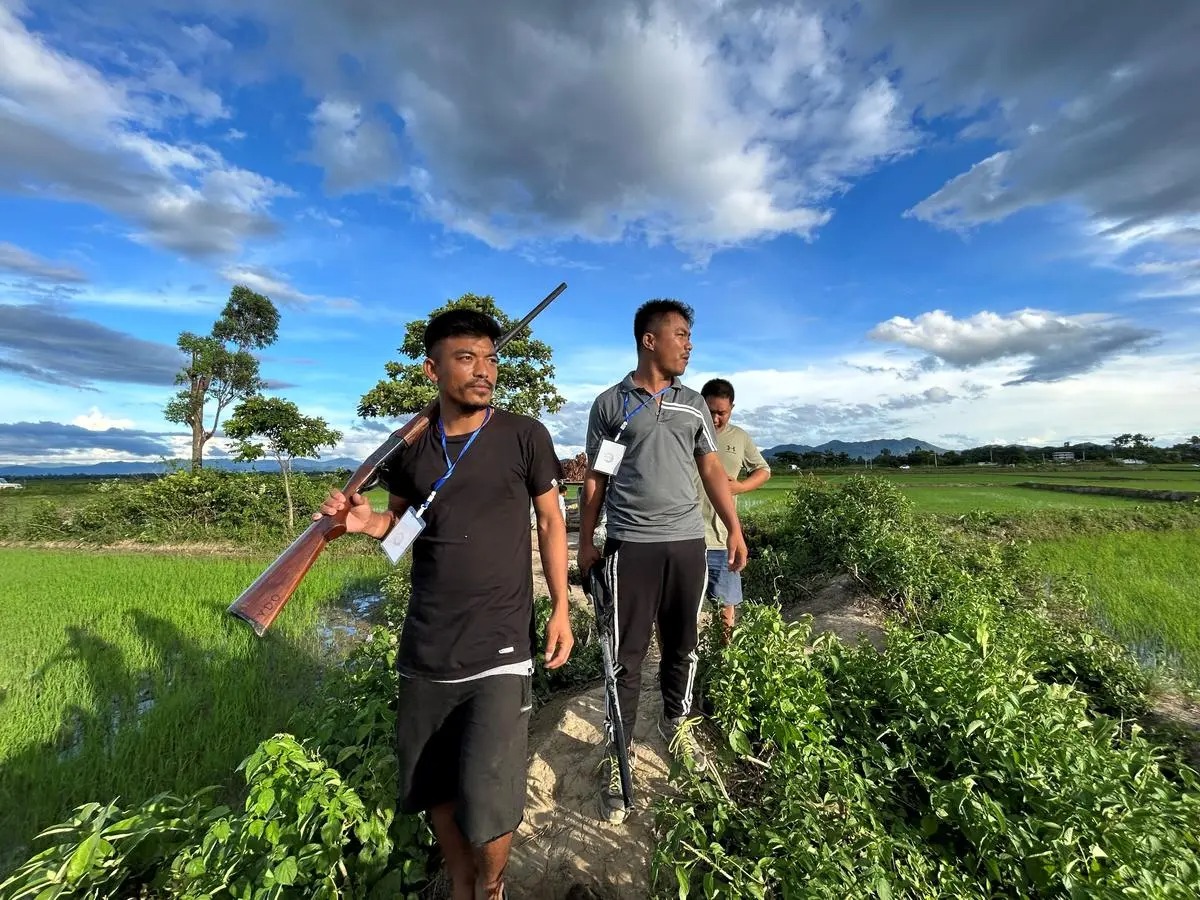
Imphal : The number of active gun licences in Manipur has witnessed a sharp rise since ethnic violence erupted in May 2023, with official figures indicating a significant uptick in applications and approvals over the past two-and-a-half years.
Data available with the state authorities show that active firearm licences stood at 26,836 in December 2016. This number rose to 35,117 by July 2023 and has now climbed to 42,344 as of February 2026.
Between July 2023 and February 2026 alone, the number of registered licence holders increased by 20.58 per cent. Officials attribute the surge largely to the fallout of the ethnic conflict that broke out on May 3, 2023, and continues to cast a long shadow over the state’s security landscape.
The violence, which affected several districts across Manipur, has claimed more than 260 lives and displaced over 60,000 people, triggering deep insecurity among communities and prompting a spike in demand for licensed firearms.
According to officials, approximately 7,227 new gun licences were issued across various districts following the outbreak of violence. The trend reflects a broader pattern since the current government assumed office in March 2017.

Since the Bharatiya Janata Party (BJP)-led government came to power in the state in 2017, around 15,000 firearm licences have been granted. While applications for gun licences were already on a gradual rise in the years preceding the unrest, the scale and pace of issuance accelerated sharply after May 2023.
Authorities said the spike was particularly visible during the peak of the clashes.
“Under normal circumstances, we receive not more than 50 applications a month. During the height of the violence, the number rose to at least 300 applications per day,” a senior official involved in the licensing process said.
The surge put considerable administrative pressure on district authorities responsible for background verification, threat assessment and compliance checks under the Arms Act.
Before the violence, several residents from valley districts were reportedly applying for gun licences in hill districts such as Senapati, Kangpokpi and Tengnoupal.
Officials indicated that applicants from the valley sometimes anticipated potential rejection during police verification in their home districts and therefore sought to file applications in hill districts where they believed scrutiny might differ.
However, following the outbreak of violence and the tightening of administrative oversight, this pattern has largely changed. Applicants from valley areas have since been submitting applications within their respective districts, in line with stricter verification norms introduced after the unrest.
Authorities said the government has strengthened district-level scrutiny mechanisms to ensure that applications are processed in accordance with domicile and jurisdictional requirements.
Under the Arms Act, firearm licence holders are required to renew their permits every two years. Failure to do so renders the weapon illegal, exposing the holder to prosecution.
Officials said that with the rise in the number of licence holders, the government has stepped up efforts to monitor renewals and identify cases of misuse or non-compliance. Notices have been issued to licence holders to ensure timely renewal and to prevent lapses.
There have also been reports in certain districts of individuals with criminal records possessing licensed firearms. Authorities acknowledged the concern and said that background verification remains a crucial component of the licensing process.
“Inspection of the weapon and verification of credentials are part of the standard procedure. Only those who can demonstrate a credible threat to their lives are generally granted licences,” an official said.
The state administration has indicated that periodic reviews are being conducted to reassess existing licences and to identify any irregularities.
The rise in licensed firearms comes at a time when Manipur continues to grapple with efforts to restore normalcy after prolonged ethnic tensions. Security forces remain deployed in several sensitive areas, and sporadic incidents of violence have been reported even as the intensity of clashes has reduced compared to the initial months following May 2023.

The increase in legally held firearms has drawn attention from security observers, who note that while licensed weapons are regulated under law, their proliferation in a conflict-affected region can complicate the broader law and order situation.
Officials maintain that the licensing framework is designed to balance individual security concerns with public safety considerations. They argue that in a climate of heightened fear and displacement, many residents sought firearms as a means of self-protection rather than aggression.
At the same time, authorities acknowledge the need for strict oversight to prevent diversion, misuse or unlawful deployment of licensed weapons.
The sharp increase in applications since 2023 has also added to the administrative workload of district magistrates and police verification teams. Processing hundreds of applications daily during peak unrest required additional manpower and accelerated scrutiny mechanisms.
While the rate of fresh applications has moderated compared to the peak months of violence, officials say it remains higher than pre-2023 levels.
With the total number of active gun licences now exceeding 42,000, the state government is expected to continue reviewing licensing practices, compliance standards and monitoring mechanisms to ensure that the proliferation of firearms does not undermine ongoing stabilisation efforts.
As Manipur navigates a fragile recovery phase, the rise in licensed weapons underscores the enduring sense of insecurity among sections of the population – and the complex challenge facing authorities in balancing personal safety with public order.