


The clarification comes amid ongoing debates over citizenship verification and documentation
 KRC TIMES National Bureau
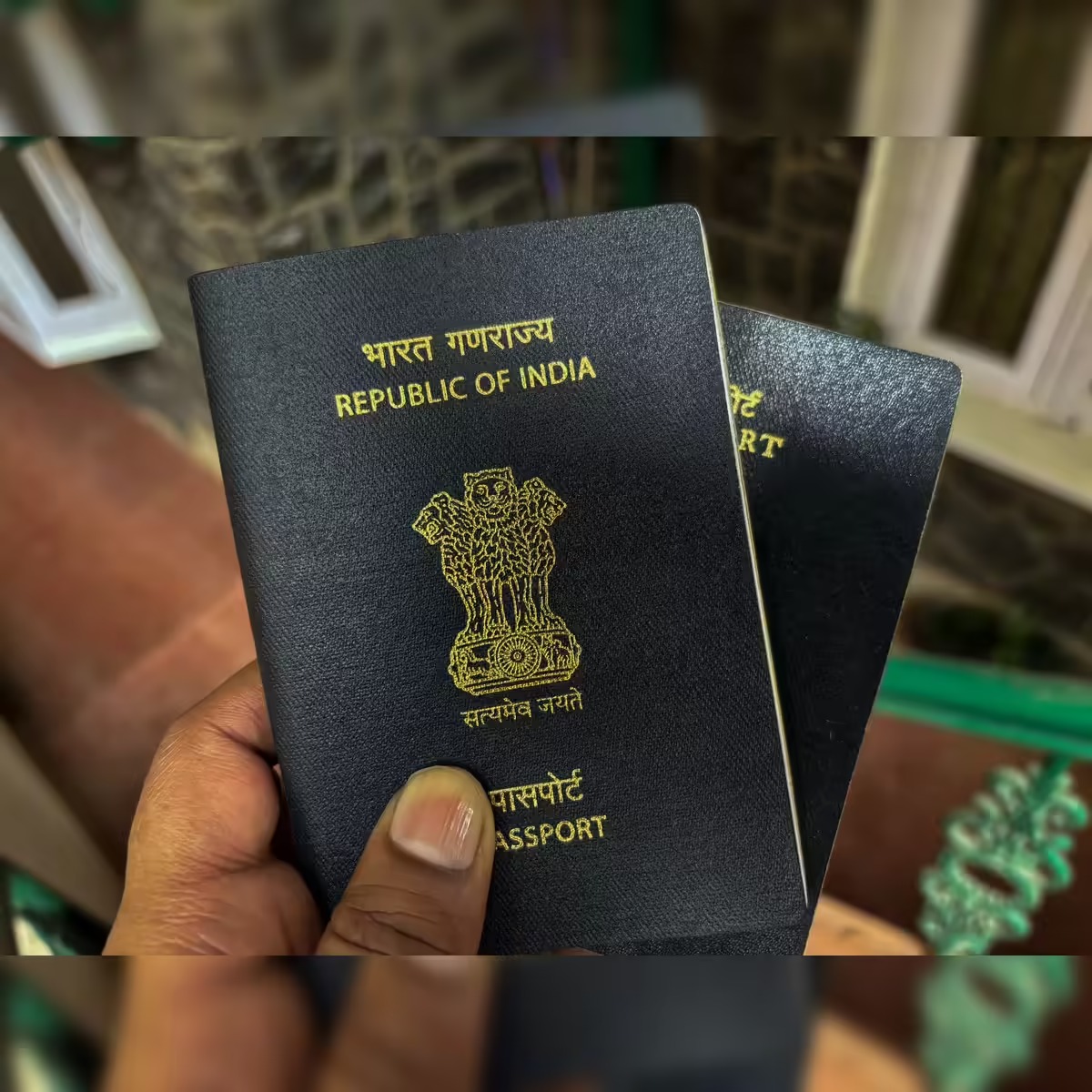
The Ministry of External Affairs (MEA) has clarified that an Indian passport is primarily a travel document and not a conclusive citizenship document, drawing attention to the legal distinction between evidence of citizenship and definitive proof of citizenship.
A senior MEA official said on Wednesday that the purpose of an Indian passport is to facilitate international travel and transit through foreign territories. While a passport serves as strong evidence of Indian nationality, it should not be treated as the sole or final proof of citizenship in cases where citizenship status is disputed.
Under the Passports Act, 1967, passports are issued only for international travel and can generally be granted only to Indian citizens. The Passport Manual states that a passport provides evidence of the holder’s nationality but is one among several documents that may be considered while determining citizenship.
The clarification comes amid ongoing debates over citizenship verification and documentation. The MEA distinguished betweend documents that indicate citizenship and those that provide conclusive legal proof under the Citizenship Act, 1955.
Legal precedents have reinforced the importance of passports as evidence of nationality. In the landmark Maneka Gandhi vs Union of India case (1978), the Supreme Court observed that the issuance of a passport is based on proof that the holder is an Indian national entitled to the protection of the Indian state abroad.

Send your resume:
biswa@jigyasu.co.in
krcfoundation@gmail.com
However, the law also allows exceptions. Under Section 20 of the Passports Act, the Central Government may issue a passport or travel document to a non-citizen if it considers such action necessary in the public interest. In 2023, the Madras High Court directed authorities to consider a passport application from a legally stateless woman born to Sri Lankan refugees under this provision.
The discussion has gained significance in the context of electoral roll revisions and citizenship verification exercises. While passports have been accepted as one of several indicative documents during voter verification processes, the government has not specified any single document as definitive proof of citizenship.
The Supreme Court, in a May 2026 judgment on the Special Intensive Revision (SIR) of electoral rolls, held that Aadhaar is not proof of citizenship and can only establish identity. At the same time, the court reiterated that inclusion in the electoral roll carries a presumption of citizenship unless challenged through due legal process.
India’s citizenship laws have evolved over the years through amendments in 1986, 2003, 2005, 2015 and 2019. The changes progressively tightened citizenship-by-birth provisions, particularly for children born to illegal migrants, while the Citizenship (Amendment) Act, 2019 introduced a separate route to citizenship for specified minority communities from Pakistan, Bangladesh and Afghanistan.
The MEA’s clarification underscores that citizenship in India is ultimately determined under the Citizenship Act and related laws, while a passport remains primarily a document enabling international travel and serving as evidence, but not final proof, of citizenship.