


Keeping the Mind and Body Active Throughout Life
 KRC TIMES Desk
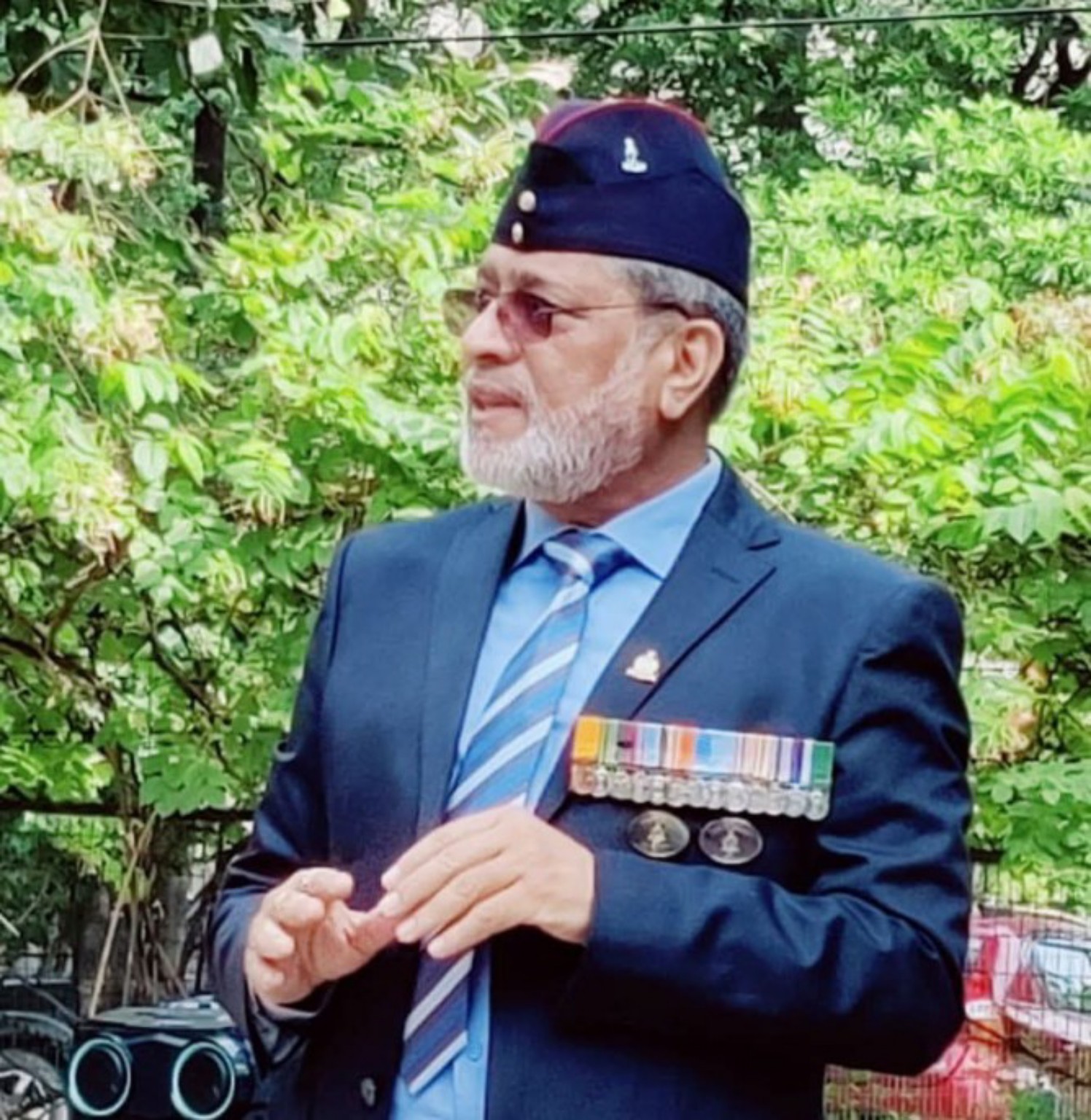
Col (Dr.) Ashwani Kumar, MiD, VSM (Retd).
The body grows old with time, but the mind grows old only when it stops learning, thinking, and writing.
During my years in the Army, one lesson was ingrained in every soldier from the very first day, never allow your body or mind to become inactive. Whether deployed in the scorching deserts of Rajasthan, the icy heights of Siachen and Ladakh, the dense jungles of the Northeast, or the rain soaked mountains of Kashmir, a soldier begins his day with physical training and games. These are not merely routines, they are investments in strength, endurance, flexibility, discipline, and mental resilience.
Rain or shine, blistering heat or freezing snow, the soldier trains because he knows that fitness is not an event it is a way of life.
Retirement from the Armed Forces does not mean retirement from life. The uniform may come off, but the discipline should never fade. As veterans, we must continue to keep ourselves physically active through regular walks, exercise, yoga, or sports. Equally important, however, is keeping the mind active, and one of the simplest and most effective ways to do so is by writing with a pen every day.
Recently, I read an article in a medical journal recommending that veterans should write by hand every day, even if it is only five lines. This simple habit helps preserve fine motor skills, maintains steady handwriting, improves coordination between the brain and the hand, and may reduce the chances of hand tremors as we age. More importantly, when the moment comes to sign an important document, fill out a bank cheque, or write a heartfelt letter, our hands respond with confidence rather than hesitation.

Writing is not merely putting ink on paper. It is an exercise for the brain. Every written word activates memory, concentration, creativity, and emotional expression. It keeps the mind engaged and alert.
This message is equally important for the younger generation.
Today’s youth have become almost entirely dependent on laptops, tablets, and mobile phones. While technology has transformed our lives, it should never replace the timeless skill of handwriting. Studies have consistently shown that writing by hand improves learning, strengthens memory, sharpens concentration, and stimulates creativity in ways that typing often cannot.
I would encourage every young person to spend just ten minutes each day with a notebook and pen. Write your thoughts, your dreams, your daily experiences, or simply your gratitude. These few minutes will strengthen not only your handwriting but also your ability to think clearly and express yourself effectively.
For veterans, writing is another way of serving the nation. Our experiences, lessons from service, leadership, courage, sacrifices, and values are a priceless legacy. If we do not write them down, an important part of our nation’s history may be lost forever.
As soldiers, we trained our bodies every day. As veterans, we must now train both our body and our mind every day. A brisk walk keeps the legs moving, a pen keeps the mind alive.
Remember:
“A soldier never truly retires, he simply changes his battlefield.”
Today, our battlefield is against inactivity, loneliness, forgetfulness, and ageing. Our weapons are discipline, exercise, reading, writing, and a positive attitude.
Let us inspire the next generation not only through our stories but also through our example.
Pick up a pen.
Write five lines every day.
Walk a few kilometres.
Read a few pages.
Learn something new.
Because an active body gives strength, an active mind gives purpose, and an active pen leaves behind a legacy.
“The hand that once defended the nation should never stop writing its story.”

