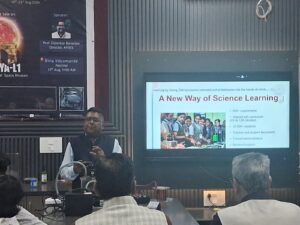
Dr. Singh stressed that practical learning should become an integral part of the school curriculum rather than being treated as an optional activity
 Biswadeep Gupta
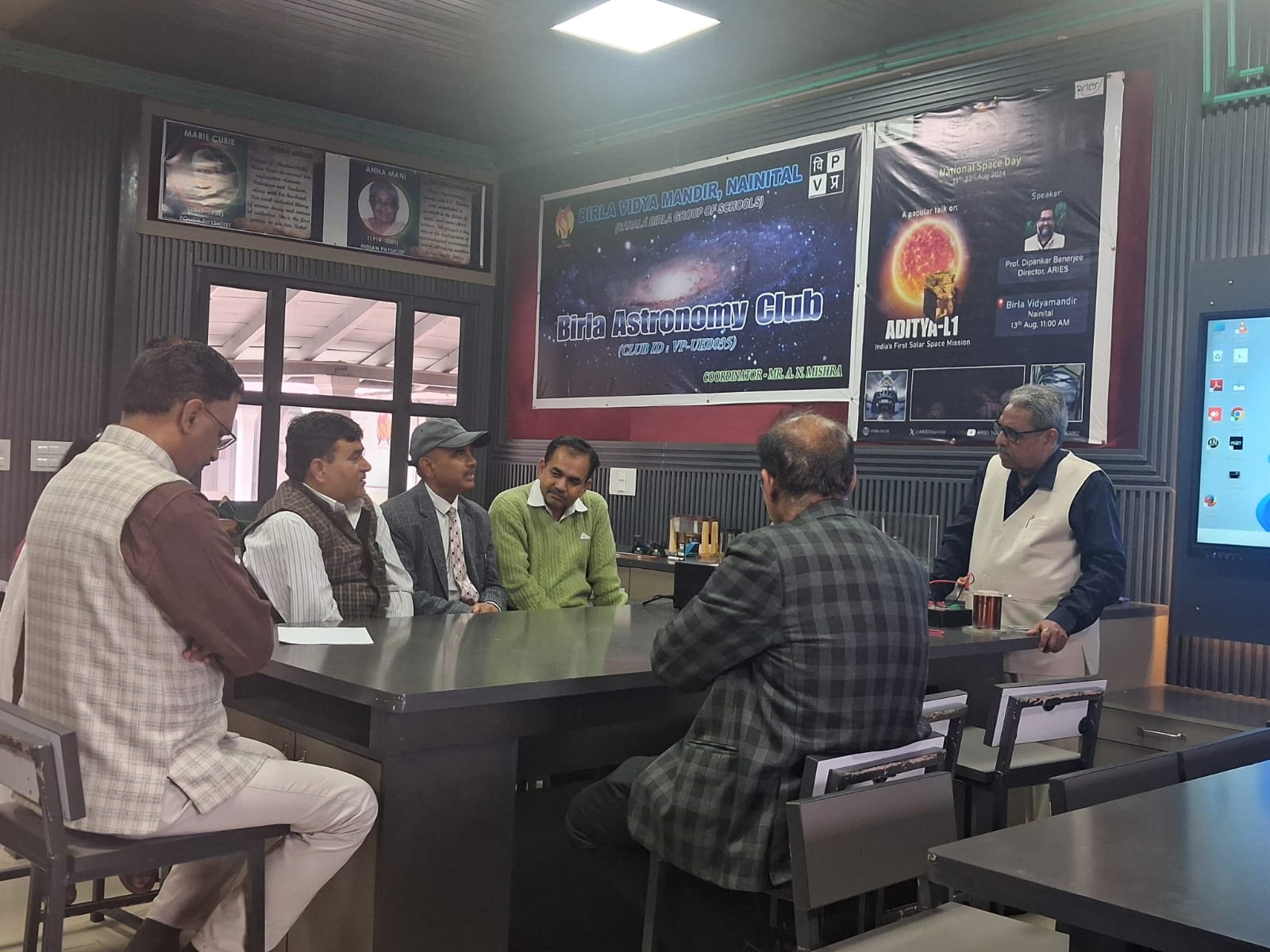
Science education cannot be effective without practical learning, and school laboratories must evolve from being mere rooms filled with equipment into vibrant spaces where students develop curiosity, creativity and problem-solving skills. This was the central message shared by renowned educationist Dr B Singh during an interview with Biswadeep Gupta, founder of the 5E for Success philosophy.
Dr Singh, who has spent decades in the field of education as a teacher, principal and academic leader, is currently engaged in consulting on school management and educational development. Drawing from years of experience and extensive research, he expressed concern over the poor utilisation of science laboratories in schools across India.
According to Dr Singh, a survey conducted in more than 1,000 schools revealed that while many institutions have invested in setting up science laboratories, the facilities are often underused. In many schools, expensive equipment remains locked away or is used only during examinations, defeating the very purpose of practical science education.
“Science is not something students should only read about in textbooks. It must be experienced through observation, experimentation and discovery,” he said.
He observed that only a small number of well-managed schools have laboratories that function efficiently throughout the academic year. In most cases, laboratory sessions are irregular, equipment is poorly maintained, and students receive limited exposure to hands-on experiments.
Dr. Singh stressed that practical learning should become an integral part of the school curriculum rather than being treated as an optional activity. Every school, he suggested, should prepare a well-planned practical-based curriculum that clearly outlines laboratory activities for each class. This curriculum should be displayed prominently so that both teachers and students remain aware of the practical work expected during the academic session.
He also emphasised the need for schools to maximise the utility of laboratory resources. “Buying equipment is not enough. Schools must ensure that every instrument is used effectively and regularly,” he said.
One of his innovative suggestions was to connect classroom learning with skilled professionals from the community. Students, he said, can gain valuable practical knowledge by interacting with people such as plumbers, electricians, gardeners and other skilled workers. Such collaborations would help students understand how scientific principles are applied in everyday life, making learning more meaningful and relevant.

Dr Singh also highlighted the importance of creating awareness among young people about the value of scientific thinking. Schools, he suggested, should organise regular awareness programmes through slogans, talks, group discussions, role plays, debates and poster competitions. Importantly, parents and family members should also be involved in these initiatives so that scientific learning extends beyond the classroom.
He further recommended that schools introduce systematic mechanisms to improve laboratory management. Proper maintenance of laboratory registers, regular quality audits, continuous monitoring and periodic observations should become standard practice. These measures, he said, would help ensure that laboratories remain functional, safe and beneficial for students throughout the year.
“Monitoring is not about finding faults. It is about ensuring that laboratories continue to serve their educational purpose,” Dr Singh explained.
Reflecting on the broader objective of science education, Dr Singh said that laboratories should inspire students to ask questions, investigate problems and develop innovative solutions. When laboratories become active learning spaces rather than storage rooms, they can play a crucial role in nurturing scientific temper among young learners.
As India’s education system continues to place greater emphasis on experiential learning under the National Education Policy, Dr Singh believes that strengthening laboratory education should become a priority for schools, policymakers and educators alike.
His message is clear: meaningful science education requires more than infrastructure. It requires consistent use, effective planning, community participation and a commitment to making practical learning an everyday experience for every student.