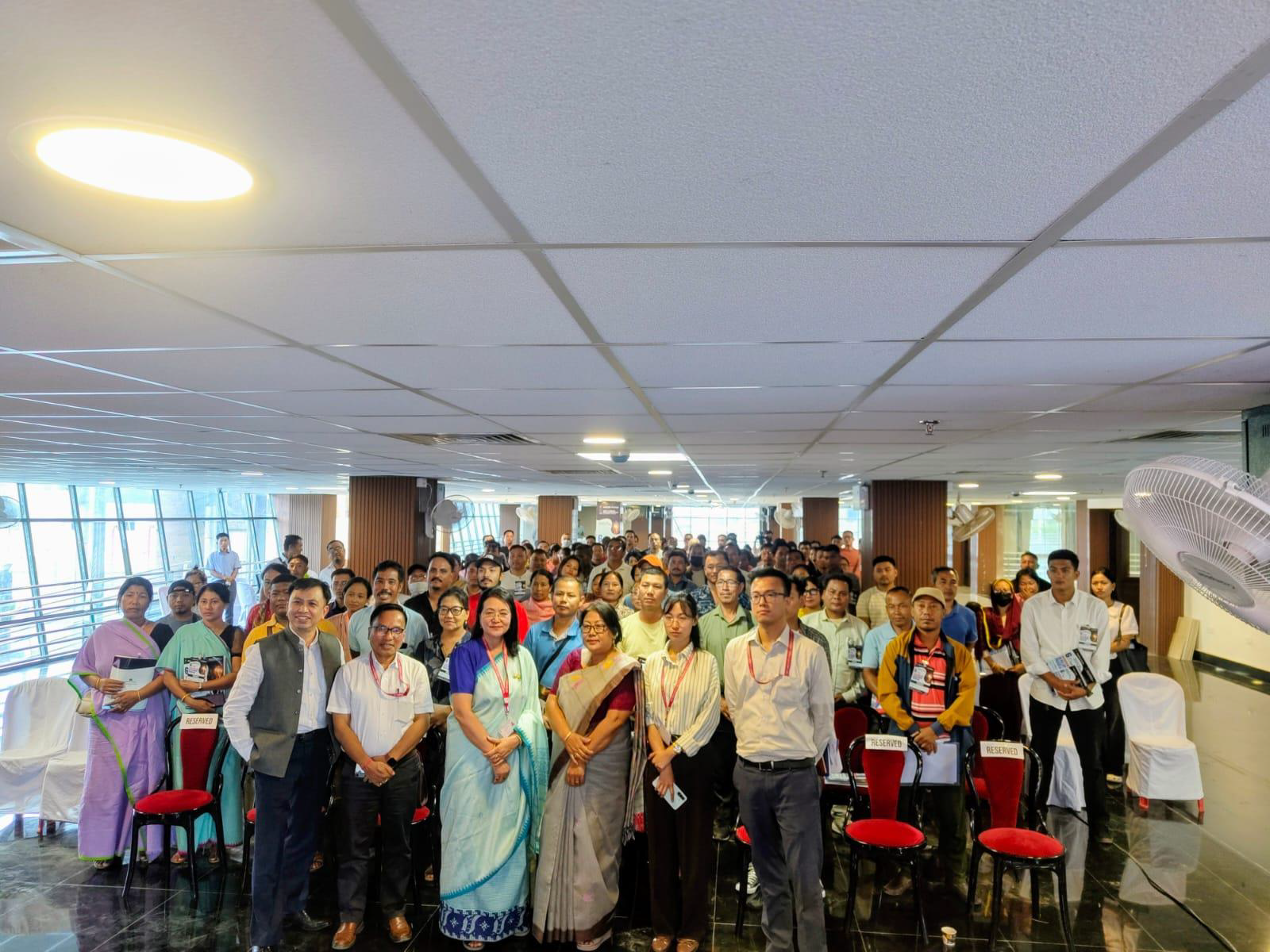
Haobam Joyremba Advocates for Inclusive AI Governance and Opportunities for Smaller Communities
 Biswadeep Gupta
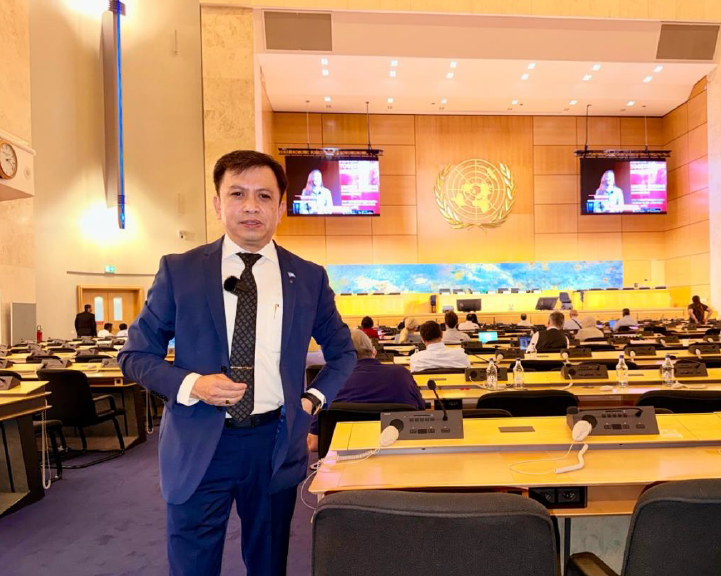
Imphal | Bringing global attention to the aspirations and challenges of smaller communities, Haobam Joyremba, Managing Director & CEO of CubeTen Technologies Pvt. Ltd., represented the North East of India at the prestigious AI for Developing Countries Forum (AIFOD) Geneva Summit 2026, held at the United Nations Office at Geneva (Palais des Nations), Switzerland, from 12th to 14th August 2026. The three-day summit brought together policymakers, researchers, entrepreneurs, innovators, diplomats, civil society leaders and technology experts from across the developing world to deliberate on the future of Artificial Intelligence and its role in achieving equitable global development.
The Geneva Summit attracted more than 500 delegates representing over 120 countries, making it one of the most significant international gatherings dedicated to ensuring that Artificial Intelligence benefits developing nations and emerging economies. The summit served as a platform for governments, academia, startups, international organisations and industry leaders to discuss how AI can become an instrument of inclusive growth rather than a driver of inequality.
Haobam Joyremba was the only participant from the North Eastern region of India, highlighting the growing recognition of Manipur’s emerging role in digital innovation and AI-driven governance. His participation provided an opportunity to present the experiences and aspirations of smaller states and underrepresented communities before a global audience comprising AI experts, policymakers and development practitioners. His contribution in the previous editions at the UN ( Geneva), UN (Vienna), UN (Bangkok) and this is a remarkable achievement.
Throughout the summit, delegates participated in a series of keynote addresses, panel discussions, technical sessions and collaborative working groups covering a wide spectrum of issues surrounding Artificial Intelligence. Among the key themes discussed were AI Governance and Policy Frameworks, Responsible and Ethical AI, AI for Public Services, Small Language Models, AI for Healthcare and Agriculture, Digital Public Infrastructure, AI and Education, Data Sovereignty, Open-Source AI, AI Safety, Cybersecurity, Climate and Disaster Resilience, Digital Inclusion, and Financing AI Innovation in Developing Countries.
Several sessions also examined the growing need for international cooperation to ensure that developing countries are not merely consumers of AI technologies but active contributors to their development and governance.
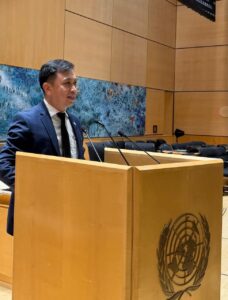
During the conference, Joyremba actively participated in several working groups and collaborative policy discussions, contributing perspectives on AI governance, digital transformation, startup ecosystems, and the role of Artificial Intelligence in strengthening governance mechanisms in developing regions. These working groups focused on identifying practical recommendations that can support governments in adopting AI responsibly while ensuring transparency, accountability and equitable access to emerging technologies.
Drawing from the experiences of Manipur and the North East, Joyremba pointed out that while global AI models are largely designed for resource-rich economies, smaller communities often face entirely different challenges.
He highlighted several key concerns, including:
• Limited digital infrastructure and access to high-performance computing.
• Scarcity of AI researchers and skilled technical manpower.
• Lack of datasets in indigenous and regional languages.
• Challenges in preserving cultural identity and local knowledge in the age of AI.
• Limited policy and regulatory capacity within smaller governments.
• Risks of over-dependence on technologies developed outside local ecosystems.
At the same time, he stressed that these very challenges present enormous opportunities. According to Joyremba, smaller communities possess unique strengths that can make them leaders in responsible AI adoption. These include close-knit communities, faster policy implementation, locally relevant governance models, strong traditional knowledge systems, and the ability to rapidly deploy AI solutions in sectors such as agriculture, healthcare, education, disaster management and tourism.
He called upon international organisations to invest in the development of Small Language Models (SLMs) rather than relying solely on large language models. Such models, he argued, would enable communities speaking languages with limited digital resources to participate meaningfully in the AI revolution while preserving their linguistic and cultural heritage. Speaking during the discussions, Joyremba also advocated for the creation of regional AI innovation hubs, shared computing infrastructure for smaller states, open datasets in indigenous languages, and policy frameworks that encourage startups from developing regions to build solutions addressing local challenges.

Reflecting on his participation, Joyremba remarked that the summit reinforced the importance of ensuring that developing countries become architects of AI rather than passive consumers.
“Artificial Intelligence should not be measured by the size of the models we build, but by the number of lives we improve. Smaller communities like Manipur possess immense knowledge, culture and resilience. With the right policy support, digital infrastructure and international collaboration, these communities can emerge as global contributors to responsible AI innovation,” he said.
Joyremba also highlighted several initiatives being undertaken by CubeTen Technologies Pvt. Ltd. in collaboration with the Government of Manipur, particularly in areas such as digital governance, AI-enabled public service delivery, startup incubation, GIS technologies, education and digital transformation. He noted that the experiences gained from these initiatives could serve as practical examples for other developing regions seeking to leverage AI for governance and public welfare.
For Manipur, Joyremba’s representation at the United Nations carries symbolic significance, demonstrating that innovation emerging from smaller states can contribute meaningfully to global policy discussions. His participation also reinforces the message that the future of Artificial Intelligence must be inclusive, locally relevant and accessible to all communities, irrespective of their size or geographical location.
The Geneva Summit concluded with a strong call for continued international collaboration to ensure that Artificial Intelligence remains a tool for sustainable development, economic empowerment and social inclusion. As countries continue to formulate their AI strategies, voices from smaller communities such as Manipur are increasingly becoming an essential part of the global conversation, ensuring that the next generation of AI technologies reflects the diversity, aspirations and realities of the entire world rather than a select few.