

Nearly 50 Km Still Pending
 KRC TIMES NE Desk
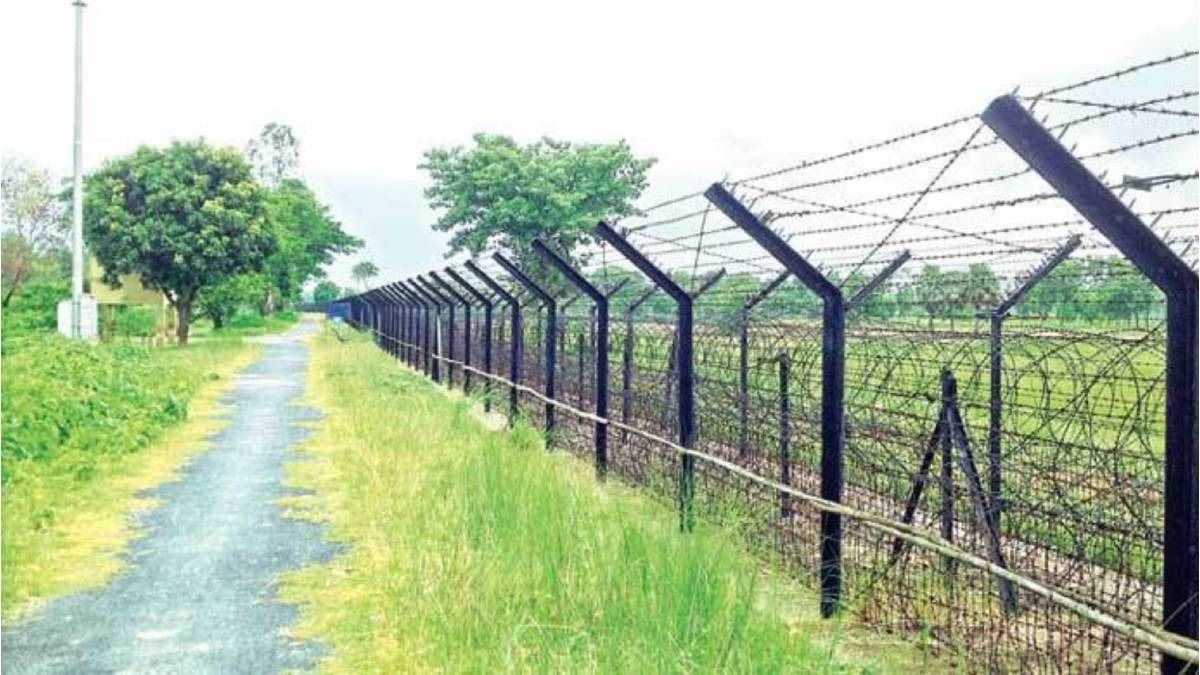
AGARTALA | Tripura has completed 805.99 kilometres of barbed-wire fencing along its 856-kilometre international border with Bangladesh, leaving nearly 50 kilometres still unfenced, the state Home Department informed the Assembly.
The details were provided in a written response to a question raised by Tipra Motha MLA Ranjit Debbarma, who sought an update on the progress of border fencing, including the stretches where construction remains incomplete and steps being taken to complete the work.
According to the Home Department, fencing is yet to be completed at several locations across the state.
The pending stretches include Belonia in South Tripura; Longtharai Valley, Kamalpur, Ambassa and Gandacherra in Dhalai district; Kanchanpur in North Tripura; Khowai; and Sonamura in Sepahijala district.

The state government has repeatedly taken up the issue with the Centre, seeking intervention to ensure that the remaining portions of the border fence are completed without further delay, the department said.
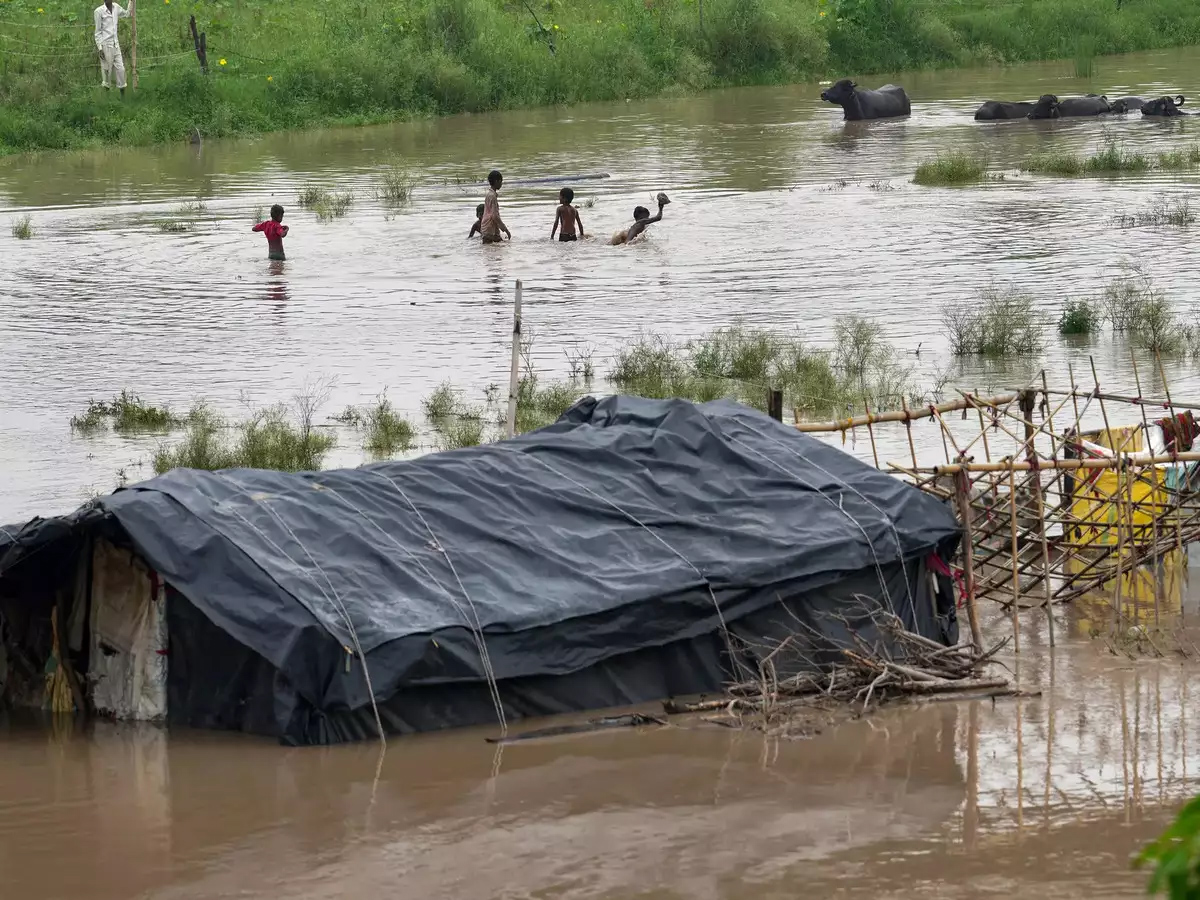
The government attributed the delay to several factors, including difficult terrain, rivers and streams along proposed fencing routes, objections raised by the Border Guard Bangladesh (BGB) and delays by agencies responsible for executing the construction work.
Tripura shares an 856-kilometre international boundary with Bangladesh, making border fencing a key component of the state’s efforts to strengthen surveillance and prevent unauthorised cross-border movement.
With nearly 50 kilometres of the boundary still awaiting fencing, the unfinished stretches continue to pose challenges for effective border management and security, particularly in areas where terrain and access constraints have slowed construction.
The state government has maintained that completing the remaining stretches is essential to strengthening border infrastructure and improving security along the international boundary.
The Assembly response comes amid continued efforts by Tripura authorities to address gaps in border infrastructure and ensure better coordination between state agencies, central authorities and border security forces.