


The Bench observed that the objective of its earlier directions on setting up dedicated courts for NIA trials had been “largely achieved”
 KRC TIMES National Bureau
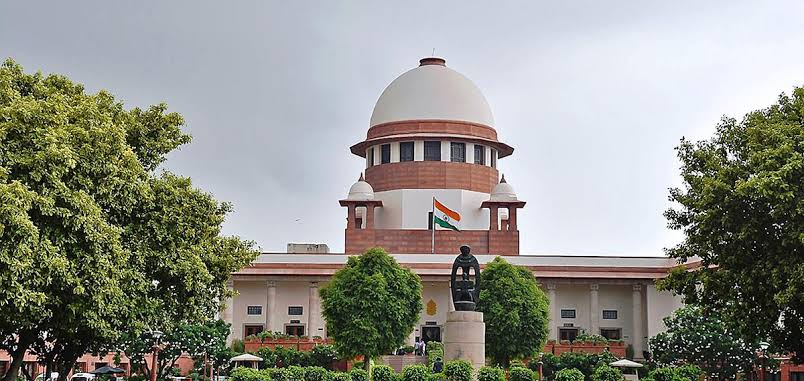
NEW DELHI : The Supreme Court has directed Assam authorities to expedite the establishment of two proposed exclusive courts for cases investigated by the National Investigation Agency (NIA) and make them operational within four weeks.
The direction came as the apex court pressed the Centre, States and Union Territories to strengthen specialised judicial infrastructure for the speedy disposal of serious cases, including those registered under the Narcotic Drugs and Psychotropic Substances (NDPS) Act.
A three-judge Bench headed by Chief Justice Surya Kant, hearing a suo motu case on the creation of exclusive special courts, on Monday noted an “alarming increase” in NDPS cases and called for the required courts to be established at the earliest. Assam already has one functional NIA court, the State’s counsel informed the court.

The Bench observed that the objective of its earlier directions on setting up dedicated courts for NIA trials had been “largely achieved”. However, gaps in judicial infrastructure remain in several States, prompting further directions.
Additional Solicitor General Aishwarya Bhati informed the Bench, also comprising Justices Joymalya Bagchi and V Mohana, that 449 special courts were required nationwide to deal effectively with NDPS cases, but only 176 were currently functional.
The Supreme Court directed the authorities concerned to take necessary steps and provide infrastructure for the remaining courts, preferably within six weeks. On NIA trials, the court was informed that eight new exclusive courts had been established across the country, taking the total number of such courts to 22.
The suo motu proceedings were initiated amid concerns over delays in NIA trials, with cases remaining pending for several years. The apex court has emphasised that expeditious disposal of such cases is necessary to safeguard the rights of both accused persons and victims while ensuring effective administration of justice.