

Himanta Sarma Targets Rahul Gandhi Over Electoral Rolls
 KRC TIMES Assam Bureau
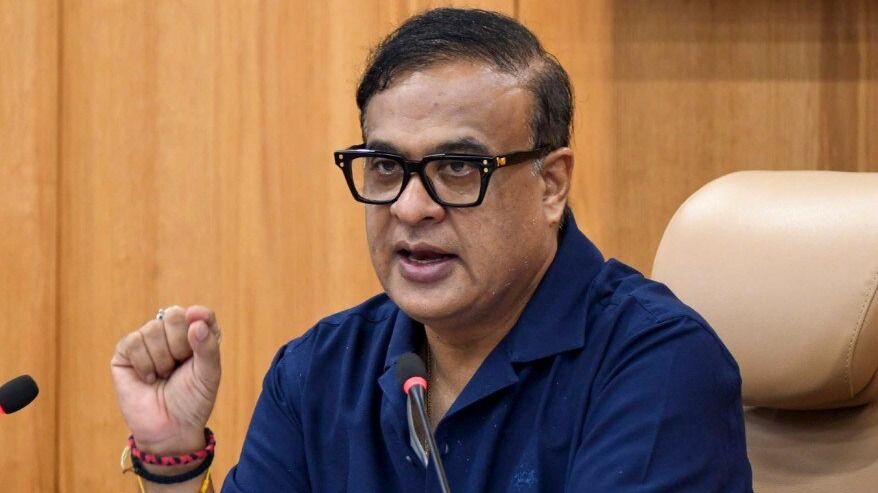
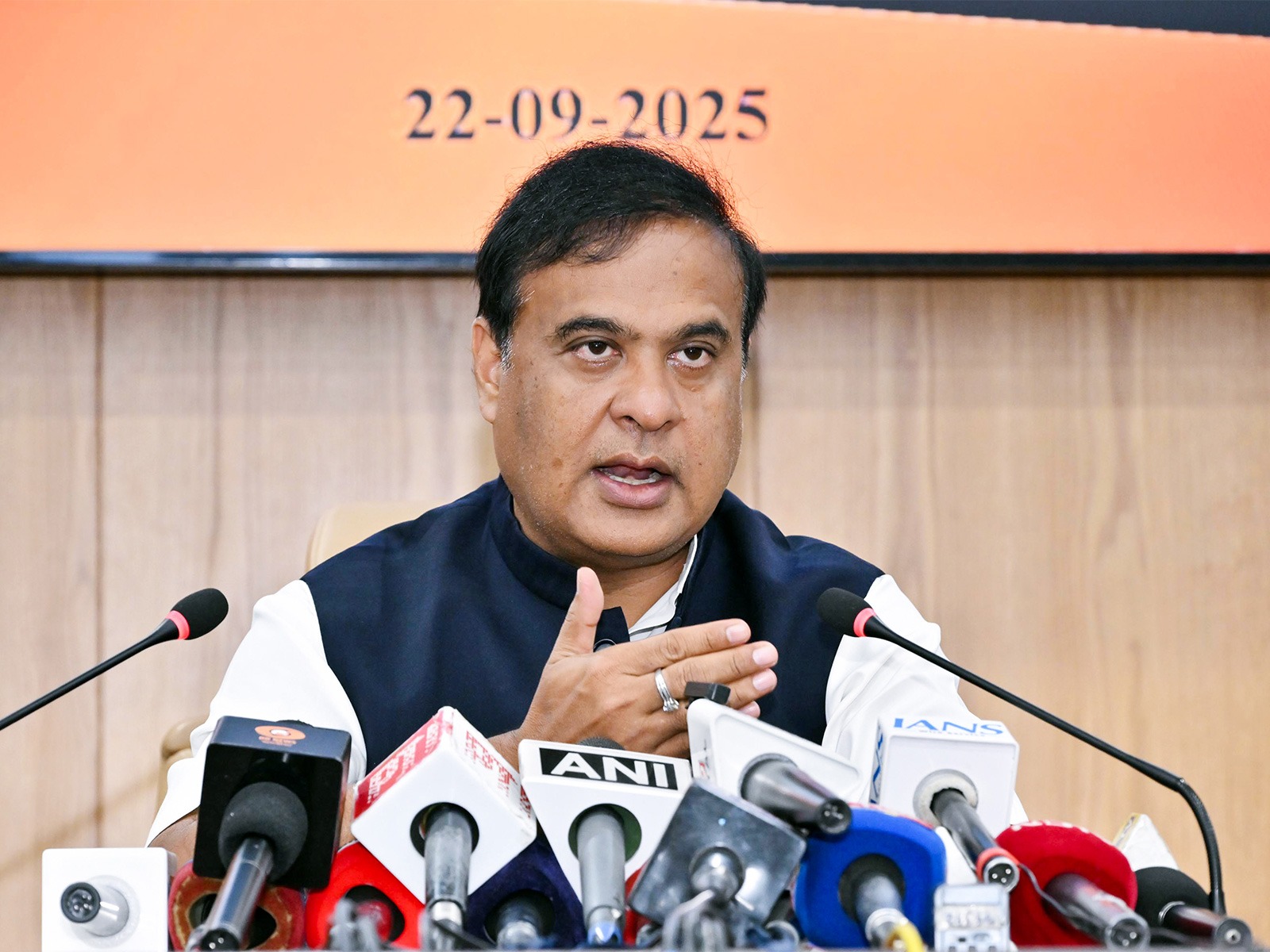
Guwahati | Assam Chief Minister Himanta Biswa Sarma on Monday defended the Special Intensive Revision (SIR) of electoral rolls, arguing that the exercise should be conducted every five years to safeguard democracy. Targeting Congress leader Rahul Gandhi, he accused the Opposition party of questioning electoral outcomes selectively and attempting to put pressure on constitutional institutions.
Addressing a press conference, Sarma said regular revision of electoral rolls was necessary to identify and remove ineligible entries, including those of alleged foreign nationals. “Every five years there should be an SIR. Only then will the democracy of the country prevail,” he said.
The chief minister cited demographic changes in Assam, West Bengal, Jharkhand and Bihar to underline the need for the exercise. He also alleged that illegal immigration from Bangladesh was contributing to these changes, although he did not present specific evidence to substantiate the claim during the press conference.
Sarma questions Congress’s stand on election results
Responding to Rahul Gandhi’s criticism of the Election Commission and electronic voting machines (EVMs), Sarma accused the Congress of adopting inconsistent positions on electoral processes. “If the Assam elections are wrong, then how is Kerala’s vote good? If Bengal’s vote is wrong, then why isn’t Tamil Nadu’s vote wrong?” he asked.

Sarma challenged the Congress to clarify its position on elections conducted under Chief Election Commissioner Gyanesh Kumar. He referred to Karnataka, Telangana, Jharkhand and Tamil Nadu, where Congress-led or Congress-allied governments are in power, and questioned why the party continued to participate in elections while raising concerns about the electoral process.
He also challenged the Congress to declare that it would not contest future elections using EVMs for as long as Kumar remained the Chief Election Commissioner. The chief minister accused the Opposition of attempting to pressure the Election Commission and the Supreme Court through protests in Delhi. He argued that such demonstrations could undermine public confidence in constitutional institutions.
Cites anecdote to challenge Rahul Gandhi
During the press conference, Sarma narrated an anecdote involving Hazrat Muhammad and a mother who sought advice on curbing her son’s habit of eating too many sweets. According to the version recounted by the chief minister, the mother was asked to return after a few days so that the advice could be given after addressing the habit himself.
Sarma invoked the story to question Gandhi’s consistency on electoral issues, arguing that the Congress should apply its objections uniformly rather than accept election results selectively.
BJP announces statewide rallies
Sarma announced that the BJP would organise peaceful rallies at district headquarters across Assam from October 13 to 31 in support of Prime Minister Narendra Modi and the party’s position on democratic institutions. He urged people to speak out against what he described as attempts to weaken the country’s institutions. The chief minister also alleged that foreign interests were supporting efforts to destabilise India but did not provide evidence for the claim in his remarks.
Criticising the Congress’s protest strategy, Sarma argued that political parties should focus on public service and winning back voters rather than challenge electoral outcomes after defeats.
Defends EVMs amid continuing political dispute
Sarma maintained that EVMs were not introduced by the BJP and referred to earlier statements by Congress leaders defending the machines. He argued that parties should accept election results and seek public support through their work. The Congress, meanwhile, has raised concerns about the functioning of the Election Commission and the revision of electoral rolls. The dispute has intensified amid the wider political debate over the SIR exercise, the credibility of electoral processes and the role of constitutional institutions.
The competing claims have placed voter list accuracy, the inclusion of eligible citizens and public confidence in elections at the centre of the ongoing political confrontation.