


Supreme Court’s Wake-Up Call for Public Governance
 KRC TIMES National Bureau
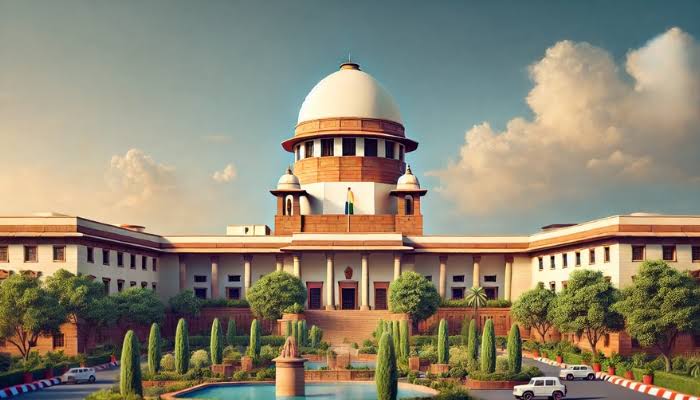
The Supreme Court’s recent sharp observations during the Punjab Dearness Allowance (DA) case have once again thrust the spotlight onto a deeply uncomfortable truth in India’s administrative landscape: the colossal accountability deficit in public service. Questioning the entrenched security of government employment, Justice BV Nagarathna remarked that government servants constitute a “privileged class” shielded by assured DA, allowances, and lifelong pensions, while asking the fundamental question: “Where is their accountability?”
A Contrast in Realities
In a developing economy where the vast majority of the workforce toils in the unorganized sector or faces the rigorous performance-driven demands of the corporate world, public sector employment has historically been viewed as an unassailable sanctuary. Job security, regular increments, and insulated retirement benefits are vital for shielding workers from economic shocks. However, when these guarantees become detached from output, they breed systemic complacency, red-tapism, and institutional sluggishness.
The bench’s suggestion that government appointments could benefit from a contractual framework to enforce responsibility touches on a nerve. While absolute contractualization across all administrative tiers may introduce its own job security dilemmas, the core principle remains undeniable: privilege must be tethered to performance.

The Hidden Cost of Complacency
Justice Nagarathna’s observation that sincere work by public servants could dramatically reduce the nation’s staggering litigation burden is particularly profound. A significant portion of litigation clogging Indian courts—ranging from service matters and pension disputes to stalled developmental clearances and delayed grievance redressals—stems directly from bureaucratic apathy, bureaucratic inaction, or arbitrary decision-making. When files gather dust and citizens are forced to approach courts to secure what is rightfully theirs, the administrative machinery ceases to be a public servant and instead becomes an obstacle. Redefining Public Service
True public service cannot merely be measured by tenure or the regularity of salary disbursements. It demands a culture of ownership, responsiveness, and empathy toward the citizen. If the administrative machinery is to keep pace with a resurgent, ambitious India, governance models must evolve. Key reforms must include:
- Rigorous Performance Metrics: Moving beyond routine appraisals to objective, output-based evaluations for career progression.
- Citizen-Centric Redressal: Holding departments and individual officers directly accountable for unwarranted administrative delays that trigger legal disputes.
- Culture Shift: Fostering an ethos where public employment is viewed as a solemn trust and a responsibility to build a progressive society, rather than a sinecure.
The Supreme Court’s remarks should not be dismissed as a passing judicial critique. They serve as a timely mirror for India’s administrative apparatus—a reminder that public privilege must be continuously earned through public service.

